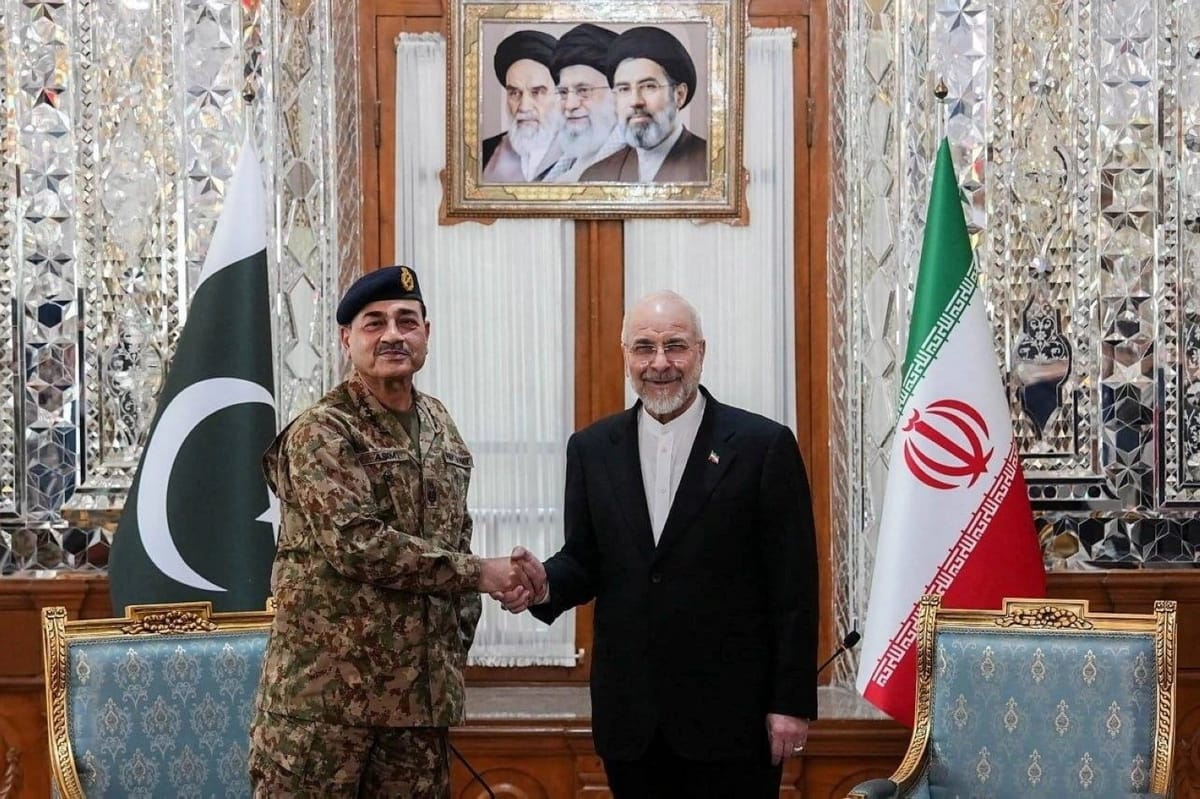
SIGNED IN JUNE, THE 14-point Islamabad MoU was intended to do more than temporarily halt fighting. It established a 60-day period during which the United States and Iran would negotiate a broader agreement addressing the conflict, sanctions, Iran's nuclear program, frozen Iranian assets, the U.S. naval blockade, and the reopening of the Strait of Hormuz. It also envisioned eventual arrangements for regional maritime security and a more permanent settlement backed by the United Nations Security Council.
The framework initially provided both governments with an exit from escalating military confrontation, but implementation quickly became disputed. By July, Reuters described the agreement as increasingly frayed, with vague language and unresolved disagreements over major issues, particularly Iran's nuclear program and obligations surrounding Hormuz.
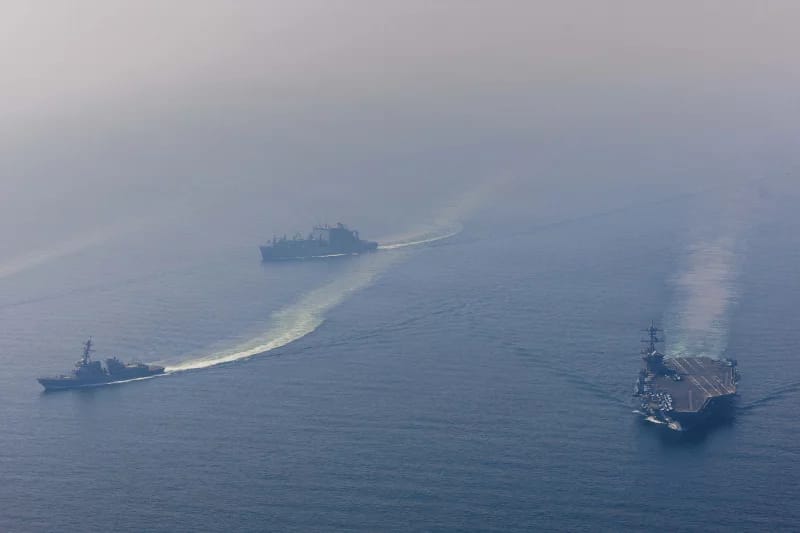
Those disagreements have since intensified. Iran again restricted traffic through Hormuz and resumed attacks against vessels it accuses of attempting to transit without authorization. Washington responded by reinforcing its naval blockade and increasing economic pressure. By August 14, ship tracking data cited by Reuters indicated that only two vessels passed through the Strait during the day, illustrating just how far conditions have deteriorated from the intended normalization envisioned under Islamabad.
At the same time, neither side appears ready to formally bury the agreement.
Reports this week offered conflicting accounts of what happens after August 17. Pakistani government sources told Anadolu that Washington and Tehran had agreed to extend the 60-day ceasefire period, although the length of an extension had not been determined. Tehran pushed back almost immediately. A senior Iranian source told Reuters that the two countries were not negotiating an extension. Instead, mediators were discussing a U.S. return to the existing interim agreement and a timeline for Washington to implement what Iran considers outstanding American commitments. According to that source, there had been “absolutely no progress.”
That distinction is important.
Iran does not appear to want the approaching deadline portrayed simply as an expiration followed by another temporary extension. Tehran increasingly appears to be arguing that the original framework remains valid but that Washington must first fulfill its side of the bargain.
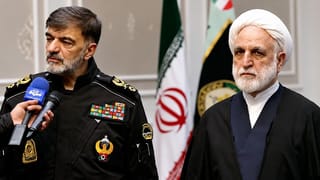
This position received additional political support Friday when Gholamreza Mesbahi-Moghaddam, a member of Iran's Assembly of Experts and Expediency Council, said the current moment represents the best opportunity for an agreement with the United States. More significantly, he argued that the previous Islamabad agreement should form the basis of further negotiations.
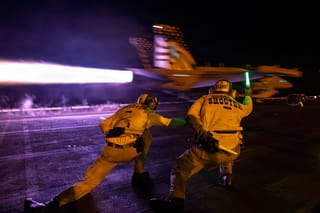
His statement comes at an unusual moment. Publicly, the confrontation is becoming more severe. Washington says it can sustain its naval blockade of Iranian ports indefinitely. Defense Secretary Pete Hegseth said the Navy can rotate forces and maintain the operation for as long as necessary, while the administration has threatened additional economic pressure. Iran, meanwhile, continues using access to Hormuz as one of its strongest sources of leverage.
Iran has also established demanding conditions for fully reopening the Strait, including sanctions relief, release of frozen assets, removal of the U.S. naval blockade and guarantees against further military action. Those demands remain difficult for Washington to accept in full.
Yet diplomacy continues underneath the confrontation. Iran and Oman have worked on a proposed navigation arrangement through Hormuz, including agreement on the coordinates of a possible shipping route. Qatar has also reported progress among mediators, while diplomatic activity has expanded beyond traditional regional intermediaries to include European actors such as Austria and Greece.
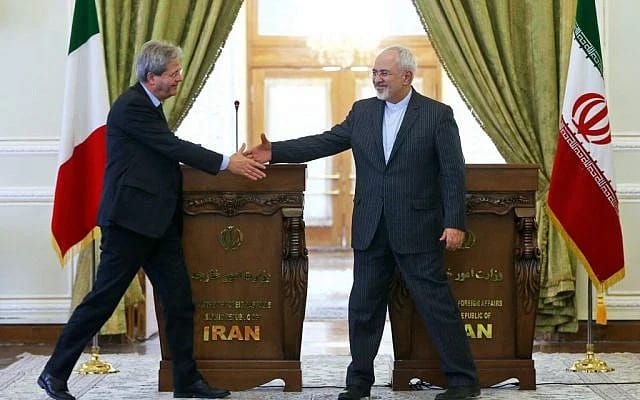
This creates a paradox as the Islamabad deadline approaches: the security situation is deteriorating while the political case for returning to negotiations may be strengthening.
The August 17 deadline therefore should not necessarily be viewed as the moment diplomacy ends. It may instead become the point at which both governments are forced to decide what version of diplomacy comes next.
Washington can argue that sustained military and economic pressure brought Tehran back toward negotiations. Iranian leaders can argue that Iran survived the confrontation, maintained leverage over Hormuz and refused to negotiate from weakness. Both narratives could allow the governments to return to substantially the same negotiating framework while presenting the outcome differently to their domestic audiences.
The alternative is considerably more dangerous.
Without an extension, renewed commitment to the Islamabad framework or a replacement agreement, fewer restrictions remain on escalation. Commercial shipping is already under pressure, the American blockade remains in place, and both sides retain military options. The MoU may have been repeatedly violated and politically weakened, but it has continued to provide a diplomatic reference point throughout the crisis.
That is why August 17 matters.
The question is no longer whether the original Islamabad agreement succeeded exactly as intended. Clearly, it did not. The more important question is whether its expiration marks the end of an unsuccessful diplomatic experiment or the deadline that finally forces Washington and Tehran to determine what they are willing to concede.
Recent Iranian statements suggest the agreement may not be dead at all. Instead, with the clock running out, both sides may be fighting over who gets to return to it on their own terms.