Communication Crisis Threatens Border Funding Strategy
Senate Republicans are demanding House GOP leadership fix communication breakdowns that have plagued the party's unified control of Congress, warning the dysfunction threatens their ability to fund border security operations for the next three years. The sharp rebuke comes as internal party polling shows border security remains the top priority for 73% of Republican voters heading into the 2026 midterms.
The frustration centers on Republicans' plan to fund Immigration and Customs Enforcement and Border Patrol through budget reconciliation — a process that requires near-perfect unity across both chambers with Democrats locked out of negotiations. The reconciliation package would allocate $18.7 billion annually for ICE operations and $5.2 billion for Border Patrol, representing a 40% increase over current funding levels.
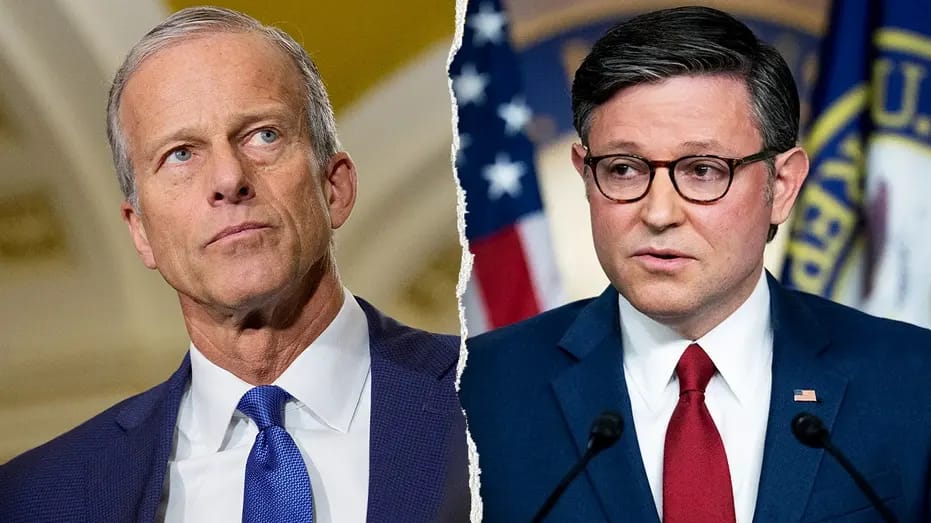
Multiple Senate GOP sources confirm leadership has grown increasingly frustrated with House Speaker Mike Johnson's failure to coordinate strategy on the border funding package. The tension reached a breaking point during closed-door meetings last Tuesday, when Senate Majority Leader John Thune, R-S.D., directly confronted Johnson about the House's go-it-alone approach.
DHS Shutdown Exposes Deep GOP Divisions
Tensions exploded during the Department of Homeland Security shutdown from December 22 through January 19, when Johnson refused to consider the Senate's compromise plan to reopen the agency. That decision extended the shutdown for nearly a month, cost taxpayers an estimated $3.2 billion in lost productivity, and forced Republicans to turn to the more complex reconciliation process.
The shutdown fight revealed fundamental disagreements over immigration strategy. Johnson's House passed a continuing resolution that included $14 billion in border wall funding and mandatory E-Verify requirements. Senate Republicans, facing pressure from business groups in their home states, preferred a cleaner funding bill that focused solely on enforcement personnel.
Sen. Katie Britt, R-Ala., who chairs the Senate Appropriations Subcommittee on Homeland Security, didn't mince words about the current state of GOP coordination during a January 23 press conference.
I think we all need to get in a room and figure out what's our plan. And how are we going to get things done for the American people? That has to be the goal, and right now something needs to change.
Thune told Fox News Sunday he has spoken "regularly" with Johnson about DHS funding and noted the White House is involved in coordination efforts. However, sources close to the Senate leadership describe those conversations as increasingly tense, with Thune expressing concern that House dysfunction could torpedo the entire border security agenda.
Mathematical Challenges Leave Little Room for Error
Both chambers face mathematical challenges that leave little room for defections. Johnson operates with a 219-216 majority, even thinner than Thune's 53-47 Senate advantage. The House margin means Johnson can afford to lose only three Republican votes on any given measure, while Thune has a cushion of two senators.
Sen. Roger Marshall, R-Kan., who serves on the Homeland Security and Governmental Affairs Committee, emphasized the House Speaker's constraints during a January 21 interview: "I mean, I think we understand the challenges that Mike has over there. He's not king. He's the speaker of the House. And their margin of error is less than ours, proportionately."
The reconciliation strategy represents a high-stakes gamble for Republicans who campaigned on securing the border. The process allows them to bypass Democratic filibusters but demands almost unanimous GOP support to succeed. Any significant defections in either chamber could derail funding for the very agencies Trump relies on to implement his immigration agenda.
Historical Context and Rising Stakes
The current GOP dysfunction echoes similar coordination failures during the party's 2017-2018 trifecta, when communication breakdowns between then-Speaker Paul Ryan and Senate leadership derailed multiple legislative priorities. That period saw the failure of Obamacare repeal efforts and a rushed tax reform process that left lasting political scars.
Senate Republicans are walking a careful line — expressing frustration with House dysfunction while avoiding direct attacks on Johnson's leadership. The measured criticism reflects both the political reality of needing House cooperation and recognition that Johnson faces unique challenges managing his narrow majority.
What Comes Next
The coming weeks will test whether Republicans can translate their campaign promises on border security into legislative action. House Budget Committee markup of the reconciliation package is scheduled for February 5, followed by Senate consideration the week of February 12. Thune has set a target of final passage by February 28, before the current DHS funding extension expires.
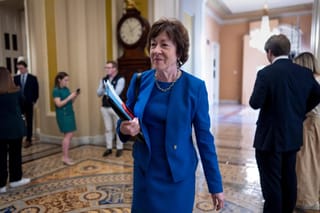
Key senators to watch include Susan Collins, R-Maine, and Lisa Murkowski, R-Alaska, both of whom have expressed concerns about using reconciliation for immigration policy. Their votes could prove decisive as GOP leadership pushes the three-year ICE funding plan through the reconciliation process.