Senate Republicans buried $1 billion in taxpayer money for President Trump's White House ballroom security inside their $72 billion immigration enforcement package released Monday night. The funding represents a sharp reversal from the GOP's previous hands-off approach to the project Trump once promised would be entirely privately funded.
The massive security allocation appears in the Senate Judiciary Committee's portion of the reconciliation bill, which allocates $31 billion for ICE, $3.5 billion for Customs and Border Protection, $2.5 billion for DHS, and nearly $1.5 billion for the Justice Department. The ballroom funding would flow directly to the Secret Service.
Security Fears Drive GOP Support
Republican attitudes shifted dramatically after the third apparent assassination attempt against Trump during last month's White House Correspondents' Association Dinner at the Washington Hilton. The incident sparked fresh concerns about presidential security at off-site events.
Senator Rand Paul of Kentucky now backs the ballroom project, discussing legislation to ensure a privately funded, secure White House venue following the shooting incident. The turnabout marks a complete departure from the GOP's earlier reluctance to embrace the controversial construction project.
Republicans won't allow our country to be dragged backwards by Democrats' radical, anti-law enforcement agenda.
The funding comes with strict guardrails. The legislation explicitly prohibits using any taxpayer dollars for "non-security elements of the East Wing Modernization Project." All $1 billion must go toward "security adjustments and upgrades," including both above-ground and below-ground security features.
Internal GOP Tensions
The ballroom funding may frustrate some Republicans who wanted the reconciliation package to prioritize affordability measures, farm aid, or spending cuts. Senate Judiciary Committee Chair Chuck Grassley of Iowa framed his committee's portion as pushing back against Democratic "open borders" policies and efforts to defund police.
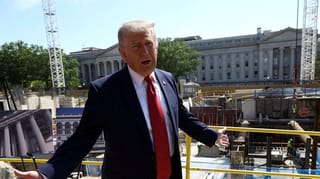
Trump first announced the ballroom project last year, sharing renderings on Truth Social in February 2026. The construction drew early criticism over demolition of the East Wing and questions about outside funding sources, despite administration claims the private financing would benefit taxpayers.
The ballroom represents just a fraction of the broader immigration package, as Insider Wire previously reported on immigration enforcement challenges. The reconciliation bill's passage will test whether Republicans can maintain unity on both border security priorities and unexpected additions like the White House construction project.
House Speaker Johnson now faces pressure to advance the Senate package while managing competing Republican priorities and the political optics of mixing immigration enforcement with presidential amenities.