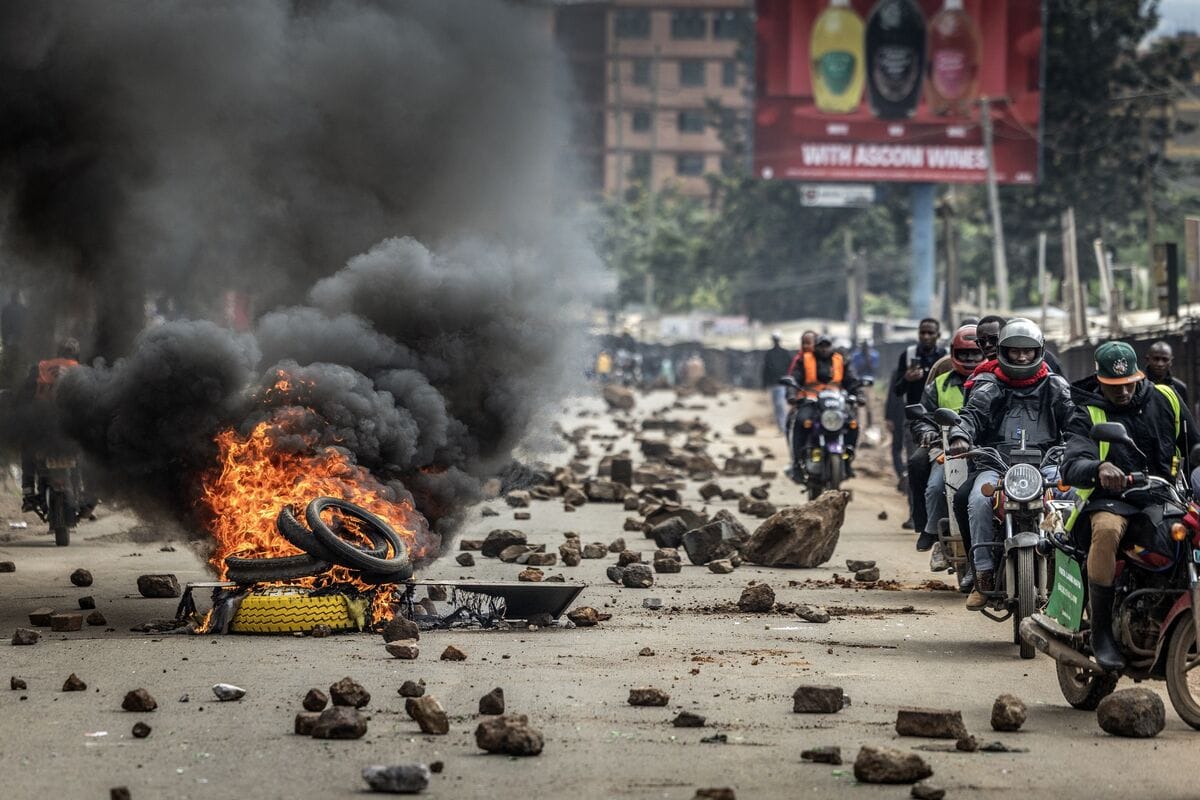
Kenya's government cut diesel prices after deadly protests erupted across the country over surging fuel costs that have hammered transport operators and ordinary households.
The price reduction comes as unrest over the rising cost of living intensifies throughout the East African nation. Protesters took to the streets in multiple cities, with clashes turning violent and resulting in fatalities as Kenyans expressed fury over fuel prices that have made basic transportation and goods unaffordable for many families.
Economic Pressure Mounts on Government
The government's decision to slash diesel prices represents a direct response to public anger over fuel costs that have created a cascade of economic pain. Transport operators have been among the hardest hit, with many forced to raise fares or reduce services as diesel prices soared beyond their operating budgets.
Higher fuel costs have also driven up prices for basic goods across Kenya, as transportation expenses get passed along to consumers already struggling with inflation. The protests reflect broader frustrations with economic conditions that have left many Kenyans unable to afford essentials.
Regional Stability Concerns
Kenya serves as a critical hub for American interests in East Africa, hosting significant U.S. military operations and serving as a key partner in counterterrorism efforts against al-Shabaab in neighboring Somalia. Economic instability in Kenya could complicate American strategic objectives in the region and potentially affect the roughly $1 billion in annual U.S. aid and investment flowing to the country.
The fuel price crisis, similar to unrest seen in Bolivia over economic conditions, demonstrates how energy costs can quickly destabilize developing nations that lack the economic buffers of wealthier countries.
The government now faces the challenge of maintaining lower fuel prices while managing its own fiscal pressures, as global energy markets remain volatile and the country grapples with debt obligations that limit its room for subsidies.