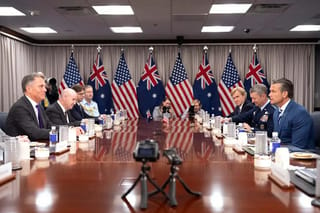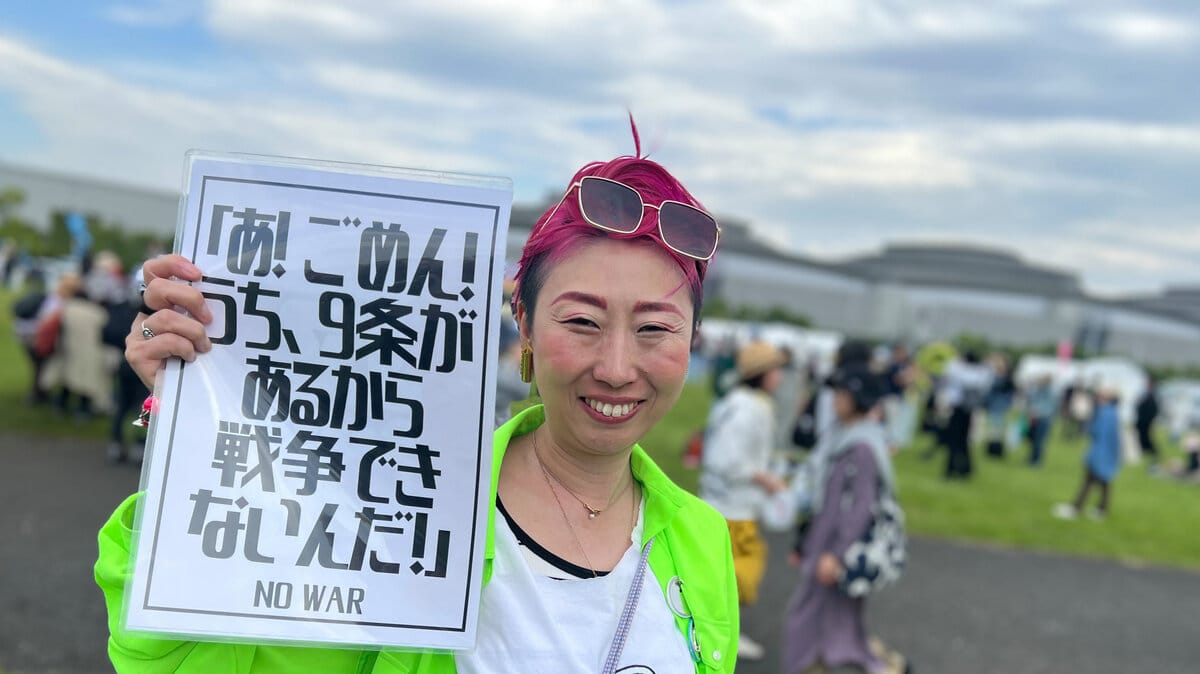
Japanese Prime Minister Sanae Takaichi called for "advanced discussions" on revising Japan's pacifist constitution during an official visit to Vietnam, even as 50,000 protesters gathered in Tokyo on Sunday to defend the document that has governed the nation since 1947.
Takaichi told reporters the constitution, written by US occupation forces after World War II, "should periodically be updated to reflect the demands of the times." The conservative leader has made constitutional reform a centerpiece of her administration since taking office last autumn, arguing that current restrictions hamper Japan's ability to counter growing threats from North Korea and China.
Article 9 in the Crosshairs
Revisionists have targeted Article 9 — the so-called "pacifist clause" — which forbids Japan from threatening or using military force to settle international disputes. While legislation passed a decade ago theoretically allows Japan to exercise collective self-defense, Takaichi wants broader military authorization.
The constitutional constraints became apparent in March when Takaichi cited Article 9 in declining President Trump's request to send Japan's maritime self-defense forces to the Strait of Hormuz, as Insider Wire previously reported on US naval operations in the region.
Any constitutional changes face steep hurdles. Revisions require a two-thirds majority in both houses of Japan's parliament and approval in a national referendum. Recent polling shows deep public divisions, with the conservative Yomiuri Shimbun finding 57% support for revision while the liberal Asahi Shimbun recorded just 47% backing reform.
Mass Rally Defends Pacifist Legacy
The Sunday demonstration in Tokyo marked Constitution Memorial Day, commemorating the document that took effect on May 3, 1947. Protesters gathered at a Tokyo park, many holding signs supporting Article 9's anti-war provisions. The turnout represented one of the largest recent displays of opposition to constitutional revision.
The timing highlights the political stakes for Takaichi's Liberal Democratic Party, which has long sought to remove constraints on Japan's military. Conservative lawmakers argue the restrictions leave Japan vulnerable as China expands its military presence and North Korea advances its missile program.
For American policymakers, Japan's constitutional debate carries strategic implications. A more militarily active Japan could strengthen alliance capabilities in the Pacific, but public resistance suggests any changes will face prolonged political battles that could limit Tokyo's regional security role.