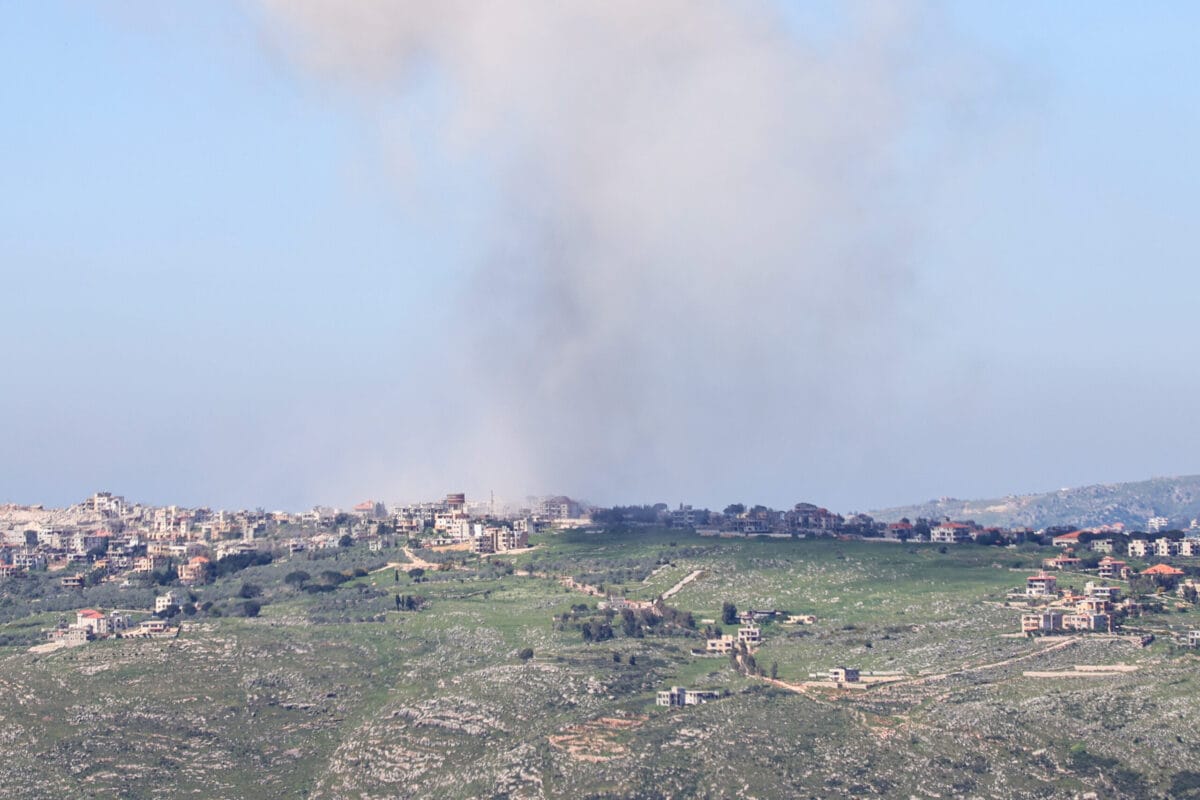
Israeli warplanes struck the Lebanese town of Deir Aames three times Friday, violating a U.S.-brokered ceasefire that President Trump extended by three weeks just one day earlier.
The consecutive airstrikes hit Deir Aames in the Tyre district of southern Lebanon, according to Lebanon's National News Agency. Israeli forces also conducted demolition operations that triggered a large explosion heard across surrounding areas. Artillery shelling targeted the outskirts of Mansouri and Bayt Siyad, while demolition activities continued in Al-Bayyada.
Israeli army spokesman Avichay Adraee had warned residents on X to "evacuate your homes immediately and move at least 1,000 meters away from the village" before the strikes occurred. The Israeli military later activated air raid sirens in northern settlements including Zarit and Kiryat Shmona after intercepting a drone approaching Israeli airspace.
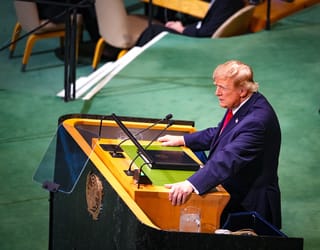
The strikes came hours after Trump announced the ceasefire extension following ambassador-level talks at the White House. The original 10-day ceasefire, which began April 16, was scheduled to expire Sunday but now runs through mid-May.
The violation highlights the fragile nature of the agreement, which has already seen breaches since its implementation. Lebanese authorities report nearly 2,500 people killed and more than one million displaced since Israel expanded attacks on Lebanon starting March 2.
For American taxpayers, the continued instability threatens the billions in military aid Washington provides to maintain regional security partnerships. The ceasefire's effectiveness directly impacts whether U.S. diplomatic efforts can prevent a wider Middle Eastern conflict that could draw in American forces.
Trump's decision to extend the agreement despite repeated violations signals his administration's commitment to preventing escalation while managing multiple regional crises. However, the pattern of strikes during supposed ceasefires raises questions about enforcement mechanisms.
Watch for whether Trump will impose consequences for ceasefire violations or adjust the terms to make compliance more binding as the three-week extension progresses.