Israel has expanded its territorial control to nearly 60 percent of the Gaza Strip despite an active ceasefire, while senior military officials press the country's political leadership to restart the war, Army Radio reported Sunday.
Israeli forces have pushed the so-called "Yellow Line" deeper into Gaza, compressing the Palestinian population into roughly 40 percent of the enclave while maintaining military positions across the remaining territory in the south, north and east. Senior military officials cited by the broadcaster argued that conditions are now optimal to defeat Hamas and complete operational plans for renewed attacks.
Military Repositioning Signals War Preparations
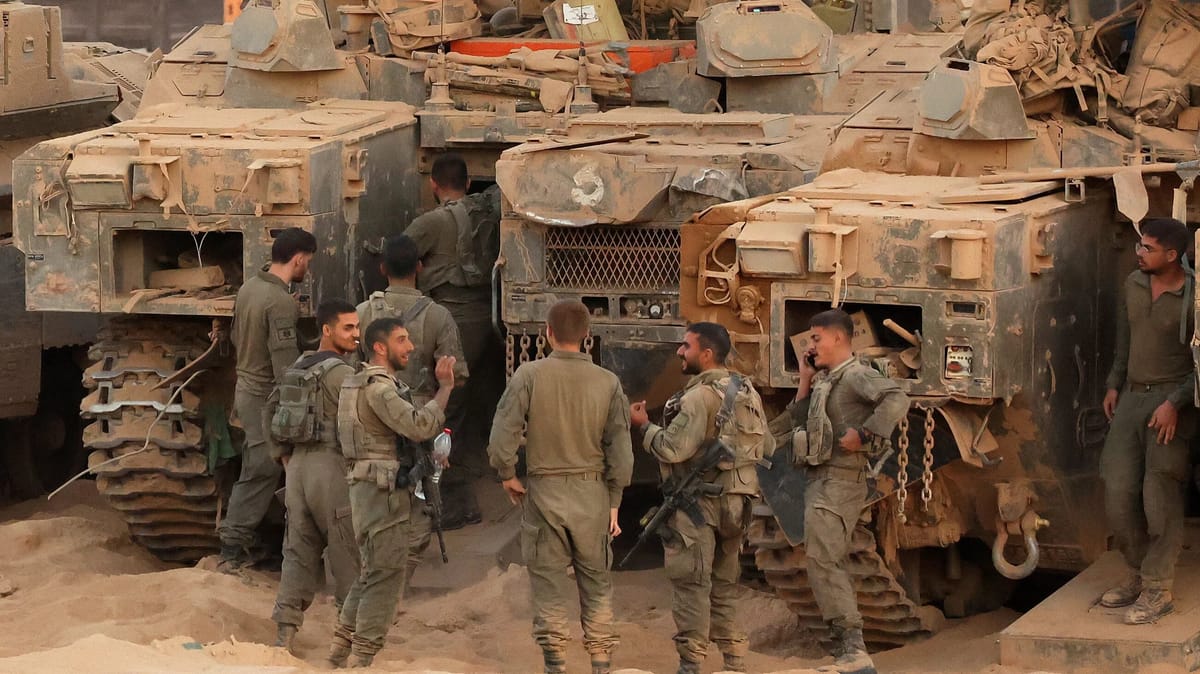
The Israeli military has simultaneously reduced its forces in southern Lebanon while redeploying brigades to Gaza and the occupied West Bank, according to the Army Radio report. This troop movement suggests preparation for expanded operations beyond the current ceasefire framework.
The repositioning comes as Army Radio documented an increase in recent attacks, though the report did not specify whether these involved Israeli strikes or Hamas operations. The military's completed operational plans for renewed fighting await final approval from Israel's political leadership.
For American taxpayers, this development raises questions about the effectiveness of $3.8 billion in annual U.S. military aid to Israel and whether current diplomatic efforts can prevent a wider regional conflict that could draw in U.S. forces. The expanding Israeli control also complicates any future peace negotiations that American diplomats might broker.
Strategic Implications for Regional Stability
The territorial expansion during a ceasefire period represents a significant shift in the military balance within Gaza. By controlling 60 percent of the territory, Israeli forces have effectively divided the enclave and limited Hamas's operational space while maintaining the option to resume full-scale operations.
This positioning gives Israel tactical advantages should fighting resume, including shorter supply lines, established forward positions, and compressed enemy territory. The strategy also puts pressure on Hamas leadership by demonstrating Israel's ability to maintain long-term territorial control.
The timing of these developments coincides with broader Middle Eastern tensions that could impact American strategic interests, including shipping lanes and regional allies. Any resumption of large-scale fighting would likely strain U.S. diplomatic relationships across the region while potentially requiring increased American military presence to prevent escalation.
The final decision on whether to restart military operations rests with Israel's political leadership, making their next moves critical for regional stability and American interests in the Middle East.
This is a developing story and will be updated.