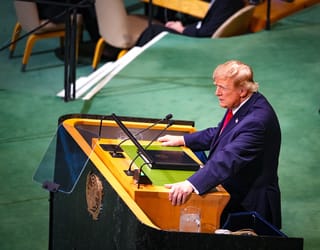
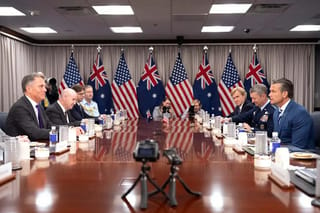
Trump's Easter Sunday threat to destroy Iranian bridges and power plants marked a dangerous escalation in modern warfare — not just because of the targets, but because civilian infrastructure became an open tool of diplomatic pressure. The April 8 ceasefire temporarily halted such threats, but the precedent was already set.
On Truth Social, Trump explicitly threatened to destroy bridges and electric power plants if Tehran refused to meet his deadline over Hormuz shipping lanes. Iran responded by targeting Persian Gulf energy and water systems for retaliation if its own civilian networks were hit. By the time negotiators reached their temporary truce, both sides had crossed a line that military strategists warn could reshape conflict worldwide.
The shift represents more than tactical escalation. Wars have always damaged civilian infrastructure as collateral damage. What changed here was the deliberate, public use of those systems as leverage before any attacks occurred. Electricity grids, water treatment facilities, and transportation networks became bargaining chips rather than unfortunate casualties.
That matters because these systems sustain daily life in ways military targets do not. Persian Gulf desalination plants provide water for tens of millions of people in a region where natural freshwater sources remain scarce. Power stations keep hospitals running, preserve food and medicine, and drive the pumps that move water through major cities. Bridges serve as escape routes during emergencies and supply corridors for humanitarian aid.
The diplomatic weaponization of such infrastructure creates what defense analysts call a "civilian survival doctrine" — where basic services become instruments of state coercion. Unlike traditional military targets, attacking civilian lifelines affects entire populations regardless of their political positions or involvement in the conflict.
Tehran's counter-threats against Gulf energy infrastructure showed how quickly this logic spreads. Both sides moved beyond military-to-military confrontation toward a model where civilian hardship becomes the primary source of negotiating pressure. Oil facilities, water systems, and power grids across the region were suddenly on the diplomatic table.
The temporary ceasefire paused these threats but did not resolve the underlying strategic shift. American taxpayers now fund military operations where civilian infrastructure serves as both target and shield. U.S. naval assets remain deployed in the Persian Gulf partly to protect the same types of facilities that Trump threatened to destroy in Iran.
Regional allies expressed private concerns about the precedent, according to diplomatic sources. If civilian infrastructure becomes fair game in U.S.-Iran confrontations, other adversaries may adopt similar tactics against American interests worldwide. Critical systems from power grids to water treatment plants could become standard targets in future conflicts.
The ceasefire's fragile nature means these questions remain unresolved. Republican pressure to resume military action continues building as the two-week pause nears its end. Whether future negotiations abandon civilian infrastructure as a pressure tool — or normalize its use — will determine how modern conflicts unfold and what protection ordinary citizens can expect when diplomacy fails.