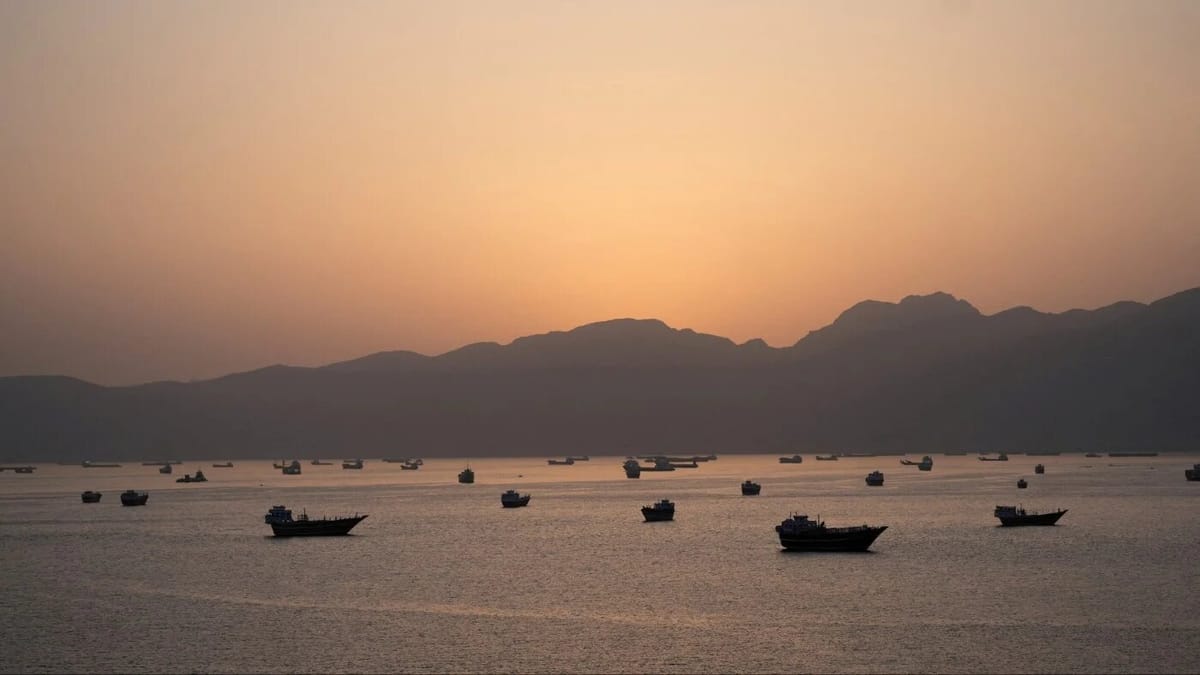
Iran's military command threatened Monday to attack any US warships that enter the Strait of Hormuz, escalating tensions as President Trump prepares to launch "Project Freedom" to escort trapped commercial vessels through the critical waterway.
Ali Abdollahi, who heads Iran's unified military command, delivered the warning through Reuters on Monday morning. His statement targeted Washington's plan to use naval protection for ships barred from leaving the strait by Tehran's forces.
We warn that any foreign armed forces, especially the aggressive US army, will be attacked if they intend to approach and enter the strait of Hormuz.
The threat comes as Trump announced his humanitarian mission Sunday to retrieve vessels trapped in the waterway. The president warned Iran that any interference would trigger a military response. Trump has maintained his own blockade of Iranian ports while avoiding sending US ships into the strait due to attack risks.
Energy Crisis Deepens
The strait's closure has created the largest oil supply disruption in history. More than 10 million barrels per day and 20 percent of global liquefied natural gas supplies have been cut off, according to the International Energy Agency. The Strait of Hormuz normally carries about one-fifth of the world's crude oil and gas flows.
The waterway sits between Iran and Oman, giving Tehran strategic control over global energy markets. Iranian forces have prevented commercial ships from transiting the area, trapping vessels and crews while oil prices surge worldwide.
Diplomacy Stalls Despite Ceasefire
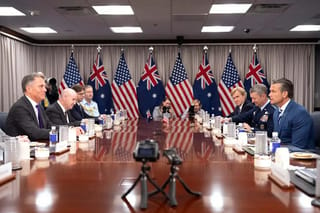
The military escalation unfolds as US and Iranian diplomats work through Pakistani mediators to end the broader conflict. A ceasefire took effect April 8, but Iranian officials question Washington's commitment to peace.
Iran delivered a new proposal through Pakistan aimed at converting the current ceasefire into a permanent end to hostilities within 30 days. The three-phase plan centers on regional non-aggression commitments, including from Israel, according to Al Jazeera reporting.
Iranian Foreign Ministry spokesperson Esmail Baghaei blamed the US Monday for slow diplomatic progress, calling American negotiation demands "excessive." Iranian academic Mohammad Maraandi, seen as close to government officials, expects fighting to resume and accuses Washington of using diplomacy as cover for military preparations.
The standoff puts American energy security and naval forces at risk while Iranian leaders face domestic pressure over their economy's collapse. Trump's decision to proceed with Project Freedom despite direct Iranian threats will test both sides' resolve and could determine whether the April ceasefire holds or gives way to wider conflict in the Persian Gulf.