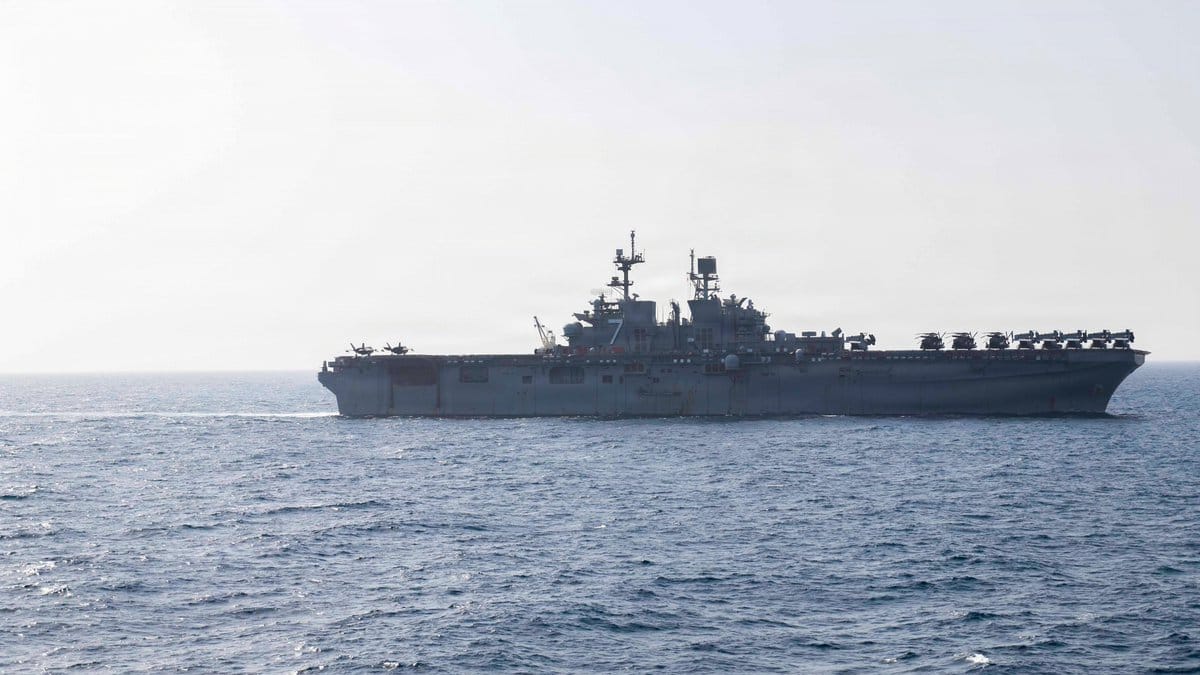
The United States military intercepted four Iranian one-way attack drones headed toward the Strait of Hormuz on Saturday, June 6, U.S. Central Command (CENTCOM) confirmed. To prevent additional strikes, American forces also hit multiple surveillance and radar sites in Goruk and on Qeshm Island in southern Iran.
In response, Iran launched missile and drone attacks on Kuwait and Bahrain. This is the second attack Iran has conducted against its Gulf neighbors this week. Kuwait International airport was struck on June 3, inflicting significant damage and killing at least one person.
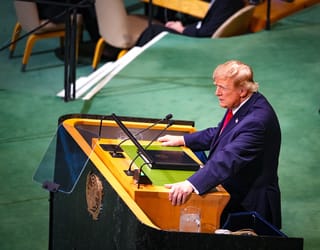
The strikes are the latest in what U.S. military officials say are defensive actions as ongoing but fragile negotiations with Iran continue. The primary focus of the talks, according to President Trump and Secretary of War Pete Hegseth, is extending the temporary ceasefire, reopening the Strait of Hormuz, addressing Iran’s nuclear program, possible release of frozen Iranian assets, and lifting sanctions in phases.
President Trump has publicly stated that a “very good deal” is close “largely negotiated,” and that Iran “really wants” one. A major point of contention is the inclusion of Lebanon as part of the agreement, a move that caused tension between Israeli Prime Minister Benjamin Netanyahu and President Trump. Israeli forces continue to operate in southern Lebanon targeting Hezbollah; however, at the request of President Trump, the IDF has not recently struck targets in Beirut.
Whether all sides can narrow their differences through diplomacy or further conflict will affect not only stability in the Middle East but also global energy security.