For months, the conflict between the United States and Iran has been measured in missile launches, airstrikes, damaged ships and military deployments. But another front is becoming increasingly important, one where no explosions are heard and no aircraft appear on radar.
It is the international financial system.
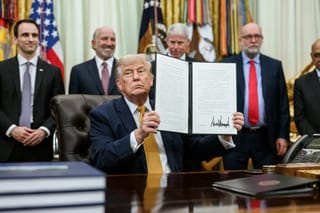
The U.S. Treasury Department has intensified its campaign against the shadow banking networks Iran uses to move money around international sanctions. Treasury Secretary Scott Bessent said Friday that Iran's shadow banking system is “buckling” under the administration's Economic Fury campaign and that Tehran is running out of ways to move money.
The statement is aggressive, but the strategy behind it is more consequential than the rhetoric suggests.
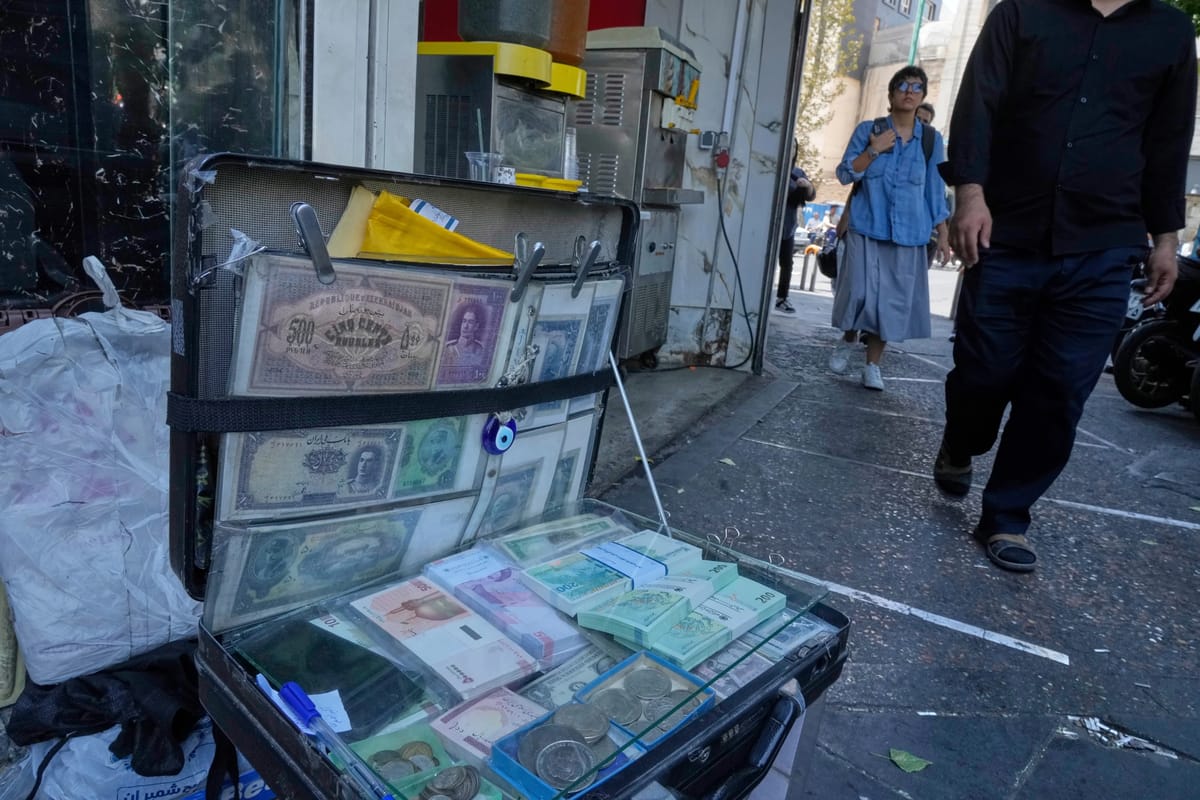
Iran's problem is not simply whether it possesses money. Tehran continues to generate revenue through oil exports and other trade. The difficulty is converting those earnings into usable currency, transferring funds internationally and purchasing what it needs without transactions passing through institutions vulnerable to U.S. sanctions.
For years, Iran has relied on exchange houses, front companies, offshore intermediaries, shadow shipping networks and increasingly cryptocurrency to bypass those restrictions. Treasury is now targeting those systems individually.
In April, the United States sanctioned 35 people and entities accused of participating in Iran's shadow banking sector. Treasury said its objective was to sever the financial networks Iran relies upon to generate, move and repatriate funds.
The campaign has since expanded into oil transportation, weapons procurement and cryptocurrency. Treasury says its actions have frozen nearly half a billion dollars in cryptocurrency linked to the Iranian government while also targeting vessels and companies supporting Iran's oil industry
On Friday, Washington sanctioned Dubai-based cryptocurrency exchange Shelbit, alleging it facilitated millions of dollars in transactions for Iran's Islamic Revolutionary Guard Corps and other Iranian-linked entities. The action followed a Reuters investigation into an alleged $4 billion sanctions-evasion network involving Iran's central bank and IRGC-linked actors. Shelbit has denied knowingly participating in illicit activity.
This creates an unusual situation for Tehran.
A government can have billions of dollars available on paper and still struggle to use them.
Every intermediary introduces another vulnerability. A foreign bank, exchange house or company helping Iran move money must consider whether the transaction is worth potentially losing access to the U.S. financial system.
That pressure becomes more important the longer the war continues.
Sanctions will not make Iran's existing missile inventory disappear overnight. Nor will they immediately prevent Tehran from funding military operations. But prolonged restrictions can make replacing equipment, acquiring specialized components, supporting regional partners and financing government operations increasingly expensive.
An airstrike destroys something immediately.
Financial pressure attempts to make rebuilding it tomorrow progressively harder.
Iran Has an Economic Weapon of Its Own
Tehran, however, is not simply absorbing American pressure.
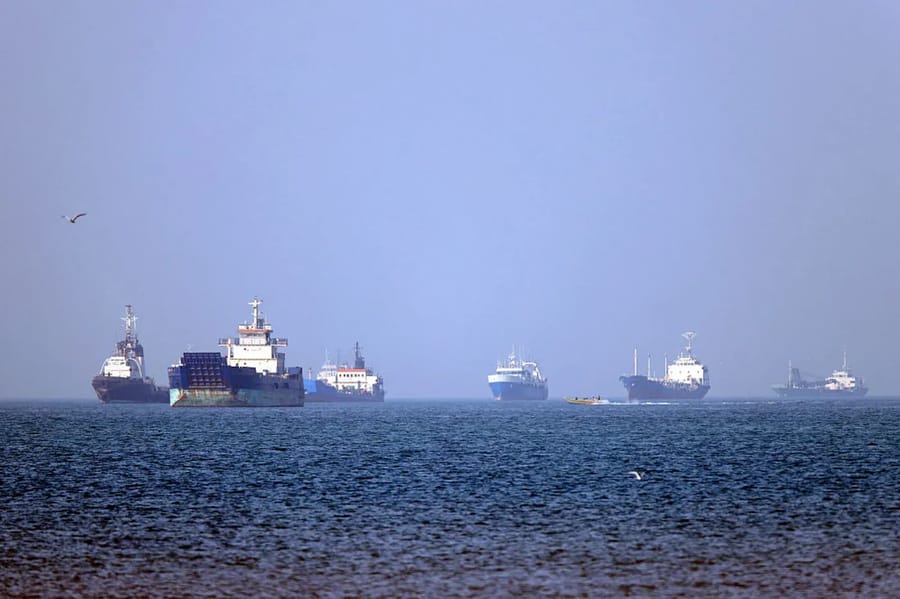
Iran has turned the Strait of Hormuz into its most valuable economic bargaining chip.
The disruption of shipping through the waterway has affected global energy markets and given Iran leverage far beyond what its conventional military forces could achieve alone. Tehran knows that prolonged disruption imposes costs not only on the United States, but on oil producers, shipping companies and economies around the world.
In effect, both sides are now attempting to economically squeeze the other.
Washington is trying to restrict Iran's ability to move money.
Iran is restricting the world's ability to move energy.
That helps explain why negotiations involving Iran and Oman have become so important.
Iran said Saturday that an agreement with Oman concerning navigation through Hormuz was close, but warned that such an arrangement alone would not reopen the waterway. The Revolutionary Guard said reopening the strait depends instead on Washington satisfying Iranian conditions, which include sanctions relief and an end to what Tehran describes as U.S. aggression.
The negotiations are already encountering significant practical problems.
A proposal that could give Iran a greater role in managing shipping through Hormuz has faced resistance from the maritime industry. Shipping sources told Reuters that proposed transit fees could expose companies to U.S. sanctions and potentially invalidate insurance coverage, making portions of the plan difficult to implement even if governments agree politically.
That is why announcements that a deal is “close” should be treated cautiously.
A previous June memorandum envisioned reopening Hormuz and beginning to lift the U.S. blockade of Iranian ports while negotiations continued over larger disputes such as sanctions and Iran's nuclear program.
The final test will not be another press conference.
It will be ships moving through the strait.
What Comes Next
The most realistic outcome may not be a decisive military victory for either side.
Instead, both governments appear to be building leverage for a limited agreement.
Iran could permit safer commercial traffic through Hormuz and reduce attacks on shipping and U.S. interests. Washington could respond by easing parts of its blockade or offering narrowly targeted economic relief. The most contentious issues, including Iran's nuclear program, missile capabilities and broader sanctions, could then be pushed into longer negotiations.
Iranian officials were already considering such a strategy earlier this summer. Reuters reported in June that Tehran saw a limited agreement as a possible way to obtain financial relief, stabilize its deteriorating economy and buy time without conceding its most important strategic positions.
There remains another possibility: both sides may believe time favors them.
Iran appears convinced that control over Hormuz can eventually force Washington into greater concessions, even though prolonged confrontation carries substantial economic and domestic risks for Tehran.
Washington, meanwhile, can continue applying financial pressure without continuously expanding military operations.
That may be the most important significance of Treasury's campaign.
Economic warfare provides the United States with an option between escalation and concession.
My Prediction
The recent financial offensive does not suggest that Iran is about to collapse, nor does it mean the war is ending.
Both countries appear to be trying to improve their negotiating positions before accepting some form of temporary settlement.
Washington is tightening Iran's financial access while Tehran maintains pressure through Hormuz. Each side wants the other to feel that continuing the conflict will eventually cost more than compromise.
That can create conditions for diplomacy. It can also be extremely dangerous.
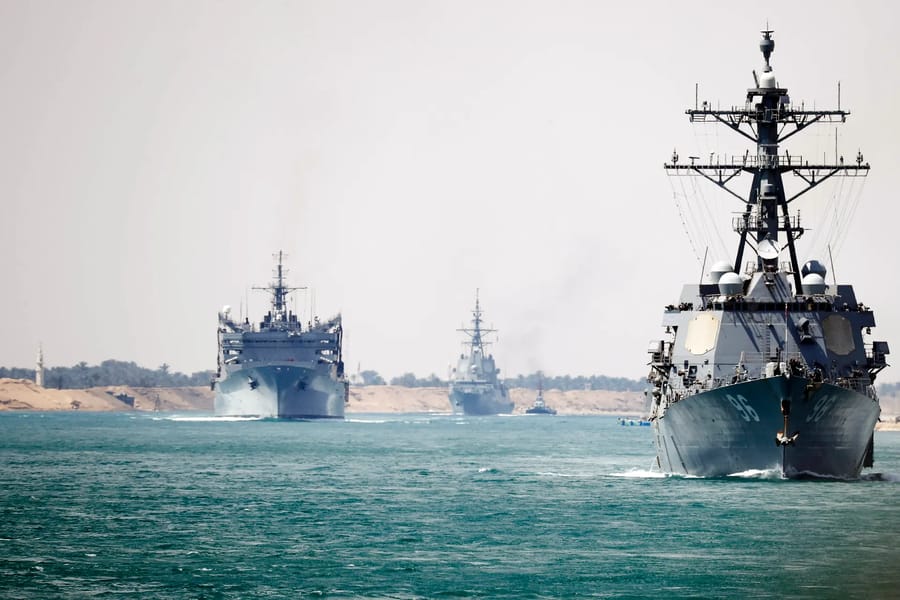
As negotiations continue, U.S. forces remain deployed throughout the region, commercial vessels remain exposed, and military operations have not completely stopped. The UAE accused Iran Saturday of another missile attack against an ADNOC-linked vessel in the Strait of Hormuz, illustrating how easily one incident can threaten diplomatic progress.
One major attack, one ship sunk with significant casualties, or one strike killing a large number of American personnel could rapidly change the calculation on both sides.
For now, the conflict appears to be moving toward a contest of economic endurance.
Iran still has money. Washington's strategy is to make that money increasingly difficult to use. Tehran's answer is to make the world's most important energy corridor increasingly difficult to use in return.
Whoever feels the pressure first may determine what the eventual agreement looks like.