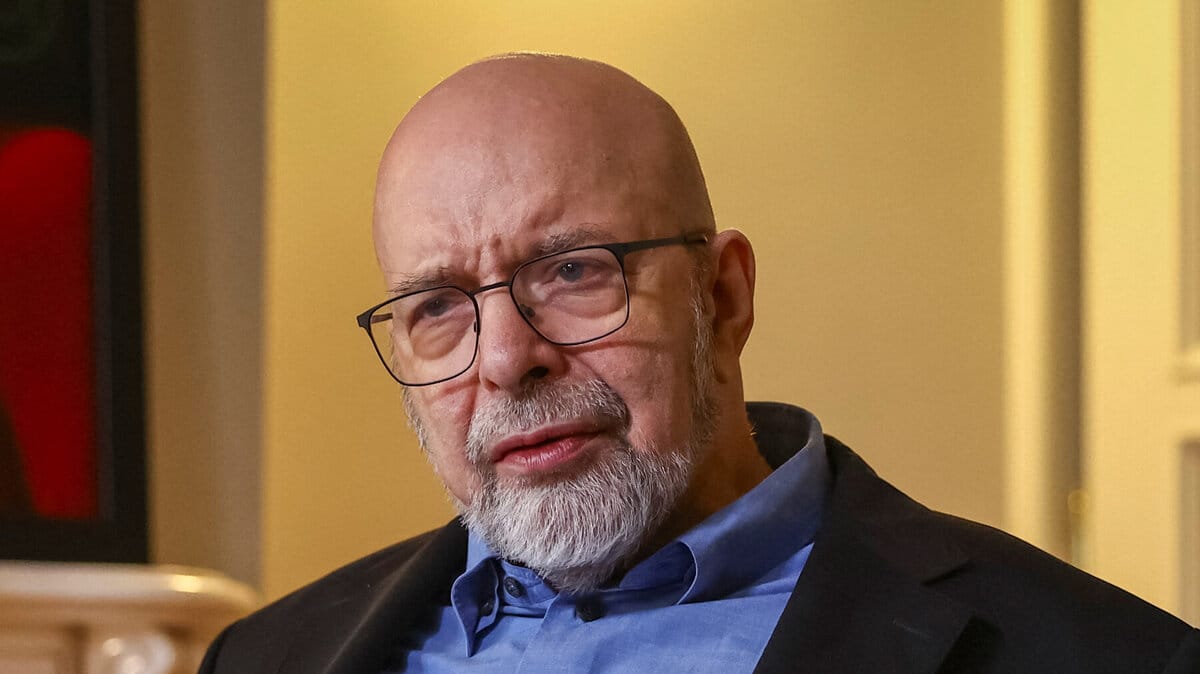
Dimitri Simes, a former Trump campaign adviser charged by the Biden Justice Department for his work with Russian television, is mounting a constitutional challenge against federal prosecutors who labeled him a Russian propagandist.
The Biden administration brought charges against Simes for his role as a commentator on Russian state media, alleging he violated sanctions and acted as an unregistered foreign agent. Simes worked as a foreign policy adviser to Trump's 2016 presidential campaign and later became a regular commentator on Russian television networks.
First Amendment Defense
Simes argues the federal charges against him represent a dangerous overreach that violates his First Amendment rights to free speech. His legal team contends that prosecuting an American citizen for commentary work, even on foreign media outlets, crosses constitutional boundaries and sets a troubling precedent for government censorship.
The case highlights growing tensions over how the federal government defines propaganda versus legitimate journalism and commentary. Trump-era officials have increasingly found themselves targets of Biden-era prosecutions, raising questions about whether justice is being weaponized for political purposes.
Simes previously served as president of the Center for the National Interest, a Washington think tank, before taking on his advisory role with the Trump campaign. His connections to Russian media figures and government officials made him a person of interest during multiple investigations into Russian interference in American politics.
Broader Implications
The prosecution of Simes reflects the Biden administration's aggressive approach toward Americans who work with Russian media outlets following Moscow's invasion of Ukraine. Federal authorities have expanded their interpretation of existing sanctions and foreign agent registration laws to target commentators and analysts who previously operated in legal gray areas.
Constitutional law experts warn that prosecuting Americans for their speech, regardless of the platform, could chill legitimate journalism and academic exchange. The case tests whether the government can criminalize commentary work based solely on the nationality and government connections of the media outlet involved.
The charges against Simes come as the Justice Department faces criticism for what Republicans characterize as selective enforcement of foreign agent registration requirements. Conservative commentators argue that similar scrutiny has not been applied to Americans working for Chinese or other foreign media organizations.
The legal challenge will likely focus on whether Simes' television appearances constitute protected speech or criminal activity under federal law. His defense team is expected to argue that criminalizing commentary work violates core constitutional principles and represents government overreach into press freedom.