Five Republican state senators broke with President Trump on Tuesday, joining all Democrats to block a congressional redistricting proposal in South Carolina that Trump personally demanded lawmakers pass. The 29-17 vote in the Columbia statehouse fell two votes short of the two-thirds majority needed, dealing Trump a rare legislative defeat in a state where he won 55.1% of the vote in 2020.
Trump had pressured legislators on social media Monday evening, writing he would be "watching closely" and demanding they "GET IT DONE!" The president's intervention came after the Republican-controlled House passed the redistricting plan 78-39 on January 28, setting up what many expected would be routine Senate approval.
Massey Leads Republican Resistance
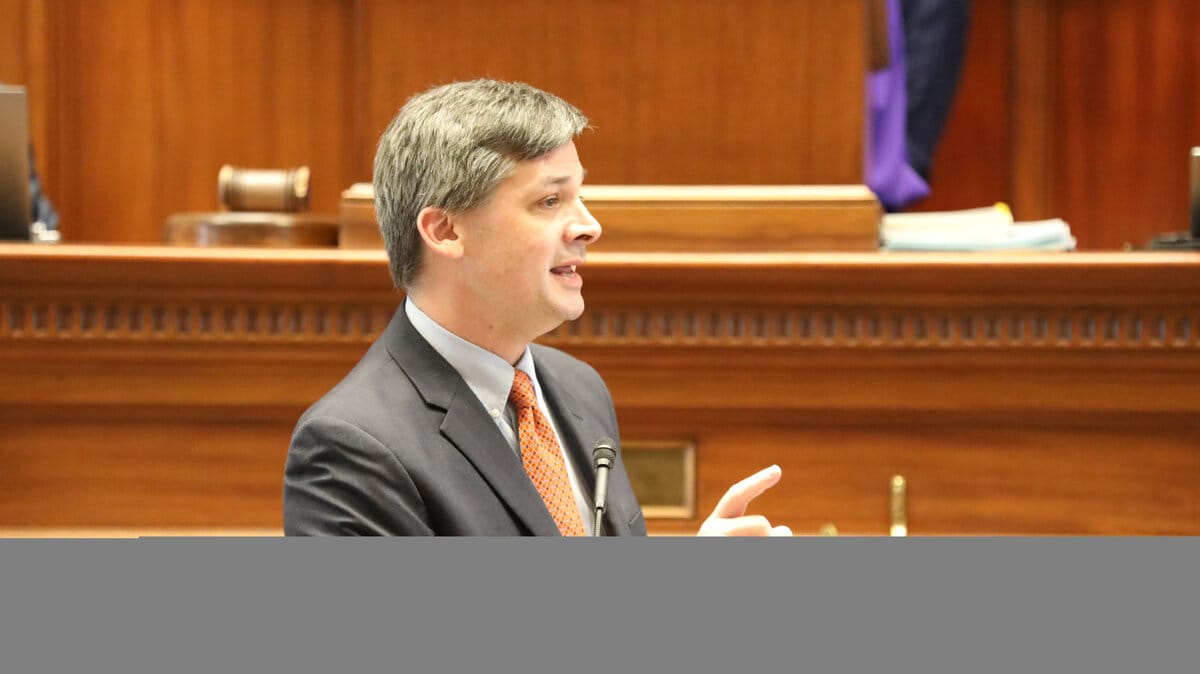
Shane Massey, the Republican majority leader in South Carolina's senate, delivered a pointed rebuke to Trump's pressure campaign during floor debate Tuesday morning. The Edgefield County senator, who has served in the legislature since 2007, cast the deciding vote against his own party's redistricting effort.
Too many people in power want to do whatever it takes to stay in power … I believe the legitimate use of power in this case is to make people safer. I don't seek power to punish. I seek it to uplift.
Massey acknowledged he would likely face "intense criticism" from Trump and his allies for defying the president's redistricting push. The four other Republican defectors included Senators Tom Davis of Beaufort, Katrina Shealy of Lexington, Sandy Senn of Charleston, and Chip Campsen of Isle of Palms. All 12 Democratic senators voted against the measure.
The proposed map would have redrawn South Carolina's seven congressional districts to create a new 6th District that stretched from Charleston to Columbia, while consolidating the current 1st District along the coast. Republican mapmakers argued the changes reflected population shifts documented in the 2020 Census, but Democrats called it a "brazen gerrymander" designed to dilute minority voting power in Charleston County.
Historical Context and Stakes
The vote came as Republican-controlled states nationwide scramble to redraw congressional maps following the Supreme Court's 2019 decision in Rucho v. Common Cause, which declared partisan gerrymandering claims non-justiciable in federal court. The ruling effectively removed federal oversight from redistricting disputes that don't involve racial discrimination.
South Carolina completed its last redistricting cycle in 2011 after a protracted legal battle that lasted until 2013. The current map has produced a 6-1 Republican delegation, with Democrat James Clyburn representing the majority-Black 6th District. The failed redistricting plan would have maintained that partisan balance while reshaping district boundaries to account for the state's 10.7% population growth over the past decade.
The redistricting defeat adds to Trump's challenges as he faces pushback from within his own party on multiple fronts. Unlike other GOP-controlled legislatures in Texas, Florida, and Georgia that moved quickly to implement new congressional maps favorable to Republicans, South Carolina's senators chose to resist what one lawmaker called the "playbook of other Republican-controlled states."
What Happens Next
For South Carolina voters, the failed redistricting means current congressional boundaries will remain in place for the 2022 midterm elections. The state's delegation includes the competitive 1st District, where Republican Nancy Mace narrowly defeated Democrat Joe Cunningham in 2020, making it a key battleground for party control of the House.
House Speaker Murrell Smith has indicated Republicans may attempt to revive redistricting efforts before the legislative session ends in May, but would need to find a compromise that can attract additional Senate support. The next scheduled floor session is February 15, giving both parties three weeks to regroup.
The question now is whether Trump will escalate pressure on South Carolina Republicans through primary challenges or shift focus to redistricting battles in other states where he faces less resistance from GOP legislators. Massey faces reelection in 2024, making him a potential target for Trump-backed challengers.