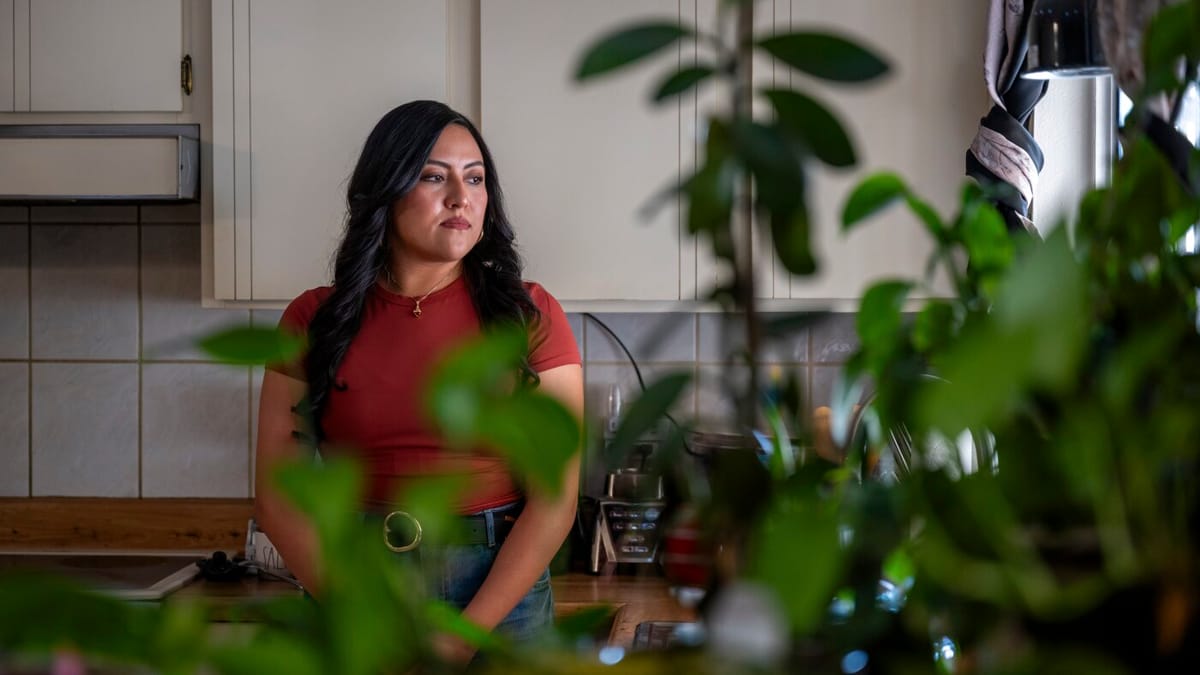
Diana A., a 10-year DACA recipient from Phoenix, woke up one morning to discover she could no longer legally work in America. For the first time in a decade, her renewal had lapsed — leaving the 34-year-old Mexican immigrant unable to travel to a friend's wedding and fearing deportation after living in the U.S. for 24 years.
The Obama-era Deferred Action for Childhood Arrivals program, launched in 2012 as a "temporary" fix, now protects immigrants who average 31 years old — far from the children the program was designed to help. Most DACA recipients today fall between ages 31 and 44, hold advanced degrees, own businesses, and have American citizen children, according to U.S. Citizenship and Immigration Services data.
Program Becomes Less Reliable Under Trump
The Trump administration has moved to weaken DACA's protections and benefits during this second term, though it hasn't attempted to fully repeal the program as it did during Trump's first presidency. The changes have left recipients like Diana facing unprecedented uncertainty about their legal status.
It was a very stressful time in my life and it was just, here's hoping today's not the day where I get taken. For the first time I had a mental plan of who to call if I got detained.
Blanca Sierra-Reyes, a 33-year-old DACA recipient and mother of two teenagers, says the program's beneficiaries have outgrown their original classification. The promise of temporary protection while Congress negotiated permanent solutions never materialized.
"We're not kids anymore. We are adults. We are professionals. We are parents. A lot of us are leaders in the community," Sierra-Reyes told NPR. "We're no longer a part of that group that they had placed us in. We have achieved all the things that we've wanted to, or we've tried, or we're still on that path — but it's a hard one."
Economic and Personal Stakes Rise
DACA recipients must renew their status every two years, submitting applications and work permits that keep them legally employed and protected from deportation. The program has allowed recipients like Diana to build careers and financial stability — achievements now threatened by the program's increasing unreliability.
Diana described living with "a cage around" her American dream, having built the independent life she envisioned while remaining vulnerable to having it stripped away. The fear extends beyond personal consequences — many recipients now have American families and businesses that would suffer from their removal.
The Justice Department has made it easier to deport those with DACA status under current policies, adding pressure to a population that has spent over a decade building American lives under temporary protection.
Congress continues to deadlock on permanent immigration reform, leaving hundreds of thousands of DACA recipients in legal limbo as they enter their prime working years. The next renewal cycle will test whether the Trump administration's policy changes create more gaps in protection for recipients who have aged far beyond the "Dreamers" they once were.