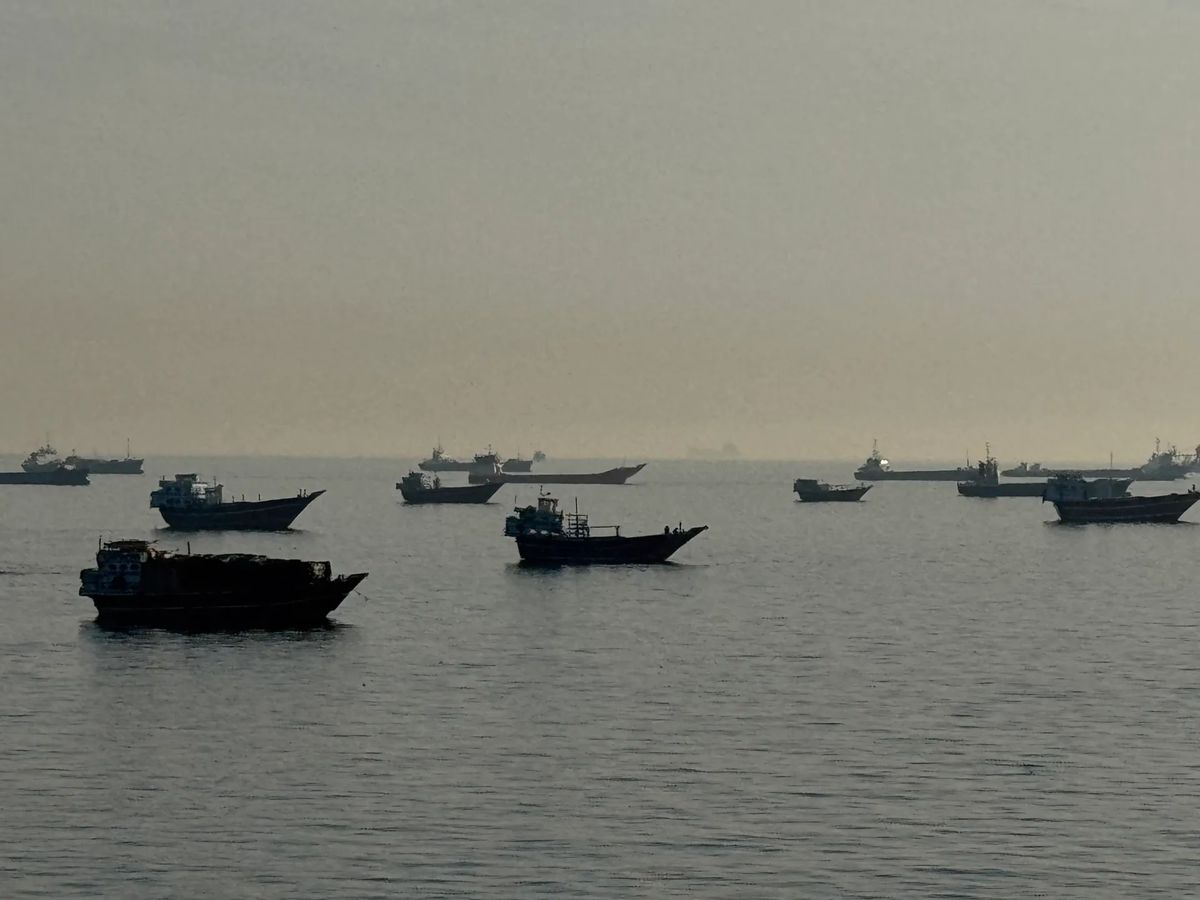
Two Chinese supertankers carrying 4 million barrels of crude oil navigated out of the Strait of Hormuz on Wednesday as President Trump and Vice President JD Vance signaled major progress in negotiations to end the US-Iran conflict.
The Yuan Gui Yang and Ocean Lily — flagged under China and Hong Kong respectively — successfully exited the strategic waterway amid the most optimistic White House comments since the crisis began. South Korea confirmed one of its crude vessels also passed through the strait Wednesday.
White House Signals Deal Within Days
Trump told lawmakers the Iran conflict will end "very quickly" and "hopefully in a very nice manner," marking his most confident assessment yet. The president had previously given Iran "two to three days" to reach a deal while threatening military action.
There's a lot of back-and-forth, a lot of good progress is being made, but we're just going to keep on working at it.
Vance described Tehran-Washington negotiations as being "in a pretty good spot" during his White House briefing, the clearest indication yet that a breakthrough may be imminent.
The tanker movements provide concrete evidence that tensions may be easing. Yuan Gui Yang loaded 2 million barrels of Iraqi Basrah crude on February 27 — one day before the US-Israel war on Iran started. Ocean Lily carried 1 million barrels each of Qatari al-Shaheen and Iraqi Basrah crude loaded between late February and early March.
Oil Markets React, But Experts Warn of Lasting Impact
Brent crude fell to $110.16 per barrel following the White House's optimistic comments, but energy analysts warn Americans shouldn't expect immediate relief at the pump. The US naval blockade of the strait has sent oil prices to their highest levels since June 2022.
Emril Jamil, senior oil research analyst at LSEG, told Reuters that "supply will likely not return to pre-war levels immediately" even if Washington and Tehran reach an agreement. The economic damage extends far beyond energy markets.
The United Nations slashed global growth forecasts to 2.5 percent this year — down from 3 percent last year — citing higher energy costs and disrupted trade. The UN warned that low-income families in developing countries face the heaviest burden as food and energy costs outpace wages.
Trump faces mounting pressure from GOP lawmakers seeking to limit his military options while oil-dependent economies worldwide watch for signs the Hormuz chokepoint will fully reopen. The successful passage of these tankers suggests the administration's tough negotiating stance may be forcing Tehran toward a face-saving exit.