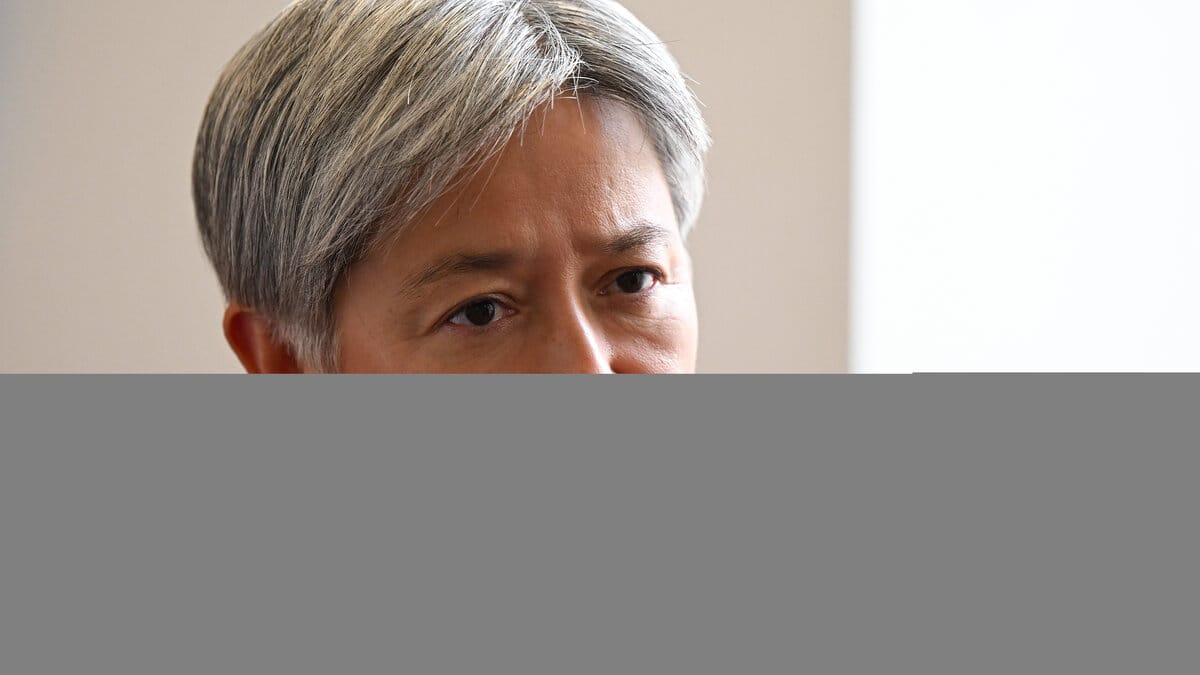
Australia's Foreign Minister Penny Wong led six other nations Thursday in demanding Lebanon be included in the Middle East ceasefire, warning that continued fighting there could collapse the entire regional truce.
The urgent joint statement came hours after Israel launched its largest attack on Lebanon since the Hezbollah war began, killing at least 254 people and wounding 837. The assault prompted Iranian officials to threaten withdrawal from the two-week ceasefire Tehran agreed with Washington this week.
"If fighting continued in Lebanon, it risks the whole ceasefire across the region," Wong told ABC's RN Breakfast Thursday. The statement, signed by Brazil, Colombia, Indonesia, Jordan, Sierra Leone and the UK, condemned "in the strongest terms actions that have killed UN peacekeepers and significantly increased the risks faced by humanitarian personnel in southern Lebanon."
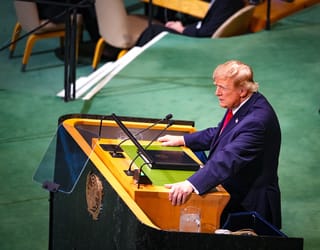
The diplomatic push exposes a critical gap in the ceasefire framework. Israel's prime minister's office said the two-week deal explicitly excludes Lebanon, contradicting statements from mediator Pakistan. Trump, after initial silence, called Lebanon "a separate skirmish" not covered by the agreement.
Wong's intervention carries particular weight given Australia's role as a middle power with ties to both sides. She framed the Lebanon inclusion as essential for ceasefire durability, telling ABC: "We want the ceasefire to hold. We know it's fragile. We know what it means for the world, and we know what it means for Australians at the petrol bowser."
The timing underscores how quickly the regional situation deteriorated. Wong had previously demanded Lebanon's inclusion in ceasefire talks, but Thursday's massive Israeli assault forced immediate multilateral action.
The seven-nation statement specifically targeted attacks on humanitarian workers, declaring that "attacks that threaten the safety and security of humanitarian personnel must stop" and demanding all parties uphold international humanitarian law. The language reflects growing international alarm over civilian casualties and aid worker deaths in southern Lebanon.
Wong told ABC she hadn't spoken directly with her Israeli counterpart in "the last 12 hours" but had made Australia's position clear publicly. She noted that "we've been joined overnight by the G7 and other countries saying the same thing," suggesting broader international momentum behind Lebanon's inclusion.
The diplomatic pressure comes as the broader ceasefire remains fragile. Iran's threat to withdraw over Lebanon fighting highlights how the exclusion could unravel the entire agreement, potentially sending oil prices soaring again and destabilizing markets that had rallied on ceasefire news.
Australia's leadership on the issue positions Wong as a key voice in Middle East diplomacy, building on Canberra's reputation for pragmatic multilateral engagement. The seven-nation coalition represents a significant diplomatic bloc spanning multiple continents and strategic relationships.
The next 24 hours will test whether international pressure can force Lebanon's inclusion in ceasefire negotiations, or whether the fighting will continue to threaten the broader regional truce Wong warned could collapse entirely.