Queensland rejected key recommendations from Australia's Bondi royal commission Thursday, dealing a fatal blow to Prime Minister Anthony Albanese's national gun buyback scheme that would have been the country's largest since Port Arthur in 1996.
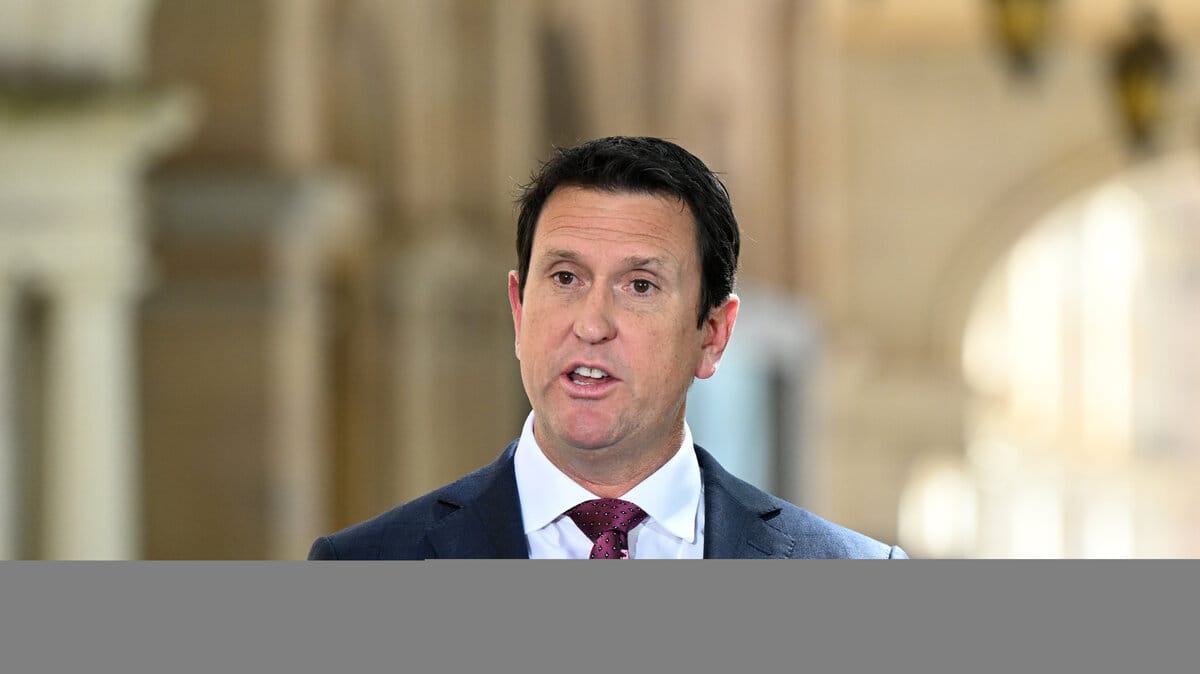
Queensland Police Minister Dan Purdie said his state "will not be progressing a gun buyback" because it "doesn't focus on keeping guns out of the hands of terrorists and criminals." The rejection leaves New South Wales as the only clear supporter of the federal Labor government's plan, which was agreed upon by national cabinet in January.
Royal Commissioner Virginia Bell handed down her interim report Thursday, recommending federal and state governments speed up the jointly funded weapons buyback scheme. Bell questioned whether efforts to establish a national gun register after the 2022 Wieambilla police killings in Queensland had been "unduly leisurely."
The buyback proposal emerged from investigations into multiple incidents, including the Sydney police attacks that exposed security failures. Northern Territory has already ruled out participation, while South Australia announced earlier this month that no changes were under consideration.
Queensland's opposition comes despite Premier David Crisafulli initially calling for the royal commission as "a great way of making sure that we don't continue to repeat the mistakes of the past." Purdie maintained Thursday that his Liberal-National government's resolve to combat antisemitism remained "unwavering" but insisted existing laws were sufficient.
"The Crisafulli government supports the recommendation to continue work on an interstate information-sharing program and background check framework as a priority, and has already passed nation-leading laws to keep guns out the hands of criminals and terrorists," Purdie said.
NSW Premier Chris Minns expressed hope the royal commission's findings would persuade holdout states to reconsider. His parliament rushed through tougher gun laws in December following the shootings. "These are common sense changes to the gun laws in our state," Minns said. "It's better if it's introduced everywhere, but if it's not, at least NSW will have the strongest firearm laws in the country."
Federal Labor faces mounting frustration as its signature public safety initiative crumbles. The proposed buyback was designed to remove thousands of weapons from circulation through voluntary surrender programs backed by government compensation.
The collapse highlights Australia's complex federal system, where states retain significant control over law enforcement despite national security concerns. Victoria is still considering the commission's findings, but the rejection by multiple large states effectively kills any coordinated national approach.
The failed buyback leaves Australia's gun control efforts fragmented just as security agencies warn of rising domestic terrorism threats. Without Queensland and other major states participating, any remaining program will lack the scale and coordination needed to meaningfully reduce weapon availability nationwide.