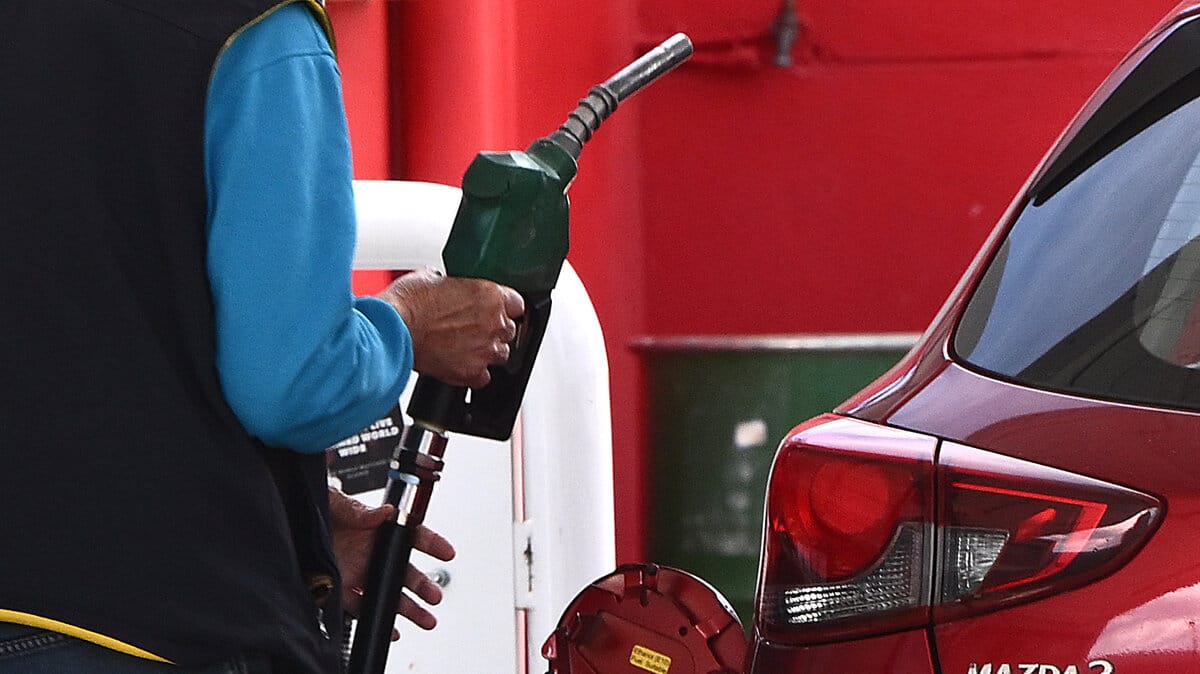
Australia's Albanese government will consider additional household relief in next month's federal budget as Iran continues blocking the Strait of Hormuz, threatening global oil supplies and driving up fuel costs for American allies.
Infrastructure Minister Catherine King said peace talks between the US and Iran offered the "best chance" at bringing down fuel prices. But she warned Australians face a "long tail" of economic pain even if Iran reopens the strait immediately.
Iran's blockade of the critical waterway has strangled global oil supplies for weeks, forcing the US Navy to begin clearing mines from the strait while diplomatic efforts continue. The crisis has sent fuel prices soaring across allied nations, putting pressure on governments to shield consumers from economic fallout.
King's comments signal Australia expects prolonged energy market disruption regardless of whether ongoing negotiations succeed. The minister spoke as Trump administration talks with Iran continue over a potential permanent deal following a fragile ceasefire.
Australia's budget relief plans would target struggling households and businesses hit by rising energy costs. The move mirrors actions by other US allies dealing with economic spillover from the Iran crisis, which has disrupted roughly 20% of global oil shipments.
The Strait of Hormuz normally handles about 21% of global petroleum liquids transit, making it one of the world's most critical energy chokepoints. Iran's decision to block the waterway has forced oil tankers to seek alternative routes, driving up transportation costs and delivery times.
For American taxpayers, the crisis highlights the global economic costs of Middle East instability. Higher fuel prices in allied nations like Australia can strain defense partnerships and burden allies' defense spending as governments redirect funds to domestic relief.
King's warning about a "long tail" suggests Australia's government expects oil market volatility to persist even after the immediate crisis ends. Energy markets often take months to stabilize after major supply disruptions, as strategic reserves are rebuilt and shipping patterns normalize.
The timing puts pressure on the Albanese government's upcoming budget, which must balance relief spending with fiscal discipline. Opposition parties are likely to scrutinize any new spending programs as politically motivated rather than economically necessary.
Australia's budget deliberations will test whether US allies can maintain defense spending commitments while managing domestic pressure for economic relief. The outcome could influence how other allied nations respond to similar economic pressures from the Iran crisis.
The government's final relief package will likely be announced within weeks as budget preparations intensify and fuel price impacts become clearer.