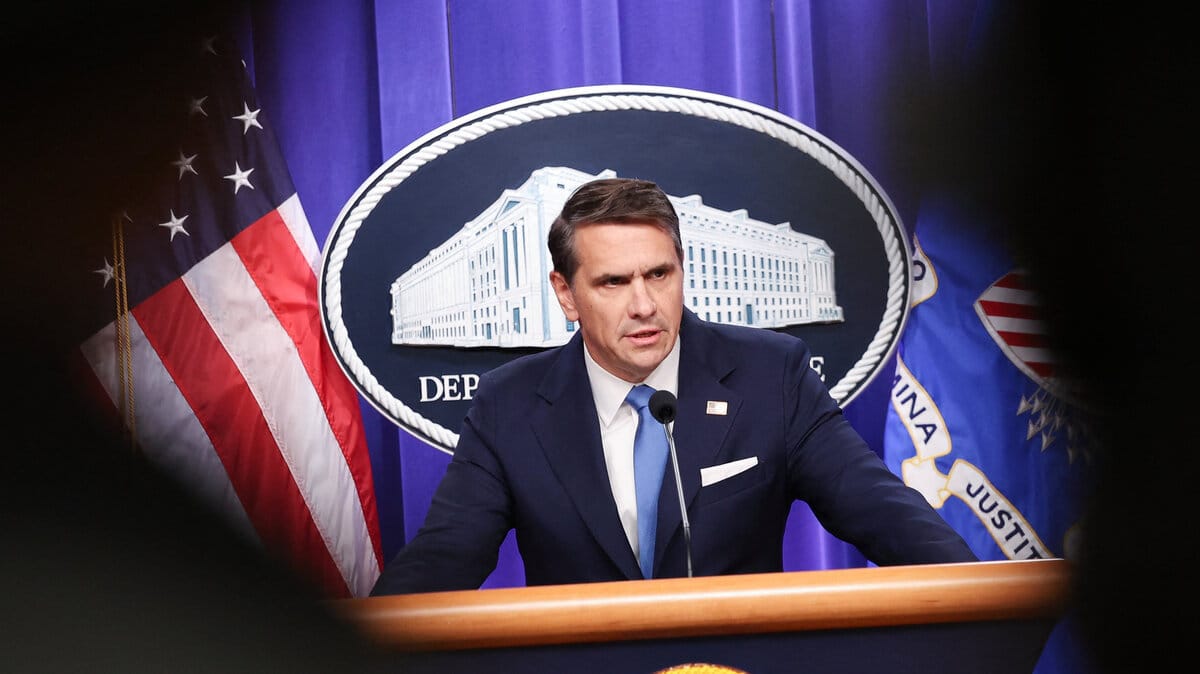
Acting Attorney General Todd Blanche indicted former FBI Director James Comey on April 28 over an Instagram photo showing seashells arranged to spell "86-47" — allegedly a death threat against President Trump. The two-count federal indictment, filed in the U.S. District Court for the District of Columbia, charges Comey with threatening a federal official and interstate transmission of threatening communications.
Legal experts are calling the charges "embarrassing" and "legally frivolous." Georgetown Law Professor Jonathan Turley and former federal prosecutor Barbara McQuade predict the case will be dismissed on First Amendment grounds or for insufficient evidence of genuine threat.
The Instagram Post That Sparked Federal Charges
The charges stem from a May 15, 2025 Instagram post where Comey photographed seashells on Rehoboth Beach in Delaware forming the numbers "86-47." The post, viewed by approximately 847,000 followers before deletion, included no caption or commentary. The slang "86" can mean removing or killing someone, while Trump serves as the 47th president.
Comey deleted the post within six hours after receiving criticism from followers and conservative media outlets. He issued a clarification statement on Twitter: "My beach photo was meant to represent hope that we can move past divisive politics. I intended no harm to anyone and regret any misunderstanding."
The Justice Department's three-page indictment alleges the seashells were "arranged in a pattern making out '86 47', which a reasonable recipient who is familiar with the circumstances would interpret as a serious expression of an intent to do harm to the President of the United States." Each count carries a maximum penalty of five years in prison and $250,000 in fines.
Second Prosecution After Judge Dismisses First Case
This marks Comey's second indictment since Trump returned to office in January 2025. U.S. District Judge Aileen Cannon threw out the first case in March 2025, ruling that Special Prosecutor Lindsey Halligan had been improperly appointed under former Attorney General Pam Bondi. That case involved allegations that Comey leaked classified information in 2017 memos documenting his conversations with Trump.
Trump fired Bondi on April 15 after she failed to secure convictions against Comey and other perceived enemies, including former Deputy Attorney General Rod Rosenstein and ex-CIA Director John Brennan. White House sources told Insider Wire that Trump blamed Bondi for "weak" prosecutions that failed to deliver the retribution he promised supporters.
Blanche, who previously served as Trump's criminal defense lawyer in the Manhattan hush money case and classified documents prosecution, took over as acting AG after Bondi's dismissal. His appointment requires Senate confirmation for a permanent role.
Pattern of Targeting Trump Critics
The Comey prosecution fits a broader pattern of Trump using federal law enforcement against former adversaries. Since returning to office, Trump's Justice Department has opened investigations into at least twelve former officials from his first administration who later criticized him publicly.
Comey originally drew Trump's ire as FBI director when he launched the investigation into Russian interference in the 2016 election. Trump fired him on May 9, 2017, citing Comey's handling of the Hillary Clinton email investigation but later admitting the Russia probe influenced his decision. The firing sparked the appointment of Special Counsel Robert Mueller, whose 22-month investigation dominated Trump's first term.
Critics See Vindictive Prosecution
Former prosecutors and constitutional law experts denounce the charges as legally weak and politically motivated. Former U.S. Attorney Chuck Rosenberg called the indictment "an embarrassment to the Justice Department." They argue Blanche is rushing to appease Trump and secure permanent appointment as Attorney General.
The case highlights Trump's continued use of federal prosecutors to target critics, despite his own legal troubles. Trump faced four separate criminal cases during the 2024 campaign, including charges for election interference and classified document retention.
What Comes Next
Legal experts expect federal judges to dismiss the seashell case for insufficient evidence or as vindictive prosecution. Comey's initial court appearance is scheduled for May 12 before Judge Tanya Chutkan in Washington D.C.
Watch for Trump's decision on whether to make Blanche's appointment permanent when Senate hearings begin in June. The confirmation process will likely focus on whether Blanche can maintain Justice Department independence or will continue targeting Trump's political enemies.