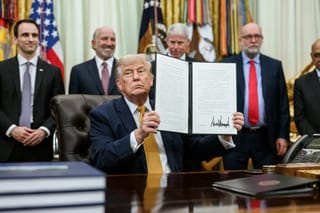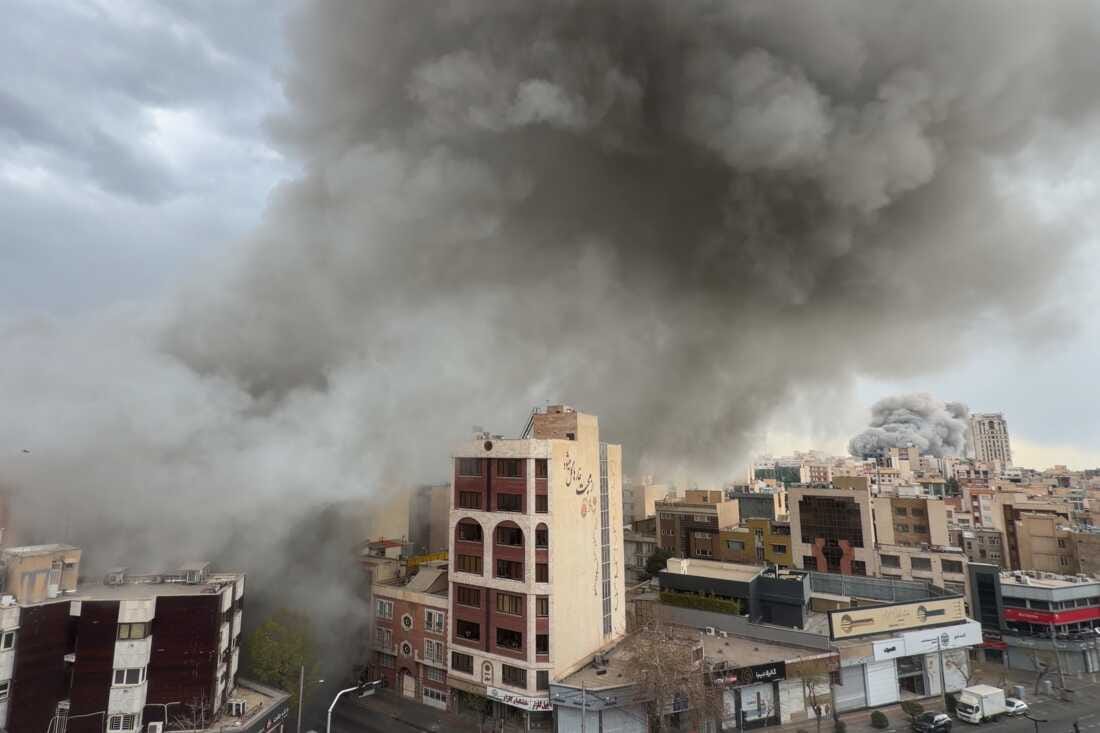
The two sides say they'll stand down and meet in Doha to settle their fight over the Strait of Hormuz, just 11 days into a ceasefire already coming apart, per Axios.
The United States and Iran have agreed to stop striking each other and to meet Tuesday in Doha, Qatar, a senior U.S. official told Axios, less than two weeks after a ceasefire that was supposed to end their war and has instead spent the weekend falling apart.

"We decided to stop all the kinetic activity," the official said, using the military's term for strikes and attacks. A second U.S. official told Axios both sides would stand down "for now," and that "vessels can move freely" through the strait while technical talks continue.
What Set It Off
The renewed fighting came down to two governments reading the same agreement two different ways. The memorandum of understanding that ended the war this month had Iran promising its "best efforts" to let commercial ships pass safely through the Strait of Hormuz, in exchange for Washington lifting its blockade of Iranian ports. Tehran then started insisting, again, that ships need Iran's approval to cross. Washington called that a violation. Strikes followed in both directions over the weekend.
Iran skipped technical talks scheduled for Sunday due to the recent attacks and what it called unmet terms of the deal. Iran's IRGC claimed it had destroyed eight U.S. military installations across Kuwait and Bahrain in overnight missile and drone strikes. U.S. officials said the wave of Iranian drones and missiles fired late Saturday failed to hit their targets.
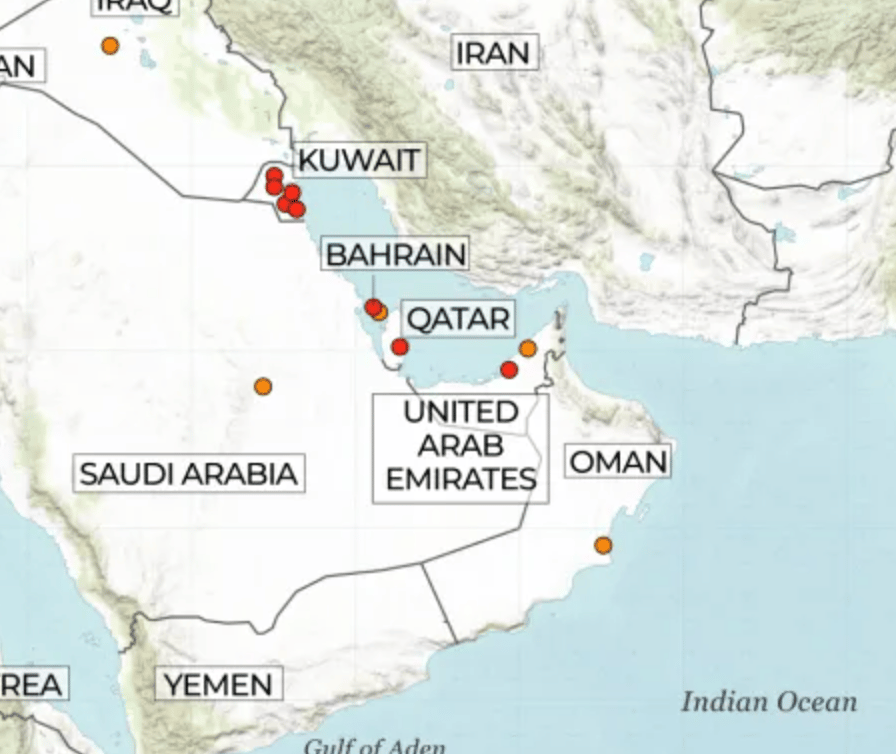
The damage wasn't only military. Qatar's Interior Ministry said one of its own citizens was killed and another wounded after shrapnel from the fighting struck their vessel off the coast.
The Sticking Point
The entire standoff was supposed to be managed by a phone line. During talks in Switzerland last week, the U.S. delegation, led by Vice President JD Vance, agreed with Iran to set up a direct hotline between the U.S. military and the IRGC to coordinate traffic through the strait. As of Saturday, that hotline still wasn't working, even as Iran went back to demanding that ships clear their passage first. Closing the gap between what the agreement says and what's actually happening on the water is what Tuesday's meeting is meant to do.
That meeting was originally booked for Switzerland, and it was supposed to be about Iran's nuclear program. The weekend changed both. The venue moved to Doha, the subject moved to Hormuz, and the nuclear file goes to the back of the line. Nick Stewart, who heads the U.S. technical team, is expected to lead the American side.
Where It Stands
The ceasefire is barely 11 days old, and President Trump has already threatened to restart the war and "complete the job." For now, both governments say the shooting has stopped and the ships can move. Whether that lasts until Tuesday is the open question. The White House did not respond to Axios's request for comment.