The U.S. Court of International Trade struck down President Trump's global 10% tariffs Thursday in a 2-1 decision, dealing another legal blow to the administration's trade agenda and forcing taxpayer-funded refunds to businesses.
The ruling comes after 24 states and a small group of businesses filed suit in March challenging the tariffs Trump imposed in February under Section 122 of the Trade Act of 1974. Those levies replaced his previous "Liberation Day" tariffs after the Supreme Court struck them down 6-3 in February for exceeding presidential authority.
Court Calls Tariffs 'Unlawful'
In its 53-page ruling, the three-judge panel declared the Section 122 tariffs "unlawful" and noted they caused "economic harm" to American businesses. The court found Trump lacked authority to impose the duties because Section 122 requires an actual balance-of-payments deficit — money flowing out of America faster than flowing in.
Instead, the White House proclamation focused on narrower economic measures: the trade deficit and current account deficit. Two Obama-appointed judges joined the majority opinion, while a George W. Bush appointee dissented.
The court ordered immediate tariff relief for Washington state and two businesses that sued, plus refunds with interest for all duties they paid. However, the panel stopped short of a universal injunction that would end the tariffs nationwide — meaning other states and businesses still face the 10% levy unless they file separate lawsuits.
Trump Doubles Down Despite Legal Setbacks
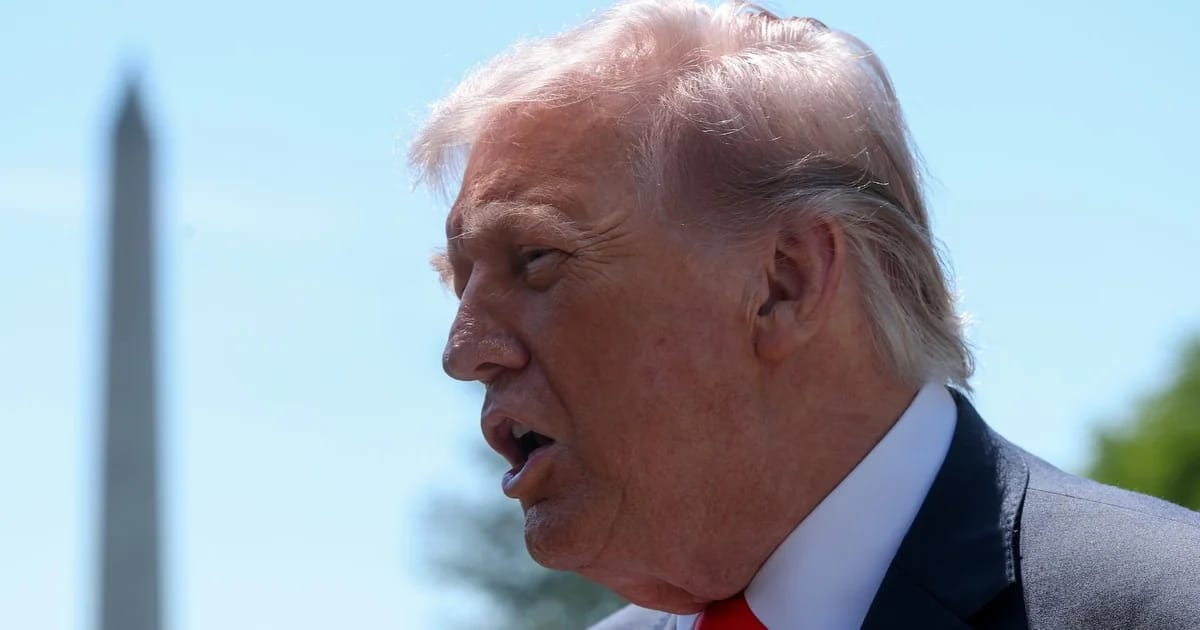
Asked about the ruling Thursday night, Trump dismissed the decision and attacked the majority judges as "radical left." He signaled no retreat from his tariff strategy despite mounting legal obstacles.
The White House now faces a complex legal maze. Trump's team hoped to replace the temporary Section 122 tariffs with longer-lasting duties under different legal authority, but that requires completing trade investigations into foreign countries' practices first. The administration must also begin issuing refunds this month to businesses that paid the earlier IEEPA tariffs struck down by the Supreme Court.
This marks the second major court defeat for Trump's trade agenda in three months. The pattern reveals how legal challenges are constraining presidential power over tariffs — authority Congress has steadily delegated to the executive branch since the 1930s but courts are now willing to police more aggressively.
The administration will likely appeal Thursday's ruling while scrambling to find new legal justification for its protectionist agenda before the 150-day window for Section 122 tariffs expires.