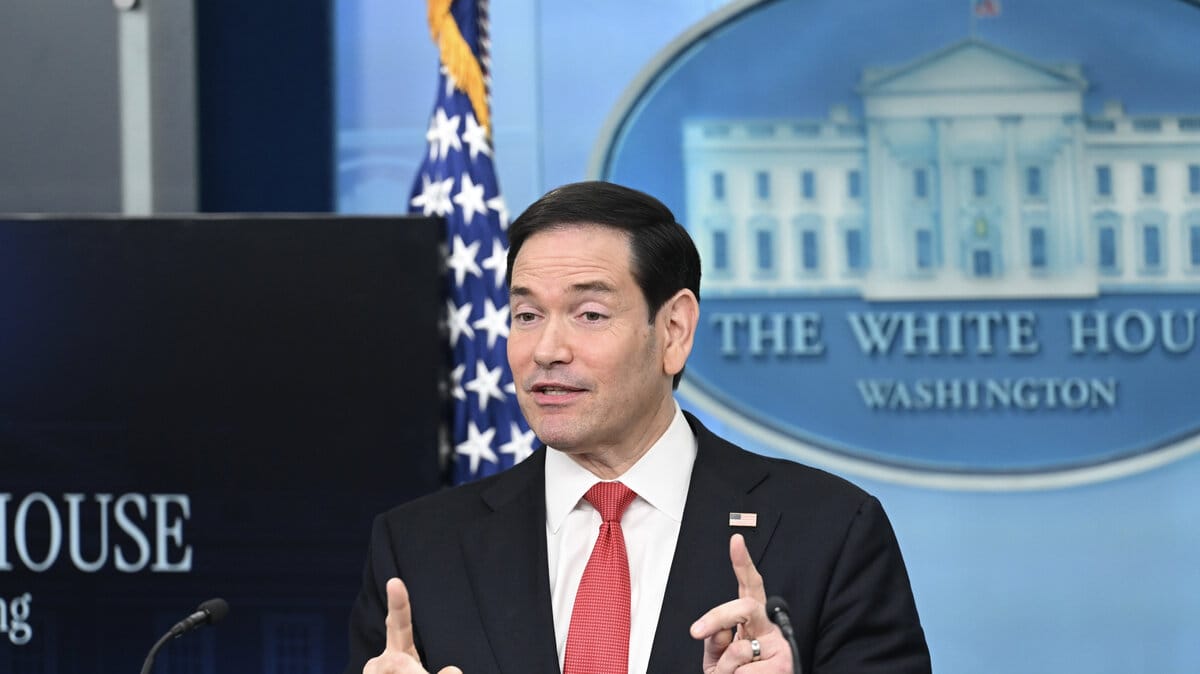
Secretary of State Marco Rubio told Americans Tuesday they should consider themselves "very fortunate" despite gas prices soaring to $4.48 per gallon — the highest level in four years — as fallout from Trump's Iran war hits drivers nationwide.
Speaking from the White House press room, Rubio defended the price spike by pointing to other countries suffering "big time" from the global oil disruption. Gas prices have jumped $1.31 per gallon since this time last year, when they stood at just under $3.17.
Hormuz Closure Drives Global Crisis
The price surge stems directly from the February 28 US-Israel attack on Iran, which triggered a chain reaction that has effectively closed the Strait of Hormuz. The waterway normally carries one-fifth of the world's oil and liquid gas supplies, making its closure a massive blow to global energy markets.
When pressed on how long Americans should accept these elevated fuel costs, Rubio emphasized America's position as a net oil exporter reduces dependence on Middle Eastern supplies compared to other nations.
There are people that we're predicting would be much higher at this point, but we're not taking that for granted.
The secretary's comments reflect the administration's attempt to frame the economic pain as manageable compared to global alternatives, even as affordability concerns mount for American families already squeezed by inflation.
Congressional Pressure Builds
Rubio faces mounting pressure from multiple directions as the Iran crisis deepens. Thirty House Democrats sent a letter Monday demanding he publicly acknowledge Israel's nuclear weapons program, arguing the administration cannot sustain military collaboration with Prime Minister Benjamin Netanyahu while maintaining decades of official ambiguity.
The Democrats contend it's "unsustainable" for Trump to partner with Israel on preventing Iran from obtaining nuclear weapons without acknowledging the ally already possesses the bomb.
Meanwhile, Senate Republicans released a new immigration enforcement package Tuesday that includes $1 billion in potential security funding tied to Trump's controversial East Wing modernization project, adding the ballroom security measures to the broader $72 billion border package.
The combination of economic pressure from gas prices and political heat from Congress puts Rubio at the center of multiple administration challenges. His handling of both the Iran crisis and domestic political fallout will likely shape his influence within Trump's foreign policy team and any future political ambitions.
Oil markets remain volatile as the Hormuz situation continues, with energy analysts warning prices could climb higher if the standoff escalates further or if Iran takes additional retaliatory actions against shipping lanes.