Brent crude oil surged above $106 per barrel Friday morning as President Donald Trump escalated his naval blockade of the Strait of Hormuz, declaring that no vessel can transit the critical energy chokepoint without US Navy approval. The price jump of nearly 5 percent reflects growing concern over the world's most important oil shipping route.
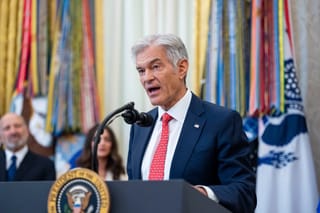
Trump announced on Truth Social Thursday that he had ordered the Navy to destroy any Iranian boats laying mines in the strait, while expanding the blockade beyond Iranian ports. "It is 'Sealed up Tight,' until such time as Iran is able to make a DEAL!!!" Trump wrote, building on his earlier claims of controlling the waterway.
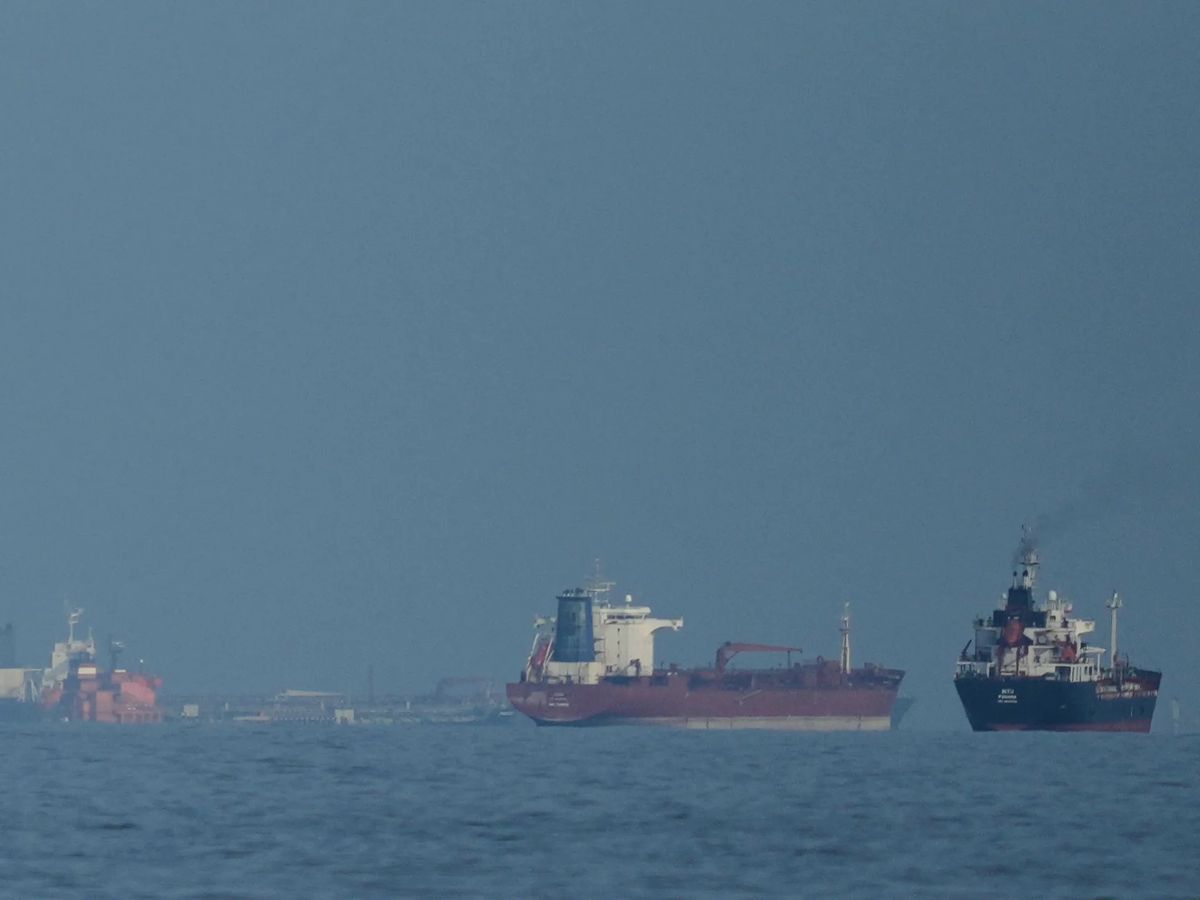
The confrontation intensified after Iran's Islamic Revolutionary Guard Corps seized two foreign cargo ships — the Panamanian-flagged MSC Francesca and Greek-owned Epaminondas. Tehran accused both vessels of "operating without the necessary permits and tampering with navigation systems." Greece's Maritime Affairs Ministry disputed the Iranian claim about the Epaminondas, saying the ship remains under its captain's control.
Commercial shipping through the strait has collapsed to a trickle. Only nine vessels transited Wednesday, down from 15 on Monday and far below the pre-conflict average of 129 daily transits. The Pentagon announced it had seized a second tanker carrying sanctioned Iranian oil in less than a week, adding to tensions in the waterway that normally carries one-fifth of global oil and natural gas supplies.
American markets felt the energy shock overnight. The S&P 500 dropped 0.41 percent while the Nasdaq Composite fell 0.89 percent as investors calculated the economic impact of prolonged energy disruptions. Brent crude stood at $106.80 as of 1:00 GMT Friday, surpassing $100 per barrel for the first time in two weeks.
The standoff puts American consumers and the global economy at risk as Iran continues demanding the right to decide which ships may pass while the US blocks Iranian maritime trade. Trump's expanded blockade means all commercial traffic — not just Iranian vessels — now requires US military clearance to use the strait.
The energy crisis stems from the broader US-Israel conflict with Iran that began February 28, according to UN Trade and Development data. Trump has said he wants to take his time on Iran negotiations, suggesting the blockade could continue indefinitely without a diplomatic breakthrough.
Energy markets will watch closely whether Iran attempts to physically challenge the US naval presence or if more commercial shipping companies suspend operations in the region, potentially driving oil prices even higher and hitting American gas pumps.