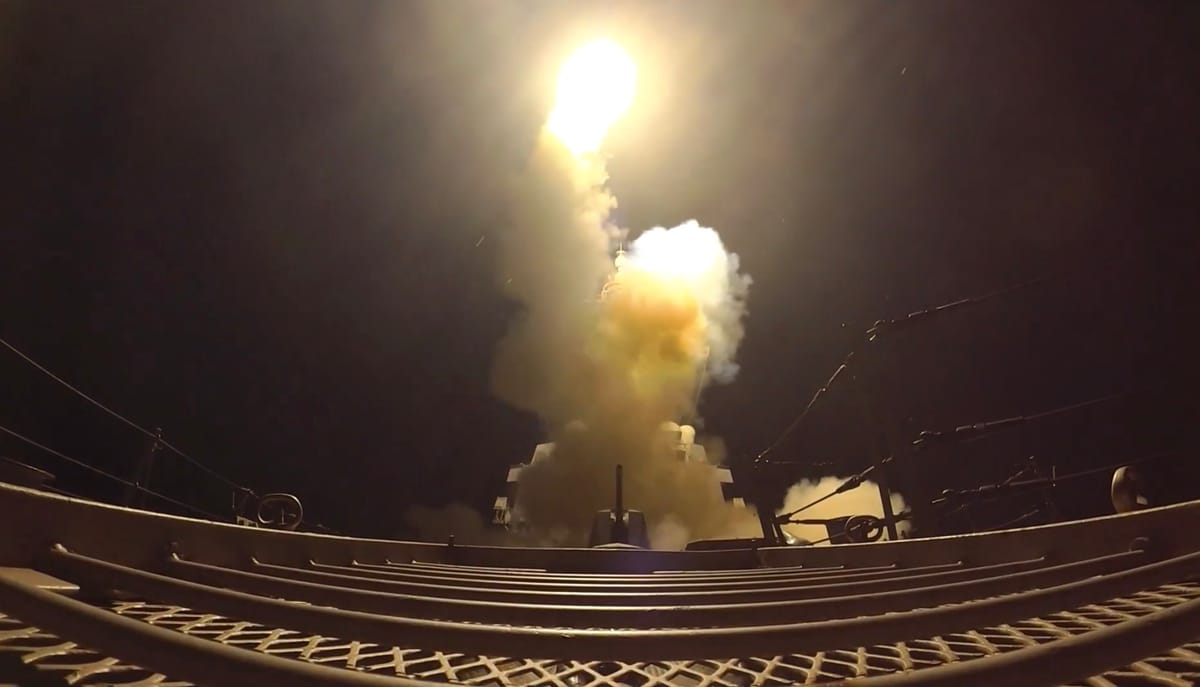
The United States and Iran traded military strikes again, deepening a conflict sparked by Iranian attacks on commercial shipping in the Strait of Hormuz.
U.S. Central Command (CENTCOM) forces struck more than 200 targets during the operations over the weekend. The strikes focused on Iranian military air-defense systems, coastal radar sites, missile and drone capabilities, and small boats. These attacks were conducted using U.S. fighter aircraft, naval vessels, one-way attack aerial drones, and—for the first time—one-way attack sea drones. CENTCOM emphasized that the Strait of Hormuz remains a vital maritime corridor for global trade and that Iran does not control it.
Iran’s Revolutionary Guard Corps responded by launching drones and missiles at U.S. forces. Jordan, Kuwait, and Bahrain confirmed intercepting hostile targets in their territories. Kuwait said three of its land border posts in the north were damaged in an attack, and that an offshore drilling platform was targeted by a hostile drone, with one person injured. Iran's Foreign Ministry threatened to "abandon the agreement if the U.S. does not uphold its obligations."
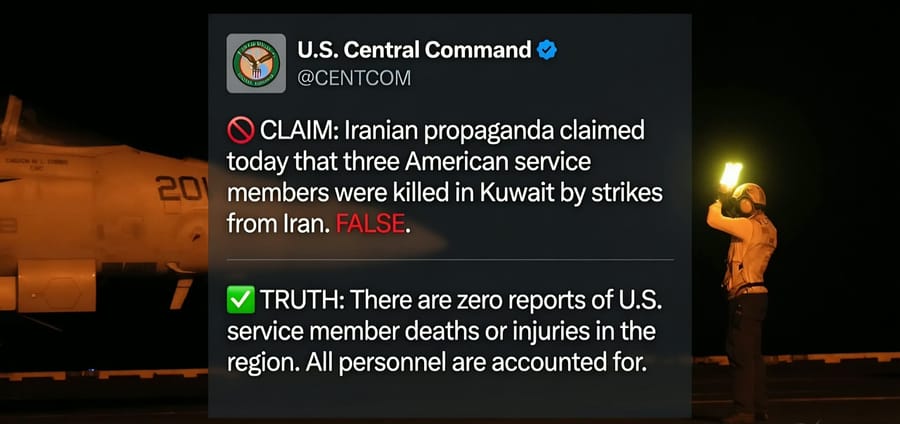
Iranian state media made multiple false claims as renewed strikes rattled the region. The most recent asserted that three American service members were killed by strikes in Kuwait, CENTCOM refuted the accusation in a post on X, calling it Iranian propaganda.
The primary points of contention remain the safe and free passage of vessels through the Strait of Hormuz and Iran’s nuclear program. Iran has sought to exert control over this critical maritime chokepoint and has continued to issue threats against shipping in the region. In a recent statement, Iranian foreign ministry spokesman Esmaeil Baghaei said that Iran will not grant the International Atomic Energy Agency (IAEA) access to its nuclear facilities.
The Memorandum of Understanding now hangs in the balance as the region braces for what may be days of renewed fighting. The situation has already affected oil prices, which rose 5 percent after Iran announced that the Strait of Hormuz is "closed." While this claim is not accurate—maritime traffic has not halted entirely—vessel movements remain below pre-war levels of approximately 100 to 140 ships per day. According to data from Marinetraffic.com at least 20 to 40 vessels continued to transit the strait daily. However recent developments caused crossings to decline by around 52% from July 10 to 12, with vessels reverting to more defensive routing patterns. CENTCOM continues to say the Strait of Hormuz is open to global maritime traffic
President Trump recently declared the April ceasefire over, marking a clear shift in Washington’s approach to the ongoing tensions with Iran. Despite this development, he left the door open for further talks, indicating that diplomatic engagement has not been completely abandoned. At the same time, world leaders have urged restraint and renewed diplomacy, warning that continued escalation risks destabilizing the wider region. The coming weeks will likely determine whether the fragile opening for dialogue can be revived or whether the conflict will deepen further.