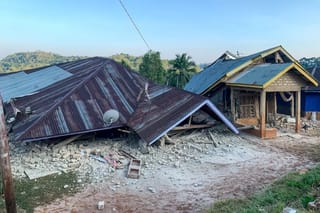
Israeli strikes killed 11 people in Lebanon's Tyre district Friday, including six paramedics and a child, as violence continues despite a US-brokered ceasefire that began in mid-April.
This story is free to read.
Log in or create a free account to continue.
Enjoy unlimited access to Insider Wire.
See subscription optionsBy continuing, you agree to the Terms of Service and Privacy Policy.
The deadliest attack hit the municipality of Deir Qanoun en-Nahr, killing six people including two paramedics and a child. A separate strike 12 kilometers away in Hannaouiyah killed four more paramedics. Another man died in an attack on the southern city of Nabatieh.
Ceasefire Collapses as Death Toll Mounts
More than 400 people have died from Israeli fire since the US-mediated ceasefire took effect. The agreement, extended by 45 days last week, marked the first direct diplomatic talks between Lebanon and Israel in more than three decades — but has failed to stop the bloodshed.
Israel justifies continued attacks by claiming it will target Iran-backed Hezbollah, which opposed Lebanon's ceasefire agreement. The Israeli military repeatedly accuses Hezbollah of using health facilities and medical teams to conceal weapons and fighters.
Lebanon's government rejects those claims. Health Minister Rakan Nassereddine condemned what he called the "systematic targeted destruction of the health sector." Since fighting escalated in early March, Lebanon reports 116 healthcare workers killed, 16 hospitals damaged, and 147 ambulances attacked.
Broader Conflict Takes Massive Toll
The renewed war began when Hezbollah declared support for Iran in early March. Israeli attacks since then have killed at least 2,896 people in Lebanon, injured more than 8,824, and displaced over 1.6 million — about one-fifth of the country's population.
The conflict exposes Lebanon's inability to control Hezbollah despite August pledges to disarm the group. Hezbollah's armed wing remains stronger than Lebanon's official army and wields significant political influence through parliament and security sectors.
On Thursday, the US Treasury sanctioned nine individuals with Hezbollah links, including Iran's ambassador to Lebanon. For the first time, sanctions targeted a Lebanese army officer accused of sharing information with the terrorist group. Lebanon's military rejected the sanctions Friday, insisting all soldiers remain loyal.
The collapsing ceasefire threatens broader US interests in the region, as critics question American diplomatic leverage with Iran-backed proxies. With Hezbollah continuing attacks while Lebanon's government proves powerless to enforce the deal, American taxpayers face questions about the effectiveness of US-mediated agreements in the volatile region.
Friday's strikes on multiple villages across the Tyre district signal Israel's willingness to escalate despite diplomatic pressure, leaving the extended ceasefire's survival in serious doubt.