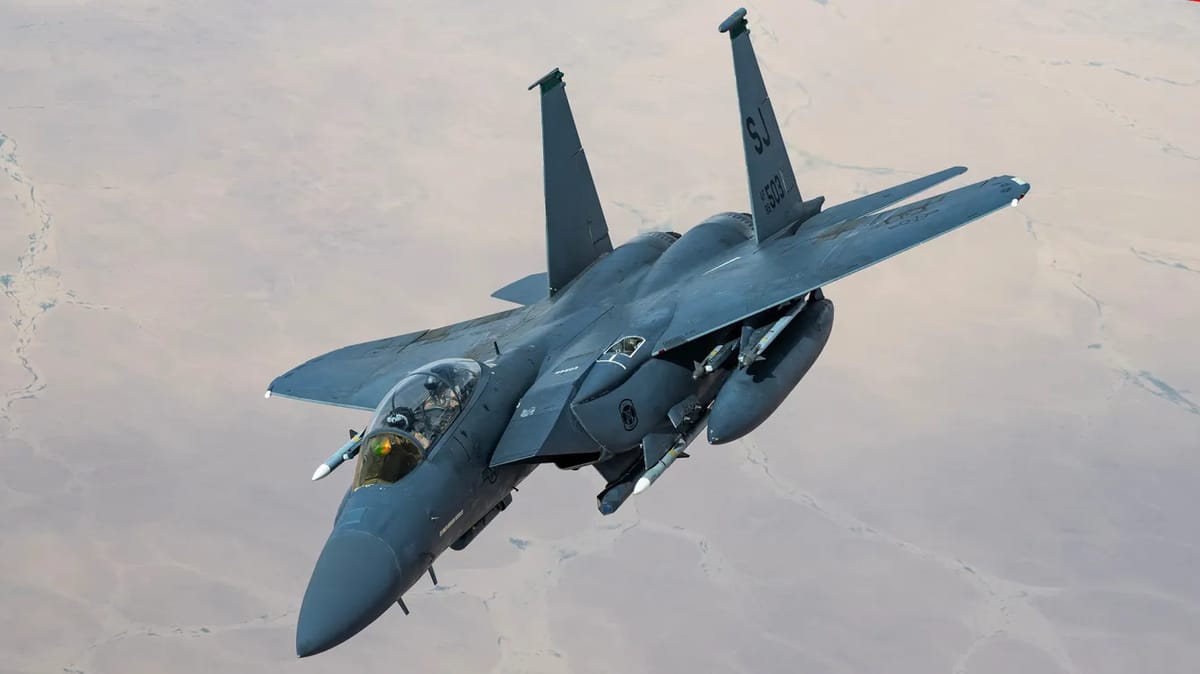
When an Iranian missile downed a U.S. Air Force F-15E Strike Eagle over the mountains south of Isfahan in the early hours of April 3, 2026, one crew member was rescued within hours. The other — a weapons systems officer known only as Dude 44 Bravo — spent the next 50 hours badly injured, hunted and alone on a 7,000-foot ridgeline before a daring Easter Sunday rescue mission brought him home.
Alpha was extracted first in a high-risk daylight operation involving more than 20 aircraft. Bravo's rescue required far more. More than 90 elite U.S. special operators entered Iran — the first American troops on the ground there in 46 years — supported by hundreds of aircraft and thousands of personnel. The details, including newly declassified rescue footage, were revealed in an exclusive 60 Minutes interview with Norah O'Donnell.
U.S. forces built a makeshift airstrip. Helicopters, including pararescue teams (PJ), reached Bravo on the ridgeline as Iranian troops massed below. “The moment a PJ showed up to me on that ridgeline was one of the greatest moments of my life,” Bravo said. His words to the rescuers: “Let’s go.”
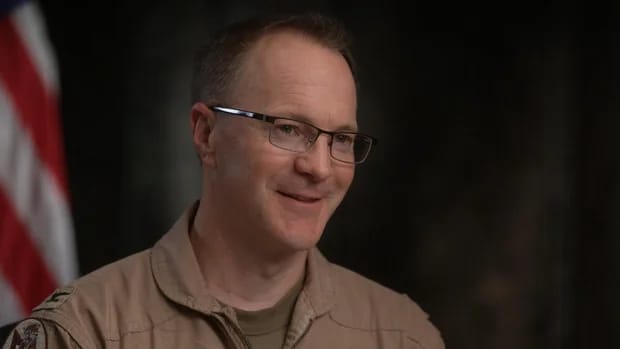
Bravo broke his back, an arm and a shoulder after hitting the ground at high speed. Despite his injuries in darkness, he climbed a 7,000-foot ridgeline, using craggy cliffs and high-desert valleys for cover, surviving two days behind enemy lines before his rescue. "Never let a lack of motivation put you on Iranian TV," he said. He calls it a "modern-day miracle."
Iranian forces — who had placed a bounty on the downed airmen — came within a few hundred meters of his position. Drawing on his SERE training, he held off using his communications gear until he had distance from the landing site. When he finally transmitted, the message was four words: "God is good."
"I don’t have this story without faith,” Bravo said. “I am not saying faith is a replacement for training. Training helps us understand what we do. But faith is the backstop of all of my actions."
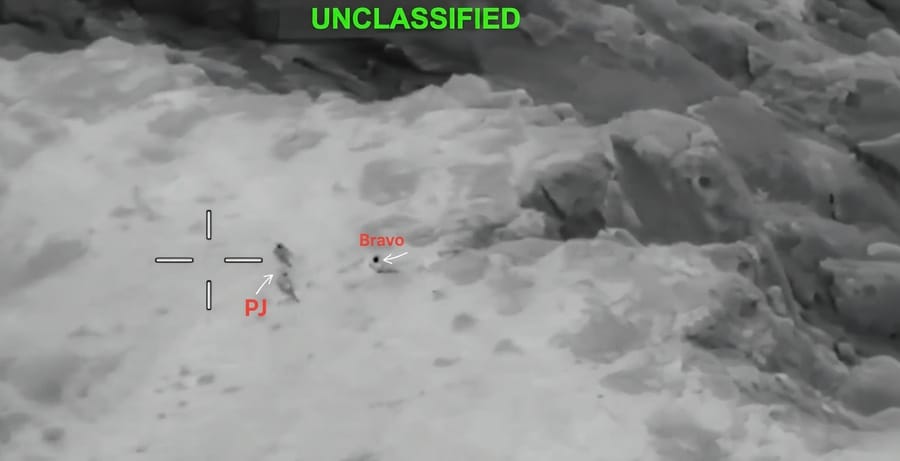
During the operation, some of the large rescue aircraft became stuck in the sand. After extracting Bravo and the operators, U.S. forces destroyed the marooned planes to keep sensitive equipment out of Iranian hands. The entire effort lasted about 50 hours from shootdown to Bravo’s safety.
It stands as one of the most complex combat search-and-rescue missions in modern U.S. military history, an operation defined by speed, scale, risk and an absolute refusal to leave anyone behind.
Click here to watch the extended 60 Minutes interview.