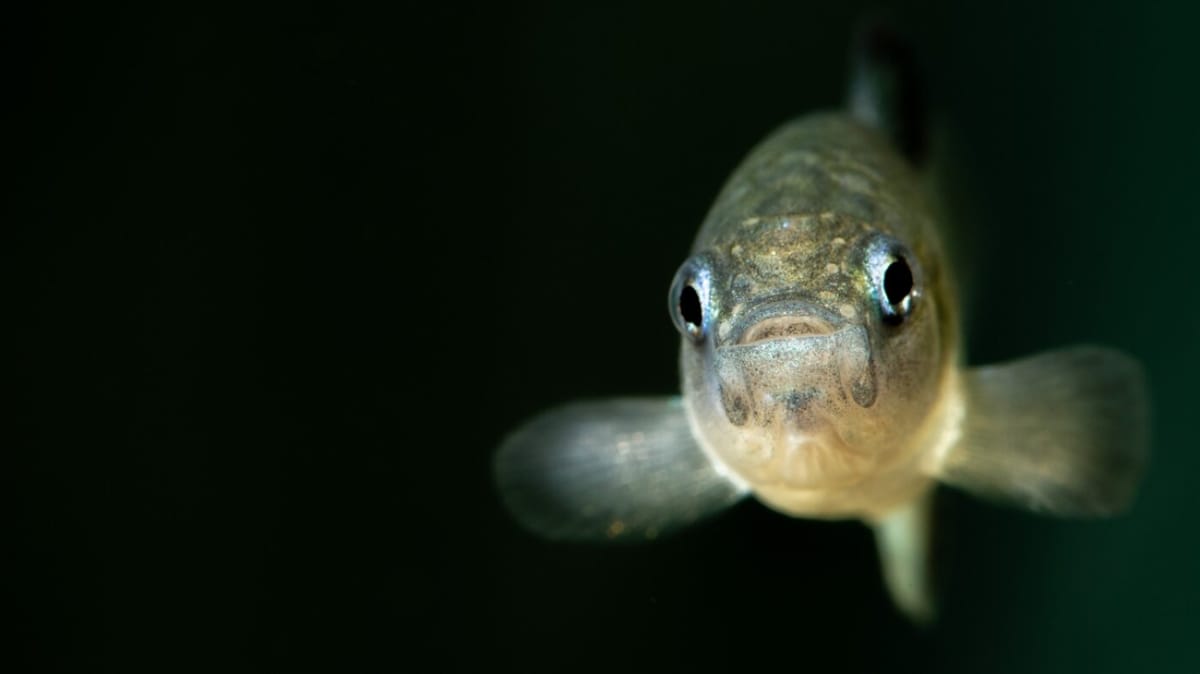
The Devils Hole pupfish population plummeted to just 20 fish last spring, forcing federal wildlife managers to take emergency action they had never attempted before. Scientists released 69 captive-bred fish into the species' only natural habitat in Death Valley National Park, racing against time as Trump administration layoffs threatened to gut their research teams.
The crisis unfolded as federal scientists faced massive job cuts and a looming government shutdown. Wildlife managers had maintained a captive breeding program for over a decade as an insurance policy, but the wild population crash forced their hand sooner than planned.
Emergency Rescue Mission
Olin Feuerbacher, a U.S. Fish and Wildlife Service biologist managing the backup population, said the team faced impossible choices under extreme pressure. They started by releasing 19 captive-bred fish into Devils Hole, then added about 50 more.
We're breathing a lot easier at 77 than 20
By spring, biologists counted 77 fish swimming in the desert pool. But the rushed timeline came with scientific costs. The lab failed to collect genetic samples from the first batch of released fish, creating a research blind spot that will hamper future studies.
Christopher Martin, a geneticist at UC Berkeley who studies the species, said scientists now "cannot distinguish the introduced captive fish from wild fish" or track how the captive-bred animals will contribute to future generations.
Political Chaos Claims Scientific Casualty
Martin blamed the missed opportunity on political turmoil, saying Devils Hole managers "made the best decision that they could under the extreme pressure of 'I'm going to be fired at any second.'"
Feuerbacher defended the team's approach, explaining they chose "rapid action" over waiting for perfect conditions. The scientists weighed "delaying action to do things perfectly, or doing the best we could within the perceived time constraints."
The Devils Hole pupfish has survived for millennia in a single deep pool of hot water at the bottom of a Death Valley cavern. The species serves as an icon of conservation efforts, living under constant surveillance with fences and video monitoring protecting its habitat.
Michael Schwemm, another Fish and Wildlife Service biologist, believes the emergency intervention succeeded. "I think we saved the species," he said.
The population recovery offers hope, but the genetic data gap will limit researchers' ability to understand how captive breeding affects wild populations — a question that could prove vital for future conservation efforts across America's endangered species programs.