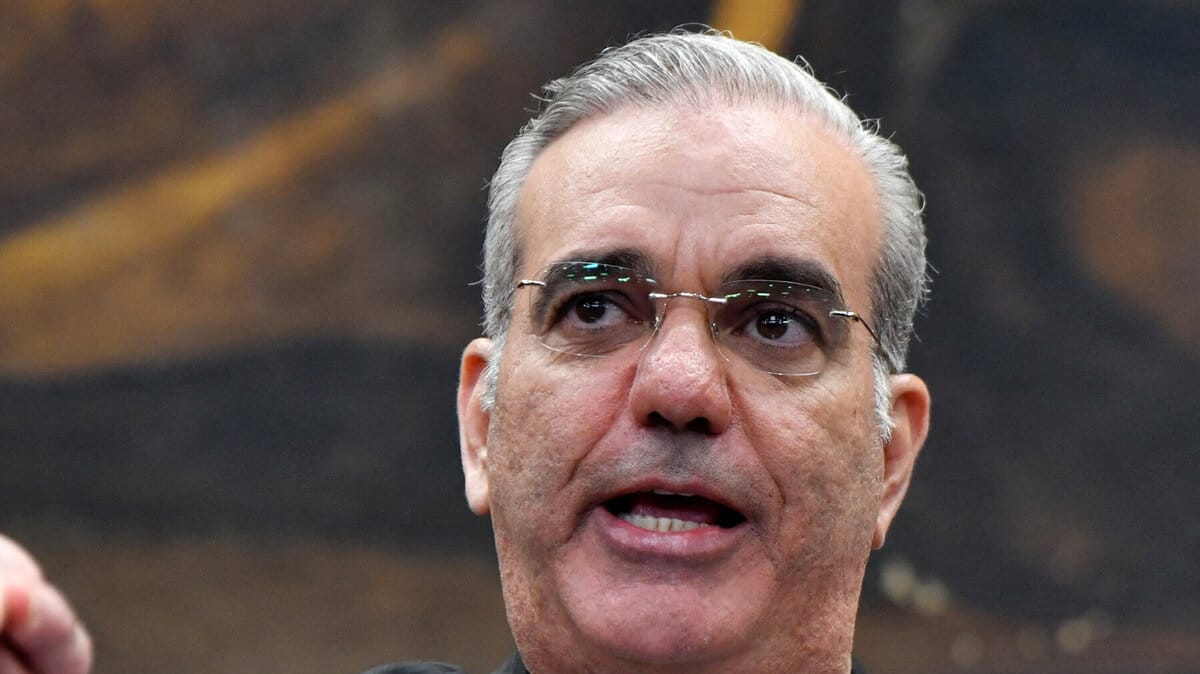
The Dominican Republic agreed to accept third-country migrants deported by the United States, marking a complete reversal by President Luis Abinader who previously refused such arrangements during negotiations in December 2024. The deal advances President Trump's push to secure foreign partners for his expanded deportation operations targeting an estimated 11 million undocumented immigrants currently in the U.S.
Abinader's about-face represents a diplomatic victory for the Trump administration, which has pressed multiple governments to accept deportees who aren't their own citizens. The Dominican leader had initially rejected the arrangement during talks with U.S. Special Envoy for Border Security Tom Homan, citing concerns about his nation's capacity to handle additional migrants at facilities in Santo Domingo and Santiago.
Third-Country Deals Expand Deportation Options
Third-country agreements allow the U.S. to send migrants to nations other than their countries of origin, expanding deportation capacity beyond traditional bilateral arrangements. These deals prove especially valuable when migrants' home countries refuse to accept deportees or lack diplomatic relations with Washington. The Dominican agreement establishes processing centers in Santo Domingo and Puerto Plata capable of handling up to 500 deportees monthly.
The arrangement follows a similar model to agreements the Trump administration negotiated with Guatemala, Honduras, and El Salvador during his first term, though those deals were later suspended under the Biden administration in February 2021. Current negotiations are underway with Panama, Guatemala, and El Salvador to restore or establish new third-country partnerships.
For American taxpayers, these agreements could reduce detention costs by accelerating deportations. Housing migrants in federal facilities costs approximately $134 per person daily, according to Immigration and Customs Enforcement data. With current detention populations averaging 38,000 people, faster processing through third-country deals could slash those expenses by an estimated $1.8 billion annually while deterring future illegal crossings.
Historical Context Shapes Regional Response
Abinader's policy shift likely reflects broader regional pressures as migration flows strain resources across the Caribbean and Central America. The Dominican Republic shares the island of Hispaniola with Haiti, where political collapse has triggered massive population movements of over 700,000 people since 2021. Dominican authorities have already deported 174,000 Haitian nationals in 2024 alone, according to government statistics.
The deal also signals Trump's success in leveraging diplomatic and economic pressure to secure immigration cooperation. The Dominican Republic receives approximately $52 million annually in U.S. foreign aid and maintains $9.8 billion in bilateral trade relationships that could face restrictions under immigration non-cooperation policies. Previous administrations struggled to negotiate such arrangements, with many Latin American governments refusing to accept non-citizens during the Obama and Biden years.
This agreement reverses the trend of reduced regional cooperation seen under the Biden administration. Between 2021 and 2024, third-country deportation agreements fell from covering 12 nations to just three, forcing U.S. authorities to rely on expensive long-term detention or releases into American communities.
Implementation Timeline and Next Steps
Immigration hardliners will view the Dominican agreement as proof that sustained pressure works where past diplomatic niceties failed. The arrangement could serve as a template for similar deals with other regional partners facing their own migration challenges. Implementation begins March 1, 2025, with the first deportation flights scheduled for March 15 from detention facilities in Florida and Texas.
Watch for additional third-country agreements as Trump officials press governments throughout Latin America and the Caribbean to join the Dominican Republic in accepting U.S. deportees. Key upcoming negotiations include a February 14 meeting between Homan and Panamanian President José Raúl Mulino in Panama City, and scheduled talks with Salvadoran officials in Washington on February 28. Congressional Republicans have indicated they will tie future foreign aid packages to immigration cooperation, potentially affecting $2.3 billion in regional assistance programs.