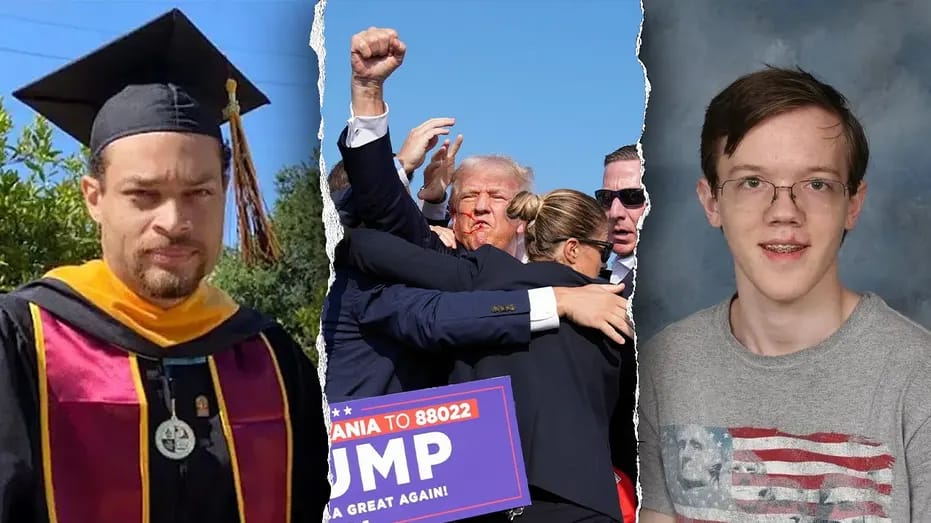
Cole Allen left behind a treasure trove of evidence after allegedly trying to assassinate President Trump at the White House Correspondents' Dinner, while Thomas Crooks took his secrets to the grave in the 2024 Butler, Pennsylvania attack. The stark contrast reveals why Americans still know so little about Crooks' motives nearly two years later.
Allen, a 31-year-old California computer scientist, opened fire at the correspondents' dinner on Saturday, April 25, after rushing a Secret Service checkpoint with multiple weapons. Within days, investigators pieced together his apparent grievances, communications, and planning details. He now faces federal charges with more expected.
Crooks presented a different challenge entirely. The 20-year-old from Bethel Park, Pennsylvania, was shot dead at the scene during his 2024 assassination attempt at Trump's Butler rally. That single fact — his immediate death — limited investigators' ability to uncover his mindset and planning.
"There really just isn't always an answer. There isn't always a clear motive," Nicole Parker, former FBI special agent and author of "The Two FBIs," told Fox News Digital. Parker said investigators sometimes work with minimal evidence, especially when suspects maintain few connections or leave limited digital footprints.
The evidence gap between the two cases highlights a fundamental truth about assassination investigations. Allen survived his attack and allegedly shot a Secret Service officer "point-blank" according to the Secret Service director. His survival meant interrogations, seized devices, and traceable communications — all unavailable in the Crooks case.
Parker defended the FBI's handling of the Crooks investigation, stating she doesn't believe agents are hiding information. "There's probably just not as much evidence in that case to point investigators in a clear direction," she explained. The assessment contradicts conspiracy theories that have flourished around the Butler shooting.
The Allen case demonstrates how quickly modern investigations can develop when suspects leave digital breadcrumbs. Authorities traced his alleged cross-country planning and identified his breaking points within days. Such rapid progress stands in sharp contrast to the lingering questions about Crooks' transformation from registered Republican to would-be assassin.
The timing difference also matters for transparency. Allen's case unfolds in real-time with active legal proceedings, creating pressure for regular updates. The Crooks investigation concluded with his death, leaving few mechanisms for ongoing disclosure beyond periodic FBI reports.
For Americans seeking answers about threats against their elected officials, the cases reveal both the power and limits of federal investigations. When suspects survive and leave evidence trails, the public gets clearer pictures of motives and methods. When they don't, as surveillance photos show happened with Crooks, some questions may never find satisfactory answers.
The Allen prosecution will test whether surviving assassination attempts leads to meaningful accountability and deterrence — outcomes impossible to achieve when suspects die at the scene like Crooks did.