The CIA and Mexican government issued forceful denials this week of explosive reports from CNN and The New York Times claiming American agents conducted covert assassination operations against cartel figures on Mexican soil. The reports triggered a diplomatic firestorm in Mexico over alleged violations of sovereignty and sparked rare public pushback from U.S. intelligence officials.
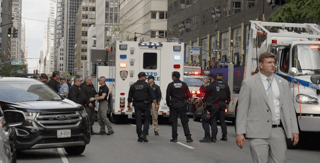
CNN's initial report detailed how Francisco "El Payin" Beltran, a mid-level Sinaloa Cartel operator, died in what sources described as a CIA-led assassination on March 28 near Toluca International Airport in Mexico State. According to the network's reporting, Mexican and American forces planted explosive devices in Beltran's white Chevrolet Suburban, which detonated as he drove away from a meeting.
The explosion killed Beltran instantly and left his vehicle in charred ruins on Highway 15, roughly 40 miles west of Mexico City. Local Mexican media outlets initially attributed the killing to ongoing violence between rival factions of the Sinaloa Cartel following the January capture of cartel leader Ovidio Guzman in Culiacan.
Times Expands Allegations
The Times followed with its own reporting claiming the CIA was operating with unusual openness in Mexico, targeting mid-level cartel figures as part of an expanded counternarcotics campaign. The newspaper cited unnamed U.S. and Mexican officials in describing a program that allegedly began in early 2023 and involved joint operations between CIA operatives and Mexican special forces units.
According to the Times account, the operations targeted figures involved in fentanyl trafficking, reflecting growing U.S. pressure on Mexico to combat the synthetic opioid crisis that killed more than 70,000 Americans in 2022. The report suggested at least three similar operations had occurred since February, though it provided few specifics on other targets or locations.
Intelligence Agencies Push Back Hard
The CIA mounted an unusually public defense against the allegations. A CIA spokesman posted on the agency's official social media accounts, calling the coverage "false and salacious reporting that serves as nothing more than a PR campaign for the cartels and puts American lives at risk."
The statement represented a departure from the CIA's typical practice of declining comment on operational matters. Agency officials privately expressed frustration that the reports could compromise ongoing counternarcotics cooperation with Mexico and endanger intelligence personnel.
Mexico's top security official Omar Garcia Harfuch quickly amplified the CIA's denial on his Twitter account, adding his own statement that Mexico and the United States maintain "a stable working relationship that follows the law" and that such assassination operations are not occurring on Mexican soil.
Historical Context and Stakes
The controversy reflects decades of tension over U.S. counternarcotics operations in Mexico. The 1985 torture and murder of DEA agent Enrique Camarena by cartel figures with Mexican government connections led to a crisis in bilateral relations and established strict protocols governing American law enforcement activities south of the border.
More recently, the October 2019 failed capture of Ovidio Guzman in Culiacan sparked criticism from Mexican President Andres Manuel Lopez Obrador, who accused the U.S. of conducting operations without proper coordination. Lopez Obrador's administration has consistently opposed aggressive enforcement tactics, favoring social programs over military confrontation with cartels.
Any CIA operations on Mexican territory would require explicit approval from Mexico City under bilateral agreements dating to the 1990s. Unauthorized assassinations would constitute a severe violation of Mexican sovereignty and could trigger a broader diplomatic crisis between the two countries.
The fentanyl crisis has intensified pressure for stronger action. Republican lawmakers have called for military strikes against cartel labs, while the Trump administration has imposed sanctions on cartel networks and increased intelligence sharing with Mexican counterparts.
What Comes Next
Neither CNN nor the Times has responded publicly to the CIA's characterization of their reporting as cartel propaganda. Both outlets typically defend their reporting vigorously when challenged by government officials, making their silence noteworthy.
Watch for additional sourcing from either news organization to support their claims, or potential corrections if their reporting proves inaccurate. Mexican congressional leaders have called for hearings on alleged CIA operations, which could force further clarifications from both governments.
The dispute also puts spotlight on broader U.S.-Mexico security cooperation ahead of planned meetings between Trump administration officials and their Mexican counterparts in December to discuss border security and drug trafficking.