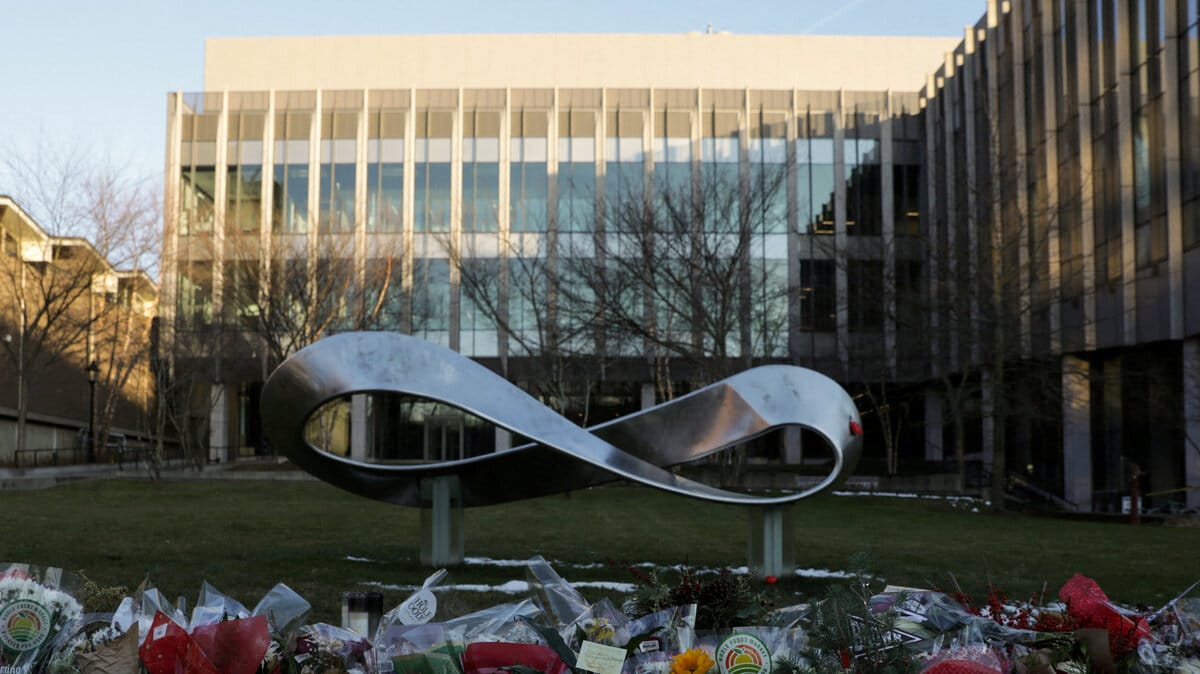
The gunman who killed two Brown University students and wounded nine others in December began planning his deadly rampage in 2022, driven by what FBI investigators call an "accumulation of grievances" stemming from personal failures. Claudio Manuel Neves Valente, a 48-year-old Portuguese national, targeted the Ivy League campus and a Massachusetts Institute of Technology professor in what authorities now describe as symbolic attacks against those he blamed for his life's disappointments.
FBI Boston division officials closed a major portion of their investigation Wednesday, revealing that Neves Valente confessed to the attacks in videos and audio recordings made after the shootings. He expressed no remorse. The gunman also killed MIT professor Nuno Loureiro at his home outside Boston on December 15, before taking his own life at a New Hampshire storage facility on December 18 following a three-day manhunt.
Neves Valente attended Brown two decades ago after completing physics studies at Instituto Superior Tecnico in Portugal alongside Loureiro. He withdrew from Brown in 2001 and left the United States, only to return as a lawful permanent resident in 2017 while living in Florida. By the time of the attacks, he was unemployed and isolated. "The FBI said the gunman lacked family or friends, who could have seen warning signs and alerted law enforcement," investigators noted.
The agency determined Neves Valente's victims were "symbolic in nature," with Brown University and Loureiro representing "his personal failures and injustices he perceived were inflicted by others over time." Federal investigators found his "inflated sense of self contributed to interpersonal conflicts in his life and led him to believe he was being treated unjustly." As his failures mounted, authorities said his paranoia increased, leaving him "mentally unwell and committed to dying."
The case highlights critical gaps in threat detection systems that protect American campuses. Unlike other recent campus violence cases, including those involving AI-assisted planning, Neves Valente acted entirely alone over a two-year period without triggering any warning systems. His legal immigration status and lack of prior criminal history allowed him to move freely between states while plotting the attacks.
The FBI's findings raise questions about screening processes for both international students and permanent residents, particularly those with histories of academic failure or social isolation. Campus security experts note that Neves Valente's case represents a new category of threat — former students returning after decades with carefully planned grievances against their alma mater.
University officials will likely face pressure to enhance threat assessment programs and early warning systems, particularly for tracking individuals with historical connections to campus who exhibit signs of escalating grievances against the institution.