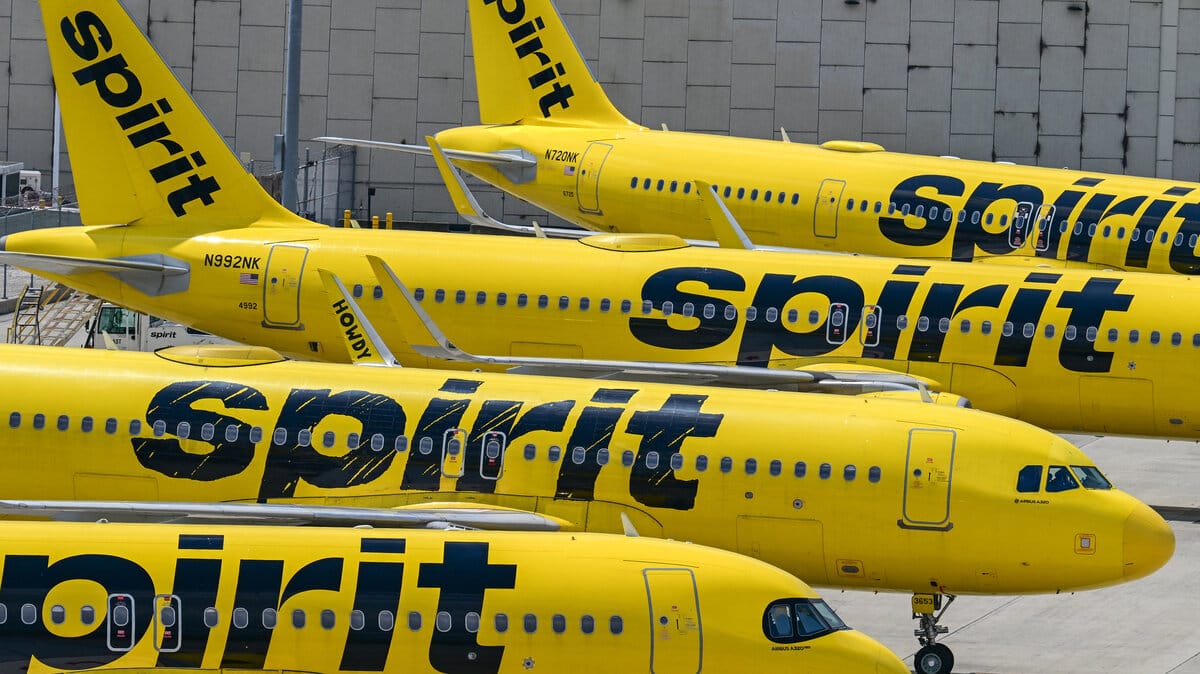
Spirit Airlines abruptly shut down operations Saturday, stranding passengers across the country and triggering a fierce political battle over who killed the discount carrier that served millions of cost-conscious travelers.
Transportation Secretary Sean Duffy delivered the brutal news at a Saturday press conference: "If you have a flight scheduled with Spirit Airlines, don't show up at the airport; there will be no one here to assist you." The Florida-based carrier ceased all flights without warning, leaving passengers scrambling for alternatives and employees without jobs.
Political Blame Game Erupts
Republicans immediately blamed the Biden administration's decision to block JetBlue's proposed merger with Spirit, arguing the regulatory interference destroyed the airline's path to financial stability. Democrats fired back, pointing to surging fuel prices driven by the ongoing Iran conflict as the primary culprit behind Spirit's collapse.
The shutdown exposes how government interference in airline mergers can backfire on consumers. Spirit's ultra-low-cost model provided budget options for Americans who couldn't afford traditional carriers — exactly the competition regulators claimed to protect by blocking the JetBlue deal.
If you have a flight scheduled with Spirit Airlines, don't show up at the airport; there will be no one here to assist you.
Duffy announced emergency measures to help stranded passengers, including expedited refund processes and discounted fares on competing airlines. But those alternatives will cost significantly more than Spirit's rock-bottom prices, hitting working families hardest.
The Iran conflict's impact on fuel costs added pressure to Spirit's already thin margins. As Insider Wire previously reported, energy market volatility has rippled through multiple sectors of the economy, with airlines particularly vulnerable to oil price swings.
Regulatory Questions Mount
Spirit's demise raises hard questions about antitrust enforcement in the airline industry. The Biden Justice Department blocked JetBlue's merger bid to preserve competition, but that decision may have ultimately eliminated Spirit entirely — reducing consumer choice and competition more than any merger would have.
The collapse leaves a massive hole in the budget travel market. Spirit carried over 30 million passengers annually, primarily serving price-sensitive travelers who now face significantly higher airfares on remaining carriers.
Government officials worked through the weekend to coordinate with other airlines on emergency capacity, but industry experts warn it could take months to absorb Spirit's route network and passenger volume.
The political fallout will likely intensify as both parties use Spirit's failure to attack their opponents' economic policies. Republicans have fresh ammunition against regulatory overreach, while Democrats can point to geopolitical instability driving business costs higher.
Watch for congressional hearings on the merger decision and calls for airline industry relief as fuel prices remain elevated by Middle East tensions.