The Senate will confirm Kevin Warsh as Federal Reserve chair this week, installing Trump's pick to lead the nation's central bank after a contentious battle over the institution's independence. Warsh will replace Jerome Powell, who faced a criminal investigation from the Trump administration over budget overruns.
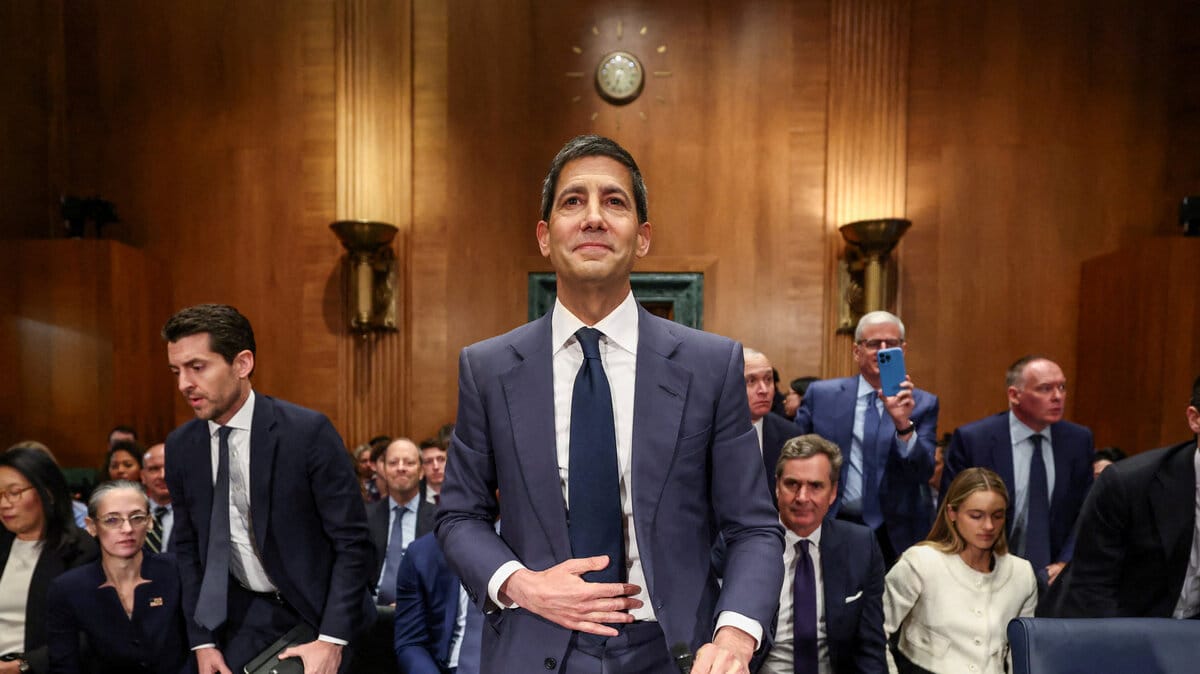
The confirmation vote, scheduled for Thursday afternoon, will split along party lines with Republicans holding a narrow 53-47 majority. Democrats attacked Warsh as Trump's "sock puppet" during hearings on April 21 on Capitol Hill, pointing to his dramatic shift from inflation hawk to Trump ally. Republicans defended his 15 years of financial experience and previous Fed service from 2006 to 2011, arguing his Stanford economics background and Goldman Sachs tenure prepare him for the role.
From Wall Street to Central Banking
Warsh built his reputation as an inflation hawk during the 2008 recession, advocating higher interest rates to combat rising prices even as unemployment soared above 10 percent. His dissenting votes against quantitative easing programs put him at odds with then-chair Ben Bernanke, earning respect among conservative economists who viewed stimulus measures as reckless money printing.
But since Trump's second term began in January, Warsh aligned himself with the president's view that rates are too high and hurt American workers. In a Wall Street Journal op-ed last November, he called Fed leadership "broken" and described the bank as "an institution whose reach has extended far beyond its grasp." The reversal mirrors Trump's own evolution from Fed critic to rate-cut advocate as political circumstances changed.
During three days of Senate Banking Committee hearings, Warsh promised to be an "independent actor" as Fed chair but refused to answer whether Trump lost the 2020 election when pressed by ranking member Sherrod Brown of Ohio. His confirmation comes as Trump wages an unprecedented assault on Fed independence through legal pressure and public attacks on career staff.
Powell's Turbulent Exit
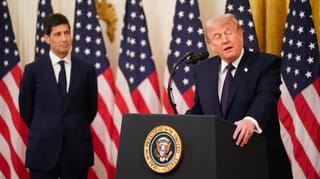
Trump's battle with the Fed escalated into a criminal investigation against Powell over headquarters renovations that went $200 million over budget. The Justice Department probe, launched in February at Trump's urging, examined whether Powell misled Congress about construction costs for the Federal Reserve building on Constitution Avenue. Trump accused Powell of fraud in a series of Truth Social posts, calling him "the most overrated Fed chair in history."
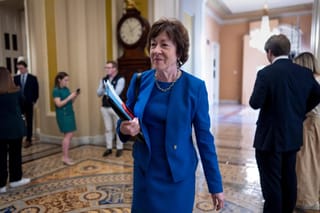
The investigation ended abruptly last month after Senator Susan Collins of Maine threatened to block Warsh's nomination unless the probe concluded. Justice Department officials found no evidence of criminal wrongdoing, according to sources familiar with the matter who spoke on condition of anonymity.
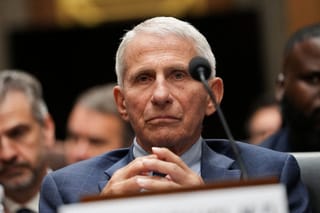
Powell announced he will remain on the Fed's seven-member board as a governor until any inquiry into the renovations concludes with "transparency and finality." In his final press conference as chair on Monday, Powell said he would "take [Warsh] at his word" about withstanding political pressure, while warning about risks to Fed independence. The unusual arrangement means Powell will continue voting on interest rate decisions under his successor's leadership.
Historical Context and Stakes
Trump's pressure campaign against the Fed breaks decades of bipartisan tradition respecting central bank autonomy. Previous presidents from both parties avoided direct interference with Fed operations, understanding that perceived political influence could undermine dollar credibility and complicate international monetary policy. The last comparable episode occurred during the 1970s, when President Nixon pressured Fed chair Arthur Burns to keep rates low before the 1972 election, contributing to runaway inflation.
Warsh takes control of the world's most influential central bank at a delicate moment. Inflation has cooled to 3.2 percent from pandemic highs above 9 percent, but remains above the Fed's 2 percent target. The current federal funds rate sits at 4.75 percent after a series of increases designed to slow economic growth and reduce price pressures.
What Comes Next
Warsh's first Federal Open Market Committee meeting as chair is scheduled for June 17-18, where he will face immediate pressure to cut interest rates. Trump has publicly called for a full percentage point reduction to boost housing markets and business investment ahead of the 2028 election cycle. Financial markets will scrutinize Warsh's initial policy statements for signs he will bow to presidential demands or maintain the Fed's data-driven approach to monetary policy. His credibility with international counterparts and bond investors hangs in the balance.