Senate GOP Stands Firm Behind Trump's Iran War Powers Despite Democrat Push
Senate Republicans reject Democratic attempts to limit Trump's Iran war authority as energy prices rise and pressure mounts for congressional oversight.
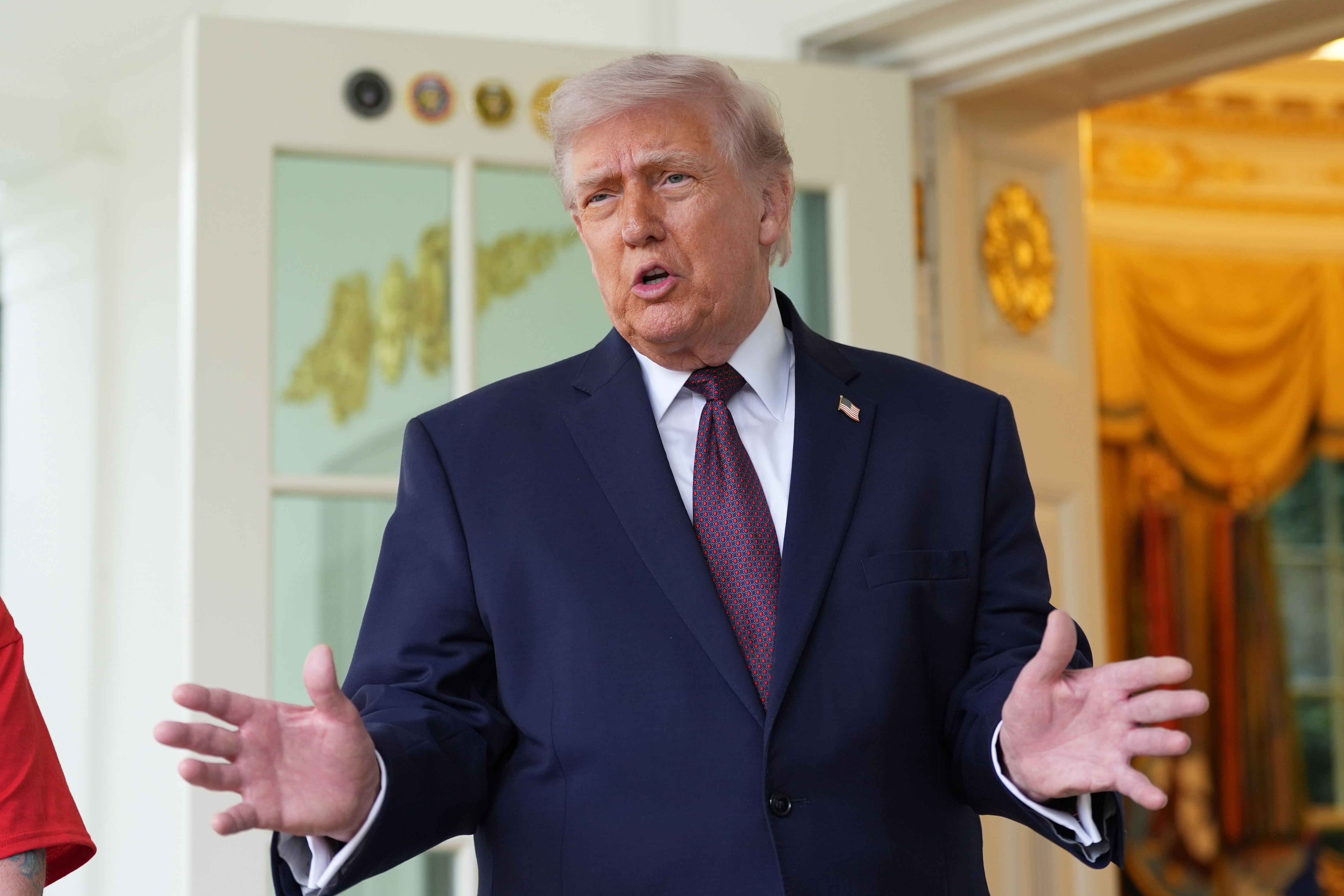
Senate Republicans are holding the line against Democratic efforts to strip President Trump's war powers in Iran, even as rising energy prices fuel opposition pressure on Capitol Hill. GOP senators dismissed Democratic complaints about the Iran military campaign as politically motivated interference with commander-in-chief authority.
The Republican unity comes as oil prices hit $100 following the collapse of peace negotiations and Trump's renewed threats of a naval blockade. Democrats seized on economic concerns to push new limits on presidential war-making, calling the GOP position "exhausting" for American families facing higher gas prices.
"The President has constitutional authority as commander-in-chief, and we're not going to tie his hands while Iran threatens American interests," one senior Republican senator told reporters. The GOP caucus views Democratic war powers resolutions as an attempt to micromanage military operations from Congress.
Trump's Iran strategy has created political divisions that cut across traditional party lines. House Speaker Johnson broke with Trump earlier, arguing the Iran conflict isn't won until the regime is "defanged." Yet Senate Republicans remain unified behind the President's approach.
The energy price surge gives Democrats their strongest political argument against continued military action. Rising fuel costs hit American consumers directly, creating pressure for diplomatic solutions over military confrontation. Republicans counter that Iranian aggression, not American responses, drives market volatility.
Democrats face their own internal tensions on Iran policy. Some progressive members want immediate withdrawal from the region, while moderate Democrats seek middle-ground approaches that maintain pressure on Iran without escalating military action. The party's war powers push represents an attempt to find unity around congressional oversight.
The standoff reflects broader constitutional tensions over war powers that have persisted across multiple administrations. Democrats argue Congress must authorize extended military campaigns, while Republicans maintain the President needs flexibility to respond to rapidly changing threats in the Persian Gulf.
Senate Majority Leader Chuck Schumer plans floor votes on war powers measures next week, setting up a direct test of Republican unity behind Trump's Iran policy amid mounting economic and political pressure.