Oil Hits $100 as Iran Peace Talks Collapse, Trump Threatens Blockade
Oil prices surged above $100 per barrel Sunday after U.S.-Iran peace negotiations failed and Trump threatened new blockade measures against Tehran.
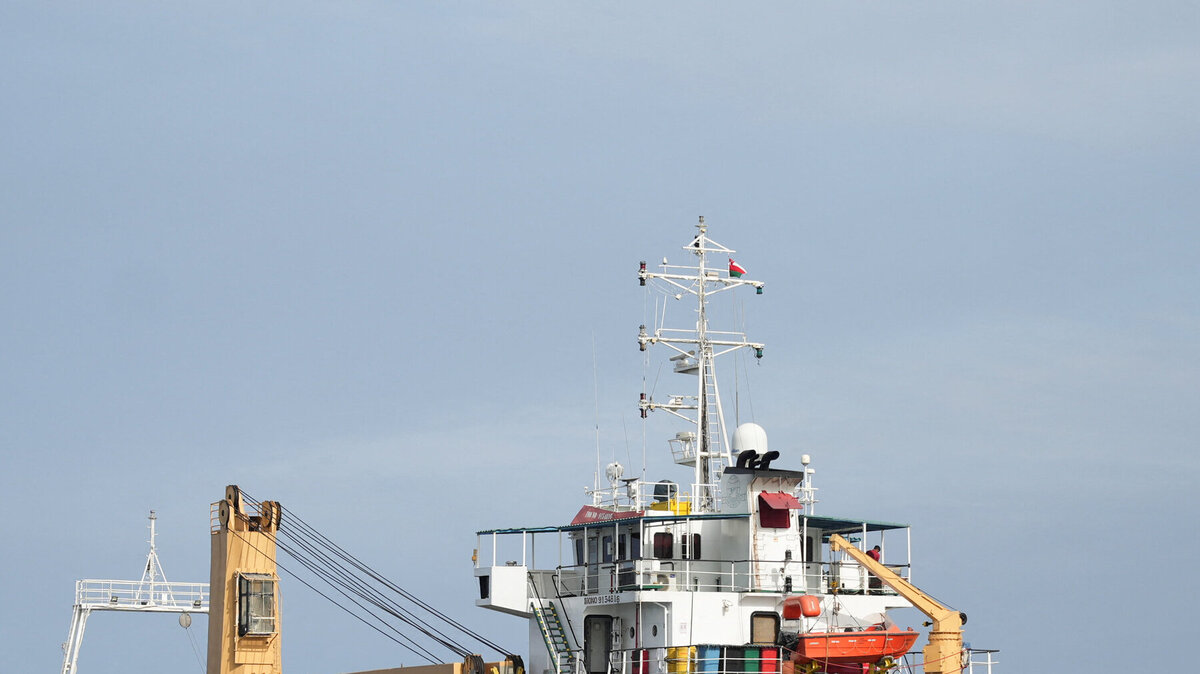
Oil prices broke through $100 per barrel Sunday as markets reopened following the collapse of U.S.-Iran peace negotiations and renewed threats from President Trump to impose a naval blockade on Iranian energy exports.
The price surge marks the highest oil has traded since the current Middle East crisis began, driven by investor fears that diplomatic failure will lead to renewed military confrontation in the Persian Gulf. Brent crude jumped 8% in early Asian trading, while West Texas Intermediate climbed above the psychologically important $100 threshold for the first time in months.
The failed talks, as Insider Wire previously reported, ended after 21 hours of negotiations in Pakistan with no agreement on Iran's nuclear program or regional military activities. Vice President Vance called the outcome "bad news for Iran" but offered few details on next steps.
Trump quickly escalated tensions Sunday morning, threatening to deploy the Navy to enforce what he called a "complete energy blockade" of Iran if Tehran continues uranium enrichment activities. The president has pitched such measures as beneficial to American oil producers, arguing that reduced Iranian exports would boost U.S. energy revenues.
Energy markets are pricing in significant supply disruption risks, with Iran controlling roughly 10% of global oil production and maintaining the ability to block the Strait of Hormuz chokepoint through which 20% of world petroleum passes. Any military action could remove millions of barrels per day from global markets at a time when strategic reserves remain below historical averages.
The price spike hits American consumers directly through higher gasoline costs, with analysts predicting pump prices could climb toward $4 per gallon nationally if crude oil remains above $100. The timing complicates Trump's domestic agenda, as energy inflation typically weighs on consumer spending and economic growth.
Republican lawmakers have pressed Trump to take decisive action against Iran following the diplomatic failure, arguing that prolonged uncertainty damages both American credibility and global stability. The administration now faces pressure to either negotiate from a position of strength or follow through on military threats that carry significant economic and geopolitical risks.
Markets will watch closely for any signs of Iranian retaliation or further U.S. military positioning in the coming days, with oil traders expecting continued volatility until the standoff reaches resolution.