U.S. Customs Launches $166 Billion Tariff Refund Portal Monday
U.S. Customs begins processing tariff refunds Monday after Supreme Court struck down Trump tariffs, with $127 billion owed to importers who signed up electronically.
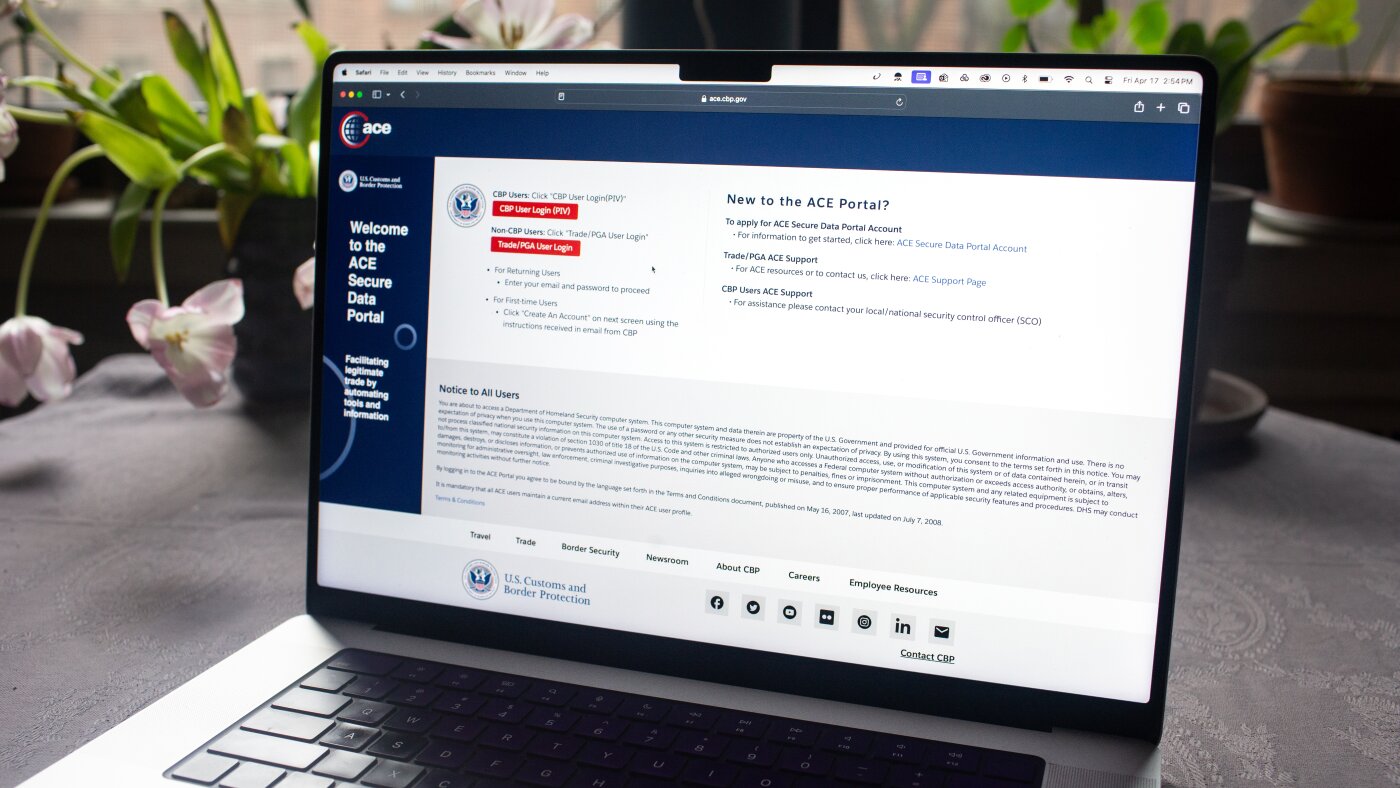
U.S. Customs will begin accepting tariff refund requests Monday from businesses that paid President Trump's tariffs before the Supreme Court ruled them unconstitutional two months ago. The agency estimates it owes $166 billion in total refunds to American importers.
The launch marks the first phase of what could become a massive payout to U.S. businesses. A Customs official told a federal judge Tuesday that the vast majority of eligible importers signed up for electronic payments as required, and that group alone is owed approximately $127 billion.
Approved refund requests will take 60 to 90 days to process once submitted through the new portal, according to federal guidance released this week. Not all goods imported under the struck-down tariffs will immediately qualify for refunds in this initial phase.
"Small businesses organized, spoke out, and won a major victory," said Main Street Alliance, which advocates for U.S. small businesses. "Now, the federal government must follow through with a refund process that truly works for Main Street."
The refunds represent money that flowed from American businesses to Washington over years of trade disputes. But consumers shouldn't expect to see tariff money returned to their wallets, economics and legal experts warn.
Tariff costs became embedded in product pricing in complex ways that make it nearly impossible to trace what shoppers ultimately paid. Manufacturers, suppliers, importers, retailers and consumers all absorbed costs along the supply chain, often during a period of historic inflation when companies avoided price increases to prevent spooking customers.
The complexity creates a dilemma for retailers like Joe Kimray, owner of B & W Hardware in North Carolina. "As a retailer, I didn't pay tariffs directly. However, I did pay them indirectly in the form of higher wholesale prices," Kimray said. Most of his products are made abroad or use imported parts.
Refunds will go directly to whoever paid the actual customs bill—typically importers, not the retailers or consumers who may have absorbed tariff costs through higher prices. It remains unclear whether refunds will trickle down to store owners who paid tariff surcharges to their suppliers.
The Supreme Court's ruling two months ago struck down most of Trump's tariffs as unconstitutional but provided no guidance on refunds. Government officials initially suggested the refund process could prove unwieldy, leaving tens of thousands of businesses waiting for clarity on recovering tariff payments.
Monday's portal launch comes as American businesses prepare for what could be the largest customs refund program in U.S. history, with implications for company balance sheets and the federal budget deficit as billions flow back to private hands.