Netanyahu Faces Voter Revolt: 61% Oppose Iran Ceasefire Deal
Israeli polls show 61% oppose the Iran ceasefire and 73% expect renewed fighting within a year as Netanyahu faces backlash over unfulfilled war promises.
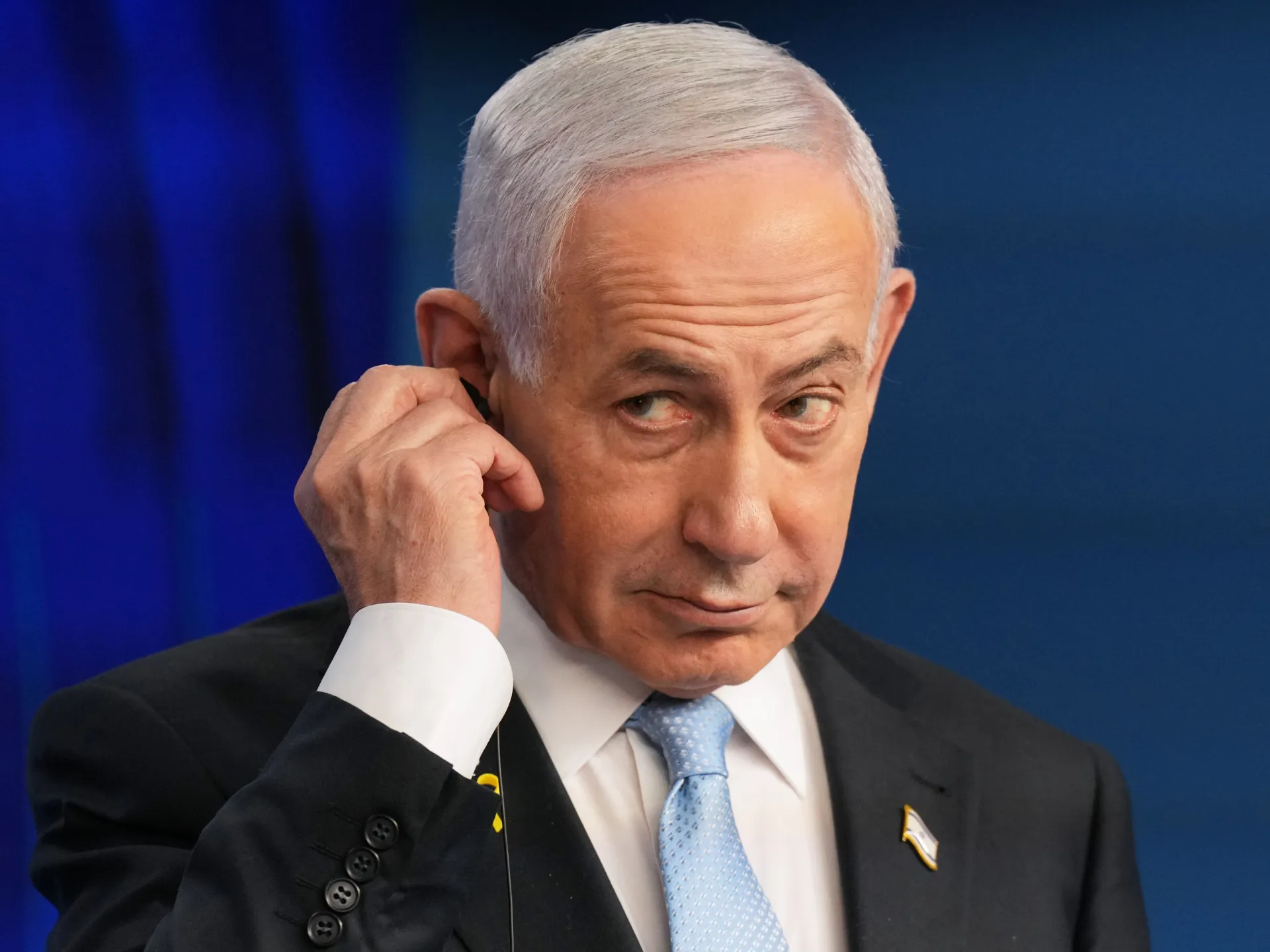
Israeli Prime Minister Benjamin Netanyahu faces a domestic political crisis as 61 percent of Israelis oppose the Iran ceasefire deal negotiated just 90 minutes before President Trump's deadline for devastating attacks on Iranian civilian infrastructure, according to a new poll from the Israeli Institute for National Security Studies.
The survey reveals deep skepticism about the war's outcome. Seventy-three percent of respondents expect fighting with Iran to restart within the next year, while 69 percent support continued military action in Lebanon despite ongoing talks between Lebanese and Israeli governments in Washington.
Netanyahu had promised voters he would eliminate what he called the "existential threat" from Iran. But the February 28 joint U.S.-Israeli war failed to deliver regime collapse or the complete destruction of Iran's nuclear program and ballistic missile arsenal. Tehran's strategic reach may have actually widened, particularly through its continued control of the economically vital Strait of Hormuz, following the two-week ceasefire Trump announced.
"He [Netanyahu] did oversell how much the war could accomplish: regime collapse and completely destroying the nuclear program and ballistic missiles, which couldn't be accomplished," said Dahlia Scheindlin, an American-Israeli political consultant and pollster who has tracked Israeli opinion throughout the conflict.
The political damage stems partly from Netanyahu's decades-long opposition to any negotiations with Iran. He had "completely destroyed and delegitimised the idea that diplomacy and agreements – negotiated agreements – would have any impact," Scheindlin explained, referring to his previous characterization of U.S.-Iran talks as an existential threat to Israel.
Opposition leader Yair Lapid, who initially supported what he called a "just war against evil," now attacks the ceasefire as capitulation. "[Netanyahu] has turned us into a protectorate state that receives instructions over the phone on matters pertaining" to national security, Lapid told reporters.
Israel has continued attacking Lebanon despite the ceasefire framework, killing more than 300 people in the past week alone. Israeli officials claim Lebanon was excluded from the Iran ceasefire terms, though the strikes have drawn widespread international condemnation.
For American taxpayers and strategic planners, Netanyahu's domestic troubles raise questions about the reliability of the U.S.-Israeli partnership. The war cost has spiraled while Iran's ballistic missile capabilities remain partly intact. Tehran's continued grip on the Strait of Hormuz—a chokepoint for 20 percent of global oil supplies—demonstrates the limits of military action without clear political objectives.
The poll results suggest Netanyahu may struggle to maintain public support for any future military operations, potentially constraining U.S. options in the region. With 73 percent of Israelis expecting renewed conflict within twelve months, the current ceasefire appears more like a temporary pause than a lasting resolution.