Iran Oil Blockade Fails to Spike Prices as Markets Bet on Peace Deal
Brent crude falls 4.3% to $95.08 despite US blockade cutting Iran's 1.5M barrel daily exports. Energy markets banking on Trump ceasefire talks succeeding.
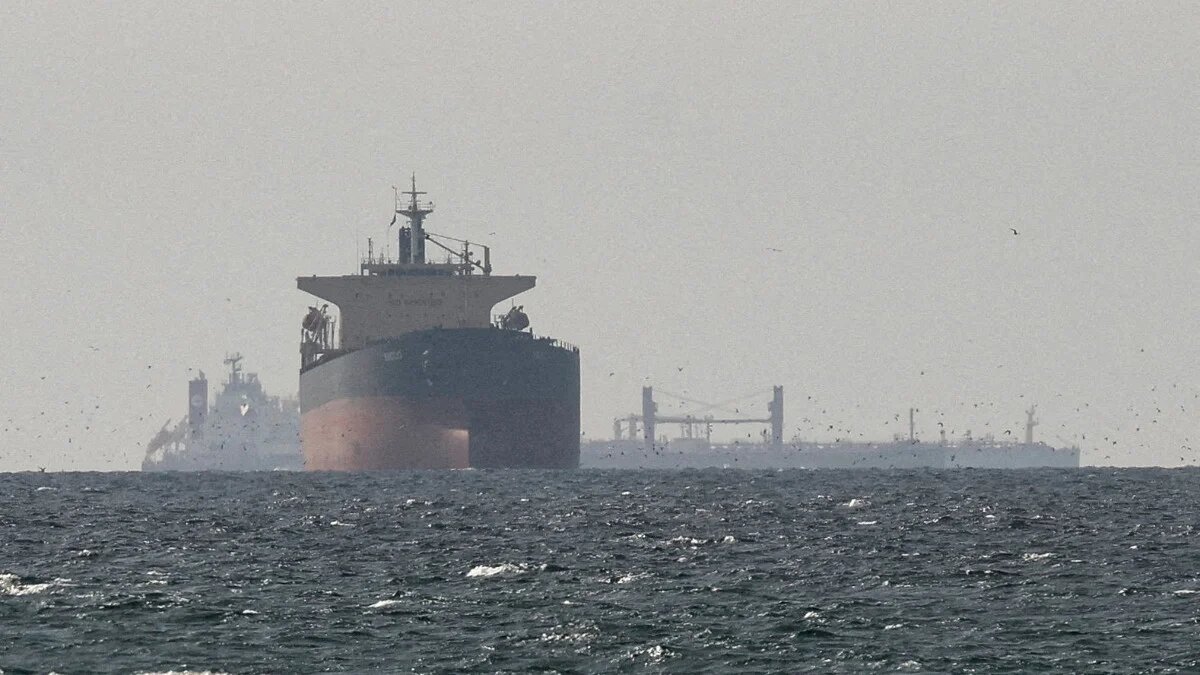
Oil prices dropped 4.3 percent Monday despite a US naval blockade that cut off Iran's 1.5 million barrels per day of crude exports through the Strait of Hormuz. Brent crude traded down to $95.08 per barrel as energy markets bet on successful peace negotiations between Washington and Tehran.
The blockade should have triggered an immediate price spike given Iran's status as the final oil exporter operating through the strategic waterway. Instead, maritime analysts confirmed to Middle East Eye that no ships broke through the US cordon, as Insider Wire previously reported, yet crude prices moved in the opposite direction.
Diplomats and energy analysts say market optimism stems from Trump's two-week ceasefire announcement and ongoing negotiations. The cautious faith in a diplomatic breakthrough is temporarily overriding supply concerns that would normally send oil soaring when 1.5 million barrels disappear overnight.
But experts warn the US blockade represents only a "short-term tool" that could backfire if peace talks collapse. China poses the biggest test to American enforcement, with Beijing capable of challenging the naval cordon through military escort operations or sanctions-busting tanker fleets.
The price dynamics reveal a high-stakes gamble by energy traders. They're betting Trump can deliver a deal that reopens Iranian oil flows within weeks. If negotiations fail and the blockade extends indefinitely, the delayed price shock could be more severe than an immediate spike.
For American consumers, the temporary price relief offers breathing room at gas pumps while Trump pursues diplomacy. But energy security remains precarious with Iranian barrels offline and global spare capacity already stretched thin from previous supply disruptions.
The next two weeks will determine whether markets called this right. If ceasefire talks break down, oil traders may face a harsh reckoning as 1.5 million barrels of daily supply remain blocked and prices catch up to supply fundamentals.