Fed Nominee Warsh Defends Independence Under Senate Fire Tuesday
Kevin Warsh, Trump's Federal Reserve pick, faced Senate grilling over central bank independence and asset divestiture plans during confirmation hearing.
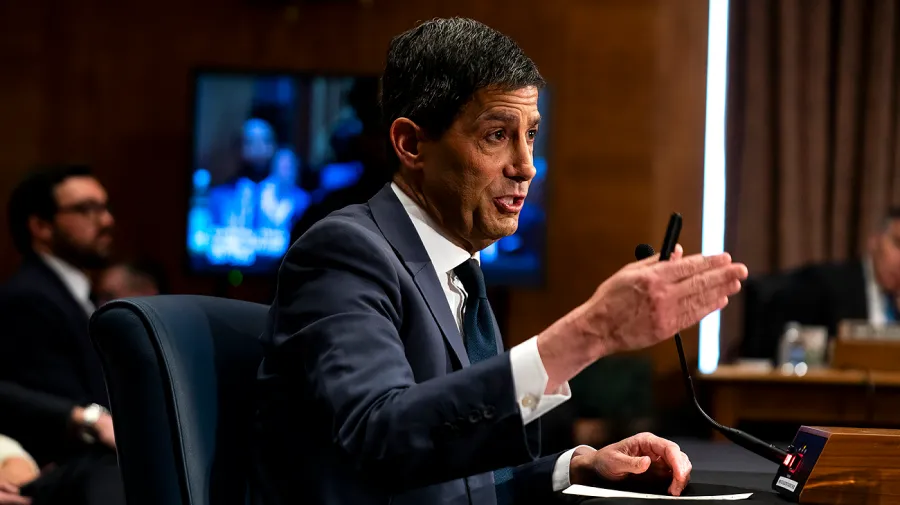
Kevin Warsh, President Trump's nominee to lead the Federal Reserve, defended the central bank's independence during a heated Senate confirmation hearing Tuesday, telling lawmakers that "independence is up to the Fed" as Democrats pressed him on potential political interference.
The former Fed governor faced sharp questioning over his financial holdings and plans to divest assets that could create conflicts of interest. Senators demanded specifics on his timeline for selling investments and establishing blind trusts before taking control of the nation's monetary policy.
Warsh's confirmation hearing comes as Trump seeks to replace Jerome Powell, whose term expires later this year. The president has repeatedly criticized Powell's interest rate decisions, raising concerns among lawmakers about whether Trump's pick would resist political pressure from the White House.
Democrats on the Banking Committee grilled Warsh about his previous statements on Fed policy and whether he would commit to making decisions based solely on economic data rather than political considerations. Republicans focused on his qualifications and experience during his previous tenure at the Fed from 2006 to 2011.
The confirmation battle carries major implications for American consumers and the broader economy. The Fed chair controls interest rates that affect mortgages, credit cards, and business loans for millions of Americans. Any perception that the central bank has lost its independence could spook financial markets and undermine confidence in U.S. monetary policy.
Warsh served as the youngest Fed governor in history during the 2008 financial crisis, giving him crisis management experience that supporters say qualifies him for the top job. Critics point to his Wall Street background and question whether he would prioritize Main Street over financial markets.
The Senate Banking Committee must vote on Warsh's nomination before it advances to the full Senate floor. Democrats appear united in opposition, meaning Republicans cannot afford any defections if they want to confirm Trump's choice to lead the world's most powerful central bank.
The committee is expected to schedule a vote within the next two weeks, setting up a potential floor fight before Powell's term expires in May.