American Pope Leo XIV Challenges Trump on Iran War, Immigration
Pope Leo XIV, the first American pontiff, has emerged as vocal critic of Trump's Iran war and deportation policies, inspiring U.S. cardinals to speak out.
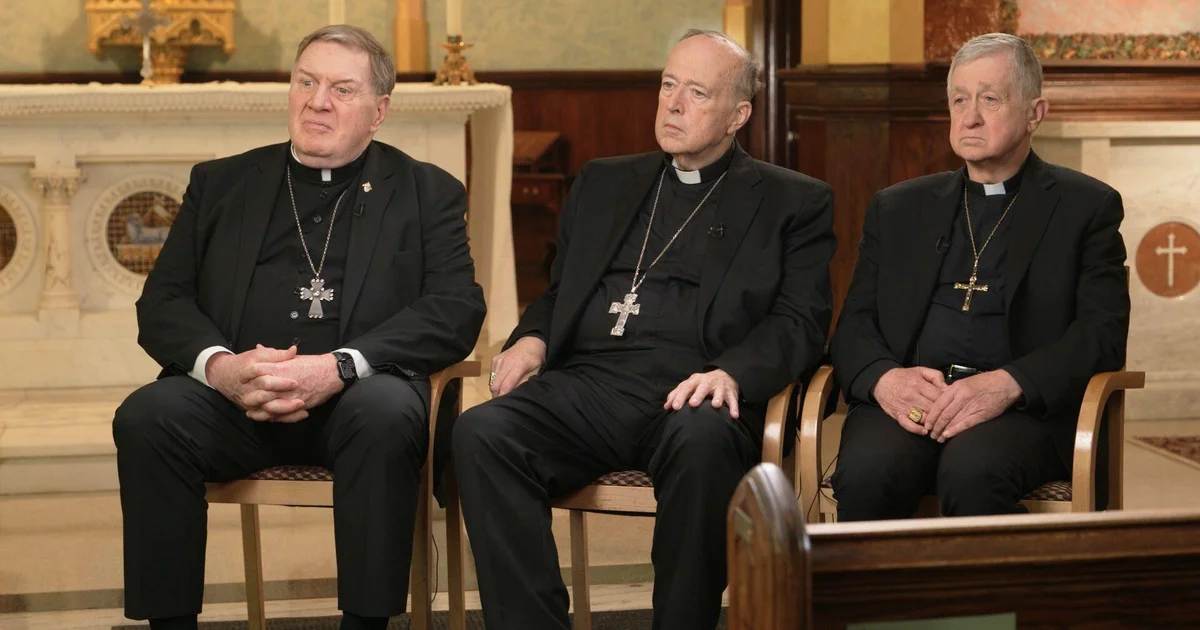
Pope Leo XIV has positioned himself as a direct critic of President Trump's foreign and domestic policies, marking the first time an American-born pope has challenged a sitting U.S. president on key national security issues. The 70-year-old pontiff, born Robert Prevost in Chicago, spoke against both the Iran war and mass deportations before Trump announced the Iran ceasefire this week.
Leo's criticism began in January with a speech condemning U.S. military action in Venezuela. The Pentagon subsequently called in the Vatican's U.S. ambassador for what two church officials described as an "unpleasant and contentious" meeting, though both sides later characterized it as routine.
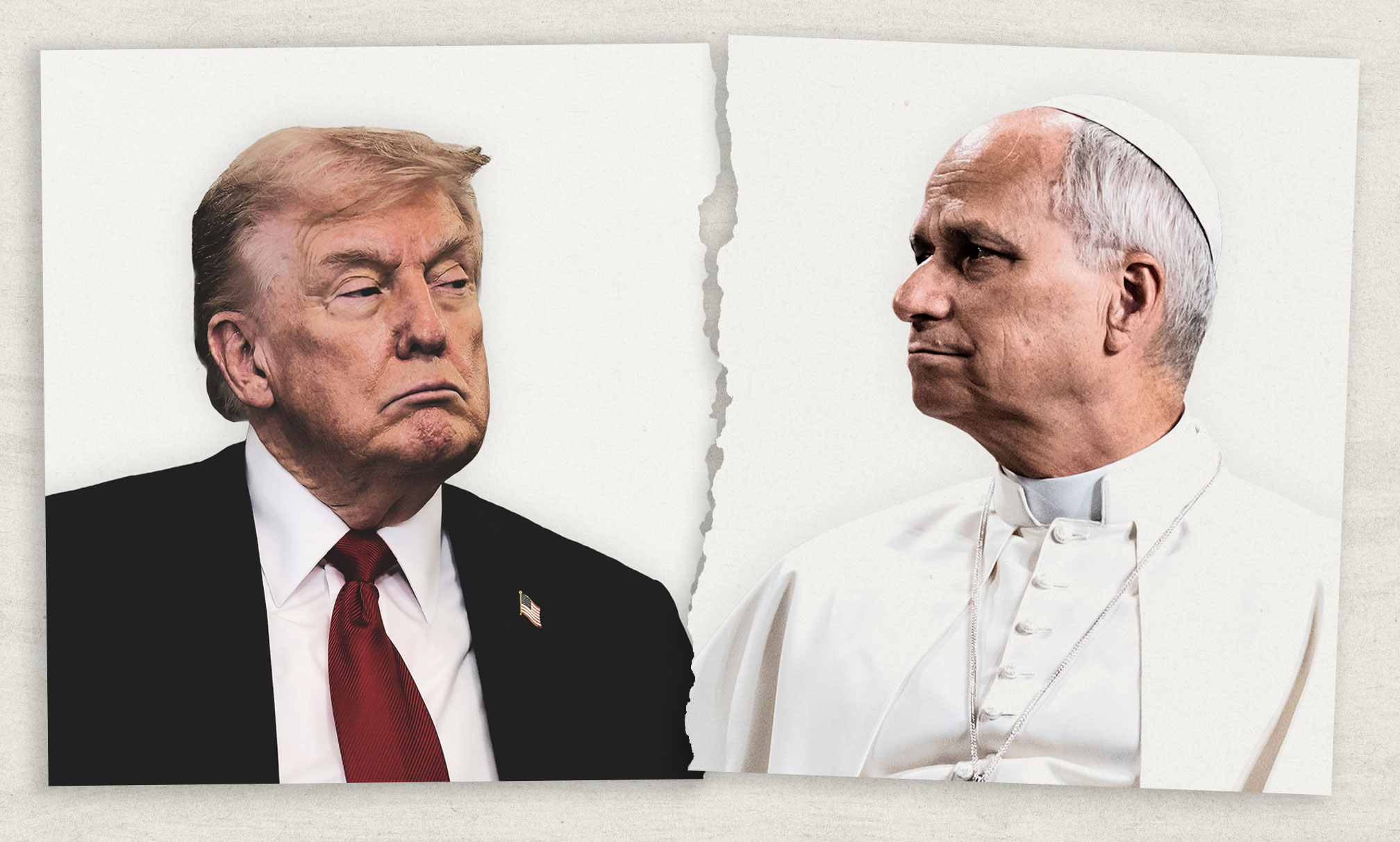
Three American cardinals told CBS News they support the pope's increasingly vocal stance. Cardinals Joseph Tobin of Newark, Blase Cupich of Chicago, and Robert McElroy of Washington D.C. — the only three American cardinals actively serving dioceses — defended Leo's right to speak on moral issues affecting global peace.
"He's the pastor of the world. He's not a pundit," Cardinal Tobin explained. "So the distinction is he's not going to pronounce on everything. But he's going to pronounce on what's important." The cardinals said they hear "anxieties of people about the threats to peace at all different levels" from parishioners in their dioceses.
When asked directly about Middle East peace in March, Pope Leo told CBS: "I am praying for peace, I hope that ceasefire would be the most effective way to work together to find peace for all parties, to respect all parties and to come to a solution, which is too many years, and you know, creating problems for everyone."
The pope's criticism extends beyond foreign policy to Trump's immigration enforcement. Leo has spoken against mass deportations, putting him at odds with an administration policy that enjoys broad Republican support. His stance carries weight among the 53 million American Catholics who make up the largest Christian denomination in the United States.
Cardinal Cupich noted the historic nature of having an American pope, saying Chicago can now claim it "produced a pope." But Leo's willingness to challenge American policy creates an unusual dynamic where a former Chicagoan leads global Catholic opposition to his home country's government.
The pope's intervention comes as Trump faces pressure from both directions on Iran policy — some Republicans want him to "finish the job" militarily while others push for diplomatic solutions. Leo's moral authority as the first American pope adds a new voice to that debate, one that carries influence with Catholic voters across swing states.
Watch whether Leo escalates his criticism if the Iran ceasefire collapses or if immigration enforcement intensifies. His willingness to challenge Trump directly signals the Vatican may play a more active role in opposing American foreign policy than any pope has attempted in decades.