Trump Says Iran Ceasefire 'Highly Unlikely' to Extend Past Wednesday
President Trump told Bloomberg Monday he's 'highly unlikely' to extend Iran ceasefire beyond Wednesday evening Washington time without a peace deal.
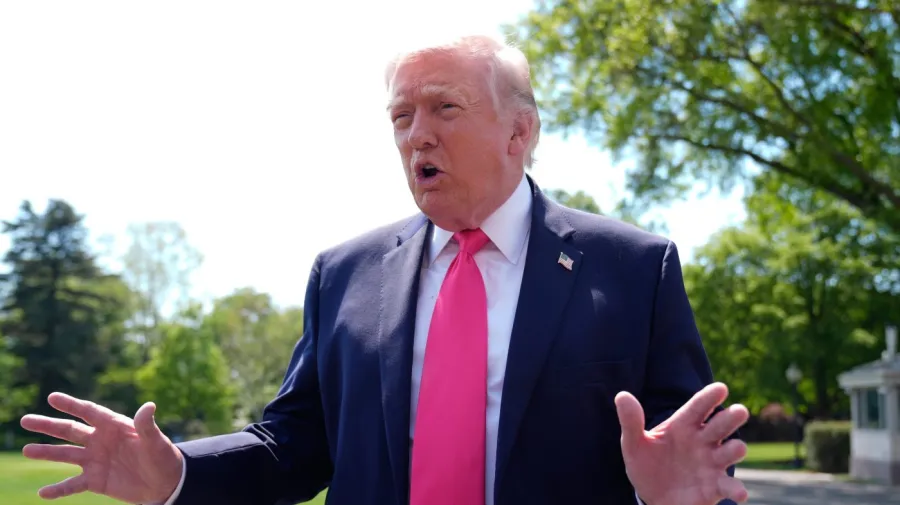
President Trump told Bloomberg Monday he is "highly unlikely" to extend the Iran ceasefire if Wednesday evening arrives without a comprehensive peace agreement. The truce ends "Wednesday evening Washington time," Trump said during a phone interview with White House correspondent Jeff Mason.
The stark timeline puts maximum pressure on Iranian negotiators as Trump envoys work in Islamabad to secure a deal. Iran must agree to dismantle its nuclear program and end support for terrorist proxies across the Middle East, or face renewed military action from American forces.
Trump's hardline stance reflects growing frustration with Tehran's mixed signals during the temporary truce. While Iranian officials have engaged in diplomatic talks, the regime continues blocking Strait of Hormuz traffic and maintaining its uranium enrichment capabilities.
The Wednesday deadline creates a critical 48-hour window for American diplomats to extract concrete concessions from Iran. Energy markets are already pricing in potential renewed conflict, with oil futures climbing on supply disruption fears. A return to hostilities would immediately threaten the flow of 20% of global oil through the strategic waterway.
For American taxpayers, the stakes are enormous. Military operations in the Persian Gulf cost billions weekly, while extended conflict would drive gas prices higher and strain defense resources already stretched across multiple global commitments. Trump's all-or-nothing approach aims to resolve the Iran crisis definitively rather than kick the can down the road.
Iranian leadership faces an impossible choice: accept Trump's demands to surrender their nuclear ambitions and regional influence, or risk devastating military retaliation that could cripple their economy and military infrastructure. The regime's survival instincts suggest they may capitulate at the last moment, but hardliners within Iran's Revolutionary Guard could torpedo any agreement.
Intelligence sources indicate Iran's leadership remains divided on whether to accept American terms. Supreme Leader Khamenei faces internal pressure from both pragmatists who fear military destruction and hardliners who view compromise as national humiliation.
Wednesday evening will determine whether Trump's maximum pressure campaign succeeds in forcing Iranian capitulation or triggers a wider Middle East conflict that could reshape regional power dynamics for decades.
This is a developing story and will be updated.